- Zimbabwe now allows lithium exports only under strict new rules.
- Mining companies must invest in local processing plants to keep exporting.
- Government aims to keep more value from lithium inside the country.
ZIMBABWE will allow lithium exports to resume only under strict new conditions that force mining companies to invest in local processing, as the government tightens control over the fast-growing sector.
The move follows a February 2026 ban on exports of lithium concentrates and other raw minerals, introduced after authorities cited “malpractices and leakages” in the system.
The Ministry of Mines said the suspension was part of efforts to improve oversight and ensure more value is retained in the country.
“Government expects cooperation of the mining industry on this measure which has been taken in the national interest,” the ministry said at the time.
The ban disrupted shipments and forced producers to halt exports while the government reviewed its export framework.
Under the new policy, exports will resume through a quota system and only for companies that meet strict requirements.
These include publishing annual financial statements and complying with labour, safety and environmental standards.
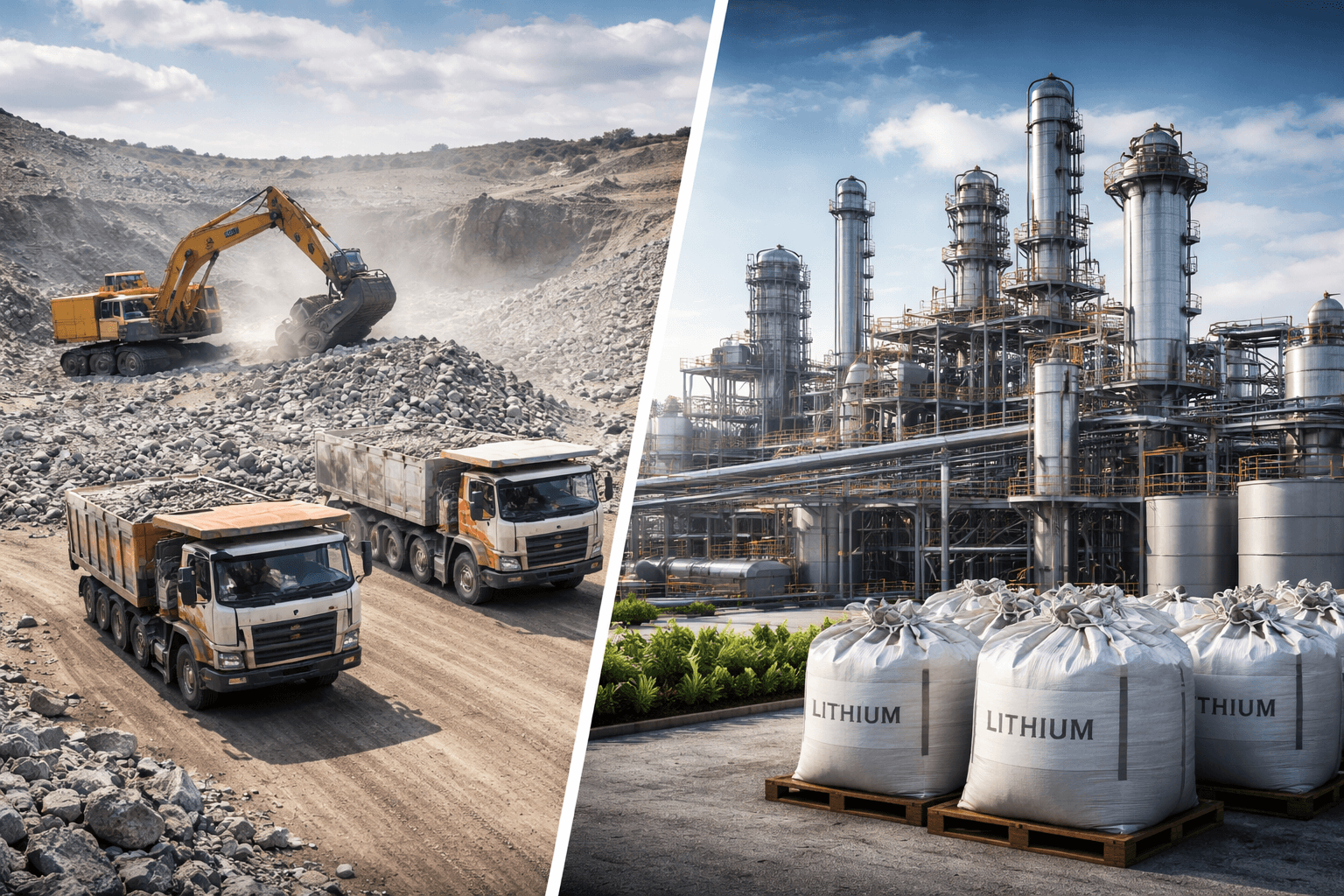
Companies must also submit written commitments with clear timelines to build lithium sulphate processing plants in Zimbabwe.
“Approved lithium concentrate export quotas will be communicated to each producer,” the ministry said in a letter to industry seen by Reuters.
A 10% export tax on lithium concentrate shipments will remain in place until a full ban takes effect in January 2027.
Zimbabwe had already planned to ban lithium concentrate exports from 2027 as part of a wider push for local value addition.
The February suspension accelerated that timeline and signalled a tougher stance on compliance.
The country is Africa’s top producer of lithium and a key supplier to China’s battery industry.
In 2025, Zimbabwe exported about 1.128 million tonnes of lithium-bearing spodumene concentrate, most of it sent to China for further processing.
Those exports accounted for about 15% of China’s lithium concentrate imports.
Officials say this model leaves much of the value outside the country.
The government has repeatedly stressed the need for “in-country value addition and beneficiation” in mineral exports.
Lithium sulphate is a key focus because it is an intermediate product used to make battery-grade chemicals such as lithium hydroxide and lithium carbonate.
Producing it locally would allow Zimbabwe to move up the value chain before exporting.
Major mining companies operating in Zimbabwe have already started investing in processing facilities.
China’s Zhejiang Huayou Cobalt has built a $400 million lithium sulphate plant at the Arcadia mine near Harare.
Sinomine has announced plans for a $500 million plant at its Bikita mine.
Other firms, including Chengxin Lithium Group and Yahua, are also active in the sector and are expected to follow similar paths.
These investments are central to Zimbabwe’s strategy to shift from exporting raw materials to producing higher-value products.
However, the policy comes with risks.
Zimbabwe still faces power shortages and infrastructure gaps, which could affect the rollout of energy-intensive processing plants.
Mining companies have previously flagged “fragile power supply” and high operating costs as major constraints.
The government has not yet detailed how it will address these constraints at scale.
The February ban was triggered by concerns over how minerals were being exported.
Authorities said there were “continued malpractices during the exportation of minerals” and moved to realign export processes.
The review is aimed at improving transparency and reducing leakages in the system.
At least 13 African countries have introduced export restrictions since 2023 to promote local processing and job creation.
Indonesia has taken a similar approach with nickel, restricting raw exports to force domestic refining.