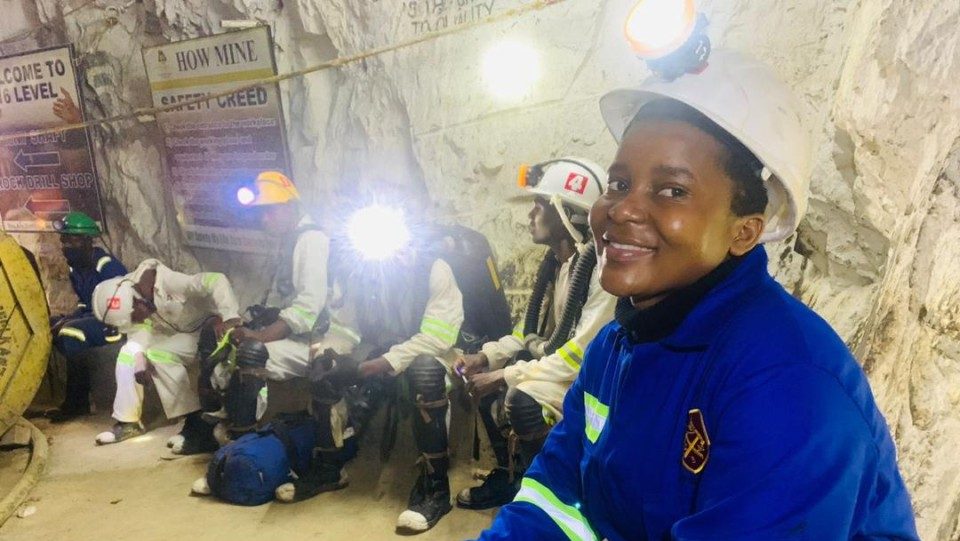
- Zimbabwe School of Mines pushes partnerships to improve women’s participation in mining.
- Institution reports rising female enrolment and training of over 600 women nationwide
- Calls for urgent action to address structural inequalities still limiting women in the sector.
THE ZIMBABWE School of Mines says it is stepping up efforts to improve women’s participation in the mining sector through training and partnerships.
The school made the remarks during a public lecture held with the Women’s University in Africa focusing on gender equality in mining.
Sithembile Sibanda, finance manager at the school, said women must move beyond visibility to full participation.
“Women and girls must not only be seen and heard, but must also fully enjoy their rights, access justice, and experience real action,” Sibanda said.
She said the sector still reflects long-standing inequalities that limit women’s roles.
“For far too long, the extractive industry has been marked by structural inequalities and exclusion,” she said.
Globally, women account for about 15% of the mining workforce, highlighting persistent gender gaps in the industry.
In artisanal mining, which supports millions of livelihoods, women often face barriers such as limited access to land, finance and equipment.
Sibanda said change requires collective effort across institutions and industry players.
“Meaningful progress in mining requires all of us to give something… and change systems that have historically excluded women,” she said.
The Zimbabwe School of Mines said it has increased female enrolment to more than 35% in recent years.
The institution, established in 1926, trains mining professionals for Zimbabwe and the wider region.
It has also trained more than 600 women through short courses over the past decade, including programmes targeting artisanal and small-scale miners.
Outreach initiatives have reached communities in districts such as Bubi, Kadoma and Kwekwe, the school said.
Experts say improving women’s participation in mining can strengthen economic outcomes and community development.
Women make up a significant share of the artisanal mining workforce globally, and their inclusion is seen as key to building more sustainable value chains.
Despite progress, challenges remain, including safety risks, limited access to capital and persistent discrimination in mining environments.