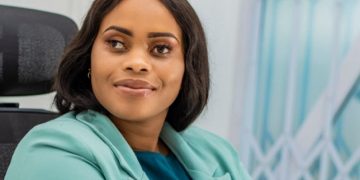

NOMSA Mpofu began her career as a gold panner in rural Gwanda. She later moved through domestic work, modelling training and public sector roles. Today, she leads Miss Mines Zimbabwe, an initiative focused on supporting girls in mining communities while linking the sector with tourism and professional development.
Q: You recently received recognition for your work. How did you react?
A: It was an honour to receive the award. It strengthened our resolve to continue.
For some time, we felt our efforts to support and advance the mining sector were not being recognised. The recognition also extends beyond our team. It reflects the work and resilience of many Zimbabwean mining girls who continue to contribute under difficult conditions.
Q: Can you describe your early experience in mining?
A: I spent about three years gold panning in Gwanda and at Mlowezi in my rural home. I worked alongside other women in a challenging environment, mainly for survival.
During that period, I witnessed the hardships faced by the girl child in mining communities. That experience shaped my decision to step forward and represent those voices.
Q: What led you to transition from mining into modelling and other work?
A: I moved from gold panning to Bulawayo, where I worked in Killarney as a maid. During that time, I interacted with students from the Zimbabwe School of Mines, who encouraged my ideas.
After about six months, I relocated to Harare to pursue modelling training at Top Model Agency in Emerald Hill. I completed training in grooming and deportment before entering professional engagements.
Q: What roles did you take on after your training?
A: I worked with the Zimbabwe Tourism Authority between 2017 and 2019. My work involved coordinating constituency tourism events for Honourable Betty Nhambu Kaseke and supporting presidential tourism initiatives.
These included events such as the Zimbabwe Food and Culture Festival in 2019 and the Zimbabwe National Fabric Launch in 2020.
Q: How did the Miss Mines Zimbabwe initiative begin?
A: The idea grew from my personal experiences and my interest in modelling. I wanted to create a platform that empowers the mining girl child while celebrating their beauty, hard work, and talent.
That led to the establishment of Miss Mines Zimbabwe.
Q: What are the core objectives of Miss Mines Zimbabwe?
A: The initiative focuses on empowerment, visibility, and inclusion. It promotes mining tourism and supports collaboration between sectors.
It also encourages professionalism through corporate etiquette training. It raises awareness around mining business opportunities and includes programmes that support inclusivity for people with disabilities.
We have also presented aspects of our work to the Mines Parliamentary Committee.
Q: How has the initiative influenced the mining sector?
A: It has introduced new ways of linking mining with tourism and branding. We have hosted engagements such as a Mining Tourism Conference at MineEntra in Bulawayo, involving key stakeholders.
The initiative also promotes the idea of models serving as brand ambassadors in mining events. This helps improve presentation, communication, and industry visibility.
Q: What is your perspective on the current state of the mining sector?
A: Zimbabwe is progressing towards improved mining practices, production, and community engagement. However, more attention is needed in corporate social responsibility.
Rising gold prices have increased pressure in some communities. Vulnerable groups, especially the girl child, continue to face challenges that require coordinated support.
Q: What role can mining tourism and corporate etiquette play in the sector?
A: Mining tourism can contribute to economic growth by attracting investment and promoting the country’s resources.
Corporate etiquette helps shape professionalism within the industry. Together, they strengthen the image of the mining sector and support a more structured and recognisable brand.
Q: What advice do you have for young people entering the industry?
A: Discipline and willingness to learn are essential. It is important to listen to guidance and avoid distractions.
Success requires consistency and patience. People should value relationships, treat others with respect, and remain confident while building their path.
Q: How do you manage your work and daily commitments?
A: I follow a structured schedule depending on the number of corporate engagements at the time. Model sessions are usually planned for an hour each day and form part of my routine.
Maintaining rest and personal presentation is important, since professionalism is central to our work.
Q: What skills have been most valuable in your journey?
A: Confidence, business etiquette, presentation, and creativity have played a key role.
Modelling training provides exposure to these areas, and they translate into other aspects of professional and personal development. These skills support both individual growth and broader business objectives.
Q: How do you define modelling in the context of your work?
A: Modelling is both a profession and a tool. It can support economic empowerment, brand marketing, education, and community development.
It also highlights cultural and historical aspects of a country while creating opportunities for individuals who understand its professional and business dimensions.