- IMPACT appoints Martha Munyoro Katsi as communications officer for planetGOLD Zimbabwe.
- The five-year project aims to cut mercury use in small-scale gold mining.
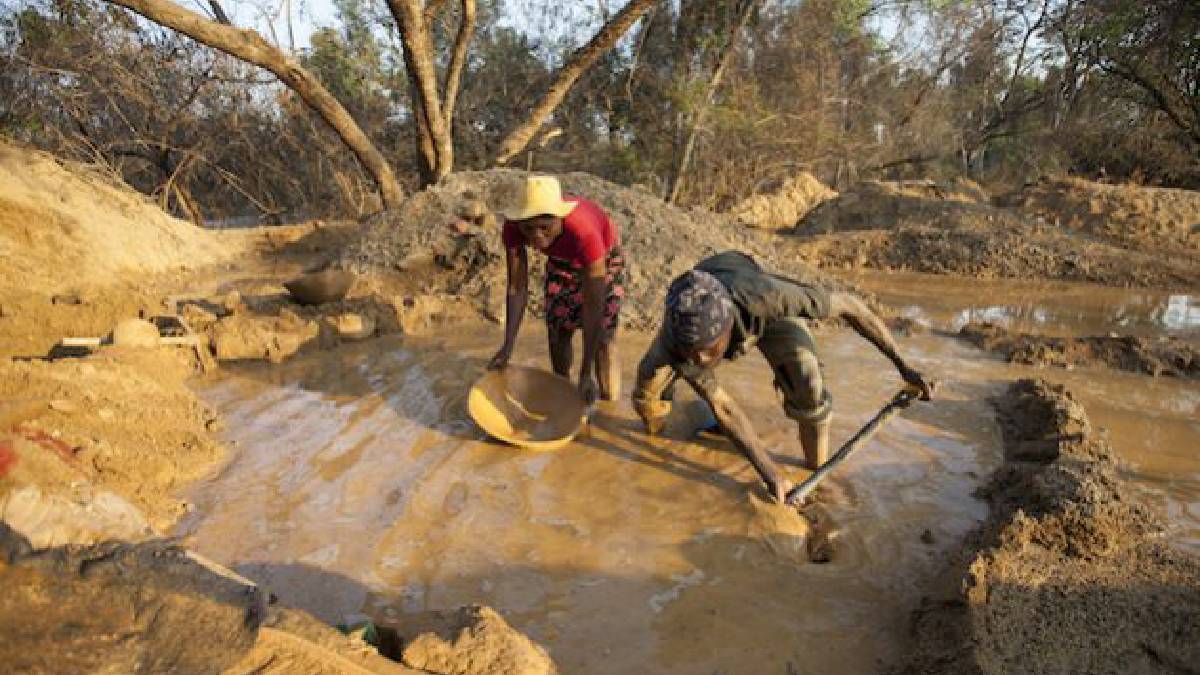
- Initiative targets 7,500 miners across 11 districts with safer mining practices.
THE INTERNATIONAL non‑profit IMPACT has appointed Martha Munyoro Katsi as Communications Officer for the planetGOLD Zimbabwe project, a five‑year initiative to curb mercury use in artisanal and small‑scale gold mining.
IMPACT said that Munyoro Katsi brings a wealth of experience in communications and knowledge management to her new role, where she will be advising on advocacy and stakeholder engagement.
“We look forward to her contributions as we continue working to transform natural resource management in areas where security and human rights are at risk,” the organisation said.
The project is backed by the Global Environment Facility (GEF) and is spearheaded by the United Nations Environment Programme (UNEP), in collaboration with Zimbabwe’s ministries of Environment, Climate and Wildlife, as well as Mines and Mining Development.
It officially started in November 2024 with an inception workshop held in Harare.
Artisanal and small-scale gold mining plays a significant role in Zimbabwe’s economy. Around 96% of processing sites rely on mercury, a hazardous chemical that poses serious health and environmental threats.
The aim of Zimbabwe’s project is to assist 7,500 miners across 11 districts and to cut mercury emissions by 4.85 tonnes over the next five years.
This is in line with the country’s commitments under the Minamata Convention on Mercury.
During the project’s annual stakeholders conference in Harare, Tadeous Chifamba, the permanent secretary for Environment, Climate and Wildlife, emphasised that the initiative goes beyond mere compliance.
“This is not just a compliance exercise; it is a commitment to protecting the health of our miners, our communities and our ecosystems for generations to come,” he said.
Michael Munodawafa, chief engineer at the Ministry of Mines and Mining Development, described planetGOLD Zimbabwe as a key element of the government’s broader strategy for responsible mining.
“The project supports our national goal to formalise and professionalise artisanal and small-scale mining,” he noted.
Community engagement plays a vital role in the project’s efforts.
In a previous session focused on gender and child labour in gold mining, officials from the Women Affairs ministry stressed the importance of implementing safer practices and providing stronger protections for vulnerable groups.
The initiative addresses four major obstacles to cleaner mining: the lack of formal recognition for artisanal miners, limited access to financial resources, low awareness of mercury-free technologies, and inadequate knowledge sharing within the sector.
Zimbabwe’s ratification of the Minamata Convention in 2021 shows its dedication to phasing out mercury in mining, according to officials.
“Through the launch of the planetGOLD project, Zimbabwe moves towards more responsible artisanal gold mining,” said Yann Lebrat, IMPACT’s deputy executive director, at the project’s launch.