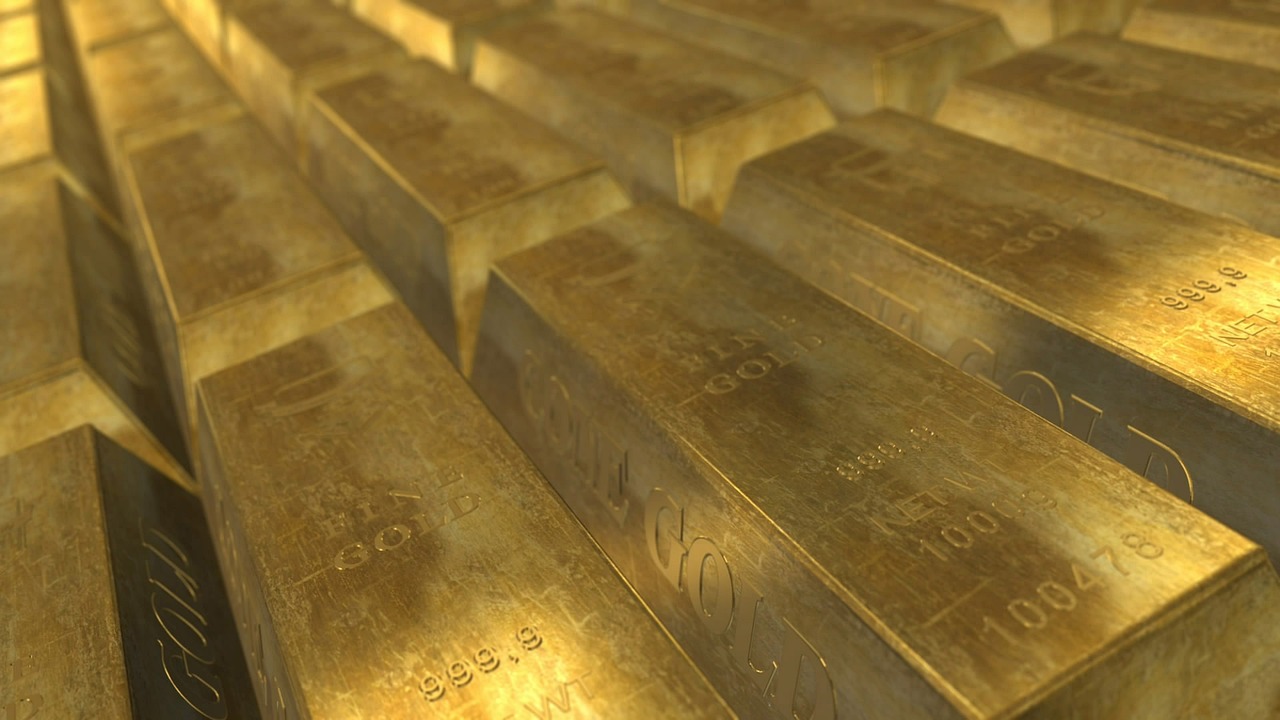
- Gold reserves in Zimbabwe rose from 1.5 to 4 tonnes in two years.
- This growth strengthened the gold-backed ZiG and boosted foreign reserves.
- Mining output and royalties helped support the economy and lower inflation.
GOLD reserves in Zimbabwe have seen a remarkable increase over the last two years, significantly enhancing the support for its gold-linked currency, the Zimbabwe Gold (ZiG), and bolstering foreign currency reserves, according to data from the central bank.
Gold reserves increased from approximately 1.5 tonnes in April 2024 to around 4 tonnes by late 2025, as indicated by the reserve bank statistics.
This more than twofold increase is partly attributed to higher gold deliveries and in-kind royalty payments. This growth has been crucial in expanding the backing for the ZiG, which was introduced in 2024.
In the Monetary Policy Statement presented in February 2026, Governor John Mushayavanhu said that the accumulation of gold reserves is part of a strategic initiative aimed at enhancing resilience against external shocks and boosting confidence in the local currency.
“Gold holdings, a key component of the foreign currency reserves, significantly improved … representing an increase of over 250%,” he said in the policy announcement.
By late 2025, gross foreign currency reserves were approximately US$1.2 billion, as shown in the policy document, which is roughly equivalent to 1.5 months of import cover. This is a significant increase since the early days of the ZiG.
Zimbabwe has ramped up official gold deliveries to the Reserve Bank through various policies, including in-kind royalty payments from mining companies, which have helped to amass bullion directly for reserve support.
Data from 2025 suggests that the country’s gold output reached record highs, with small-scale and artisanal miners contributing the majority of formal deliveries, according to industry sources.
Mining export earnings have also played a vital role in supporting reserve growth, with the sector continuing to be the backbone of foreign exchange inflows.
In early 2025, export receipts from minerals, including gold, saw a sharp rise, underscoring the sector’s significant contribution to the broader economy.
Mushayavanhu attributed the increase in reserves to broader goals of economic stability, noting that inflation had dropped sharply into single digits in local-currency terms by early 2026.
This marked the first extended period of low inflation in decades.
“We need to make sure inflation is anchored first … the policy rate will remain at current levels,” he shared with reporters during a policy briefing.