- DRC and Zambia hold major copper reserves that support global supply.
- Both countries are key producers in Africa’s Copperbelt region.
- Rising demand for copper is increasing investment in mining projects.
THE DEMOCRATIC Republic of Congo (DRC) and Zambia are among countries holding some of the world’s largest copper reserves, reinforcing Central Africa’s role in a metal that is critical for energy systems and digital infrastructure.
Copper is widely used in electricity grids, electric vehicles, renewable energy systems and data centres. The International Energy Agency has said demand is expected to rise significantly as countries expand electrification and clean energy systems.
A recent industry review of global reserves places Chile, Australia and Peru among the largest holders, while the DRC and Zambia are listed within the group of major reserve countries shaping future supply.
The concentration of reserves in a small number of countries is increasing attention on regions such as the Central African Copperbelt, which stretches across southern DRC and northern Zambia.
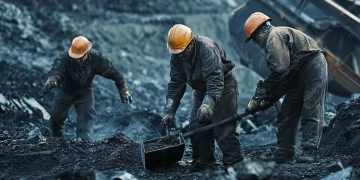
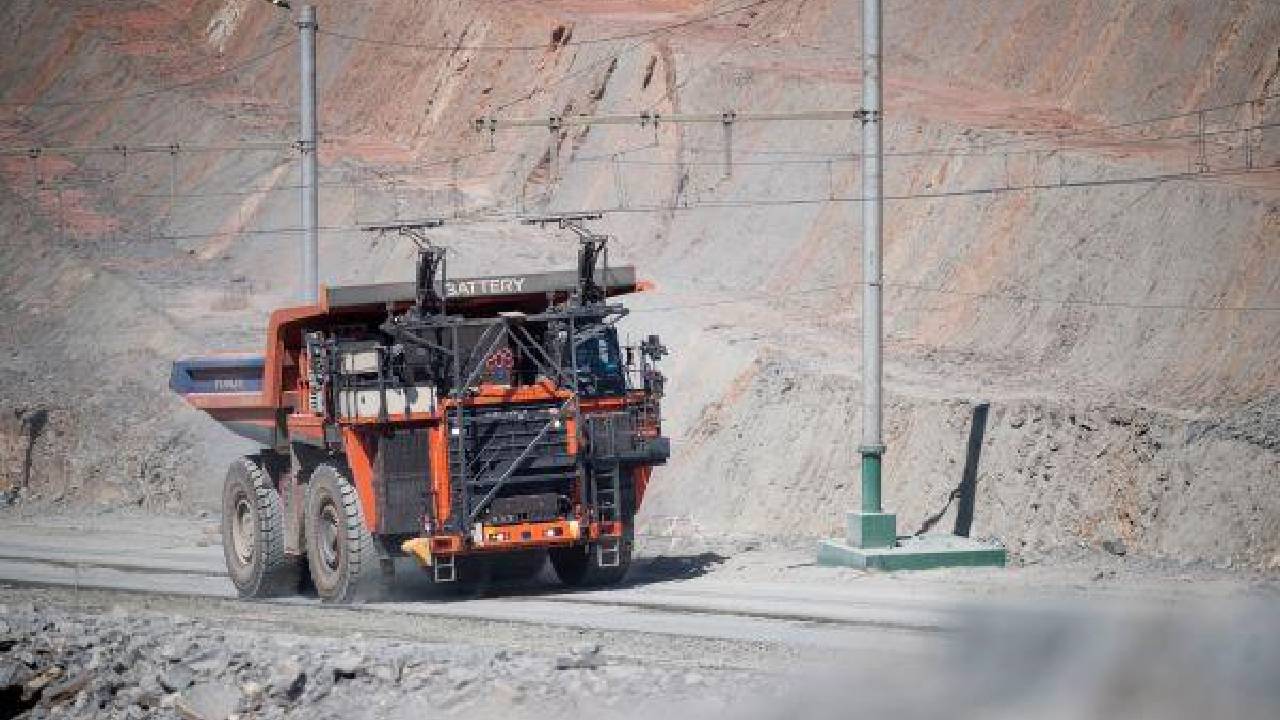
In the DRC, copper mining is concentrated in the southern provinces of Lualaba and Haut-Katanga. These areas host some of the highest-grade copper deposits in the world, with large industrial mines operated by global companies and state-linked partners.
Major operations include the Kamoa-Kakula project, which has been described in industry assessments as one of the world’s largest copper discoveries.
Zambia’s copper industry is centred in the Copperbelt and North-Western Province, where large mines such as Lumwana and Kansanshi play a key role in national output.
Zambia is Africa’s second-largest copper producer after the DRC and is ranked among the top global producers.
Both countries have seen a rise in production over the past decade, supported by new investment and expansion of existing mines.
Industry estimates suggest the DRC has become one of the world’s fastest-growing copper producers and has overtaken Peru in output rankings in recent years.
At the same time, Zambia has set targets to increase production to more than 3 million tonnes a year over the next decade, supported by new investment in mining projects and processing capacity.
The scale of investment is rising as global demand grows. Analysts estimate that copper supply will need major expansion to meet long-term demand from electrification and infrastructure development.
Global mining companies and investors are increasing activity in both countries. In Zambia, firms such as Barrick Gold and First Quantum Minerals operate large-scale mines, while new entrants are exploring additional deposits.
In the DRC, major projects are also backed by international mining groups, particularly in copper-cobalt belts where industrial-scale extraction is concentrated.
Copper remains one of the most widely used industrial metals due to its electrical conductivity and durability. It is essential in power transmission, construction, electronics and transport systems.
This makes supply stability a key concern for global markets, particularly as energy systems shift toward electrification.
Despite strong resource positions, both the DRC and Zambia face challenges that could affect production growth. These include infrastructure gaps, power shortages and regulatory uncertainty in some mining areas.
Zambia has also faced electricity constraints linked to hydropower dependence during periods of drought, while parts of the DRC mining corridor continue to deal with transport and security issues.
Security risks and informal mining activity remain concerns in some regions of the Copperbelt, affecting both production efficiency and regulatory oversight.https://www.zimining.co.zw/index.php/2026/03/10/mining-security-tech-zimbabwe/
Environmental pressure is another issue. Copper mining requires large volumes of water and energy, raising concerns about land use and sustainability in mining regions.
Governments in both countries have signalled plans to increase local processing and value addition rather than relying solely on raw exports. This is aimed at capturing more value from mineral resources and creating local industrial capacity.
Regional integration is also seen as a potential factor in improving transport, energy supply and investment flows across the Copperbelt.