THE GLOBAL mining industry is facing mounting pressure to cut carbon emissions as governments tighten climate targets and investors demand cleaner operations, forcing companies to rethink how minerals are extracted and processed.
Mining accounts for up to 7% of global greenhouse gas emissions, according to the International Institute for Sustainable Development, making it a critical focus as countries push toward net-zero goals.
Companies are increasingly investing in electrification, renewable energy and digital technologies to reduce diesel use, improve efficiency and lower their environmental footprint.
ABB’s 2025 white paper, Building the All-Electric Mine, outlines a phased approach to electrification based on 26 studies conducted across nine countries.
“Starting small and thinking big is key,” the report says, noting that electrification can cut emissions and improve safety, although adoption varies widely depending on location and commodity.
In Australia, miners are testing battery-powered heavy equipment. BHP and Rio Tinto are trialling Caterpillar’s 240-ton battery-electric haul trucks at the Jimblebar iron ore mine.
The trucks produce zero exhaust emissions while maintaining operating performance.
Renewable energy is also gaining traction across the sector. Mining Technology reports that solar and wind power are now the most widely adopted sources, often secured through long-term power purchase agreements.
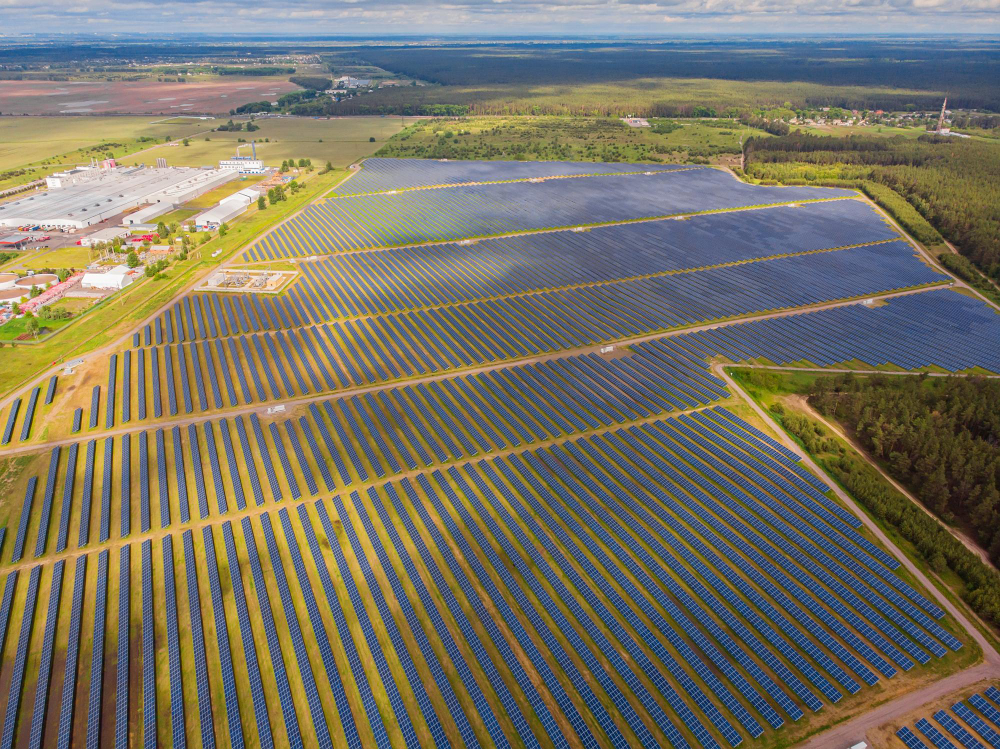
In South Africa, several mines have installed large-scale solar arrays to reduce dependence on coal-fired electricity and manage rising energy costs.
Geopolitics, however, is complicating the transition. A 2025 analysis by Skillings Mining found that resource nationalism, policy uncertainty and fragmented investment are slowing mergers and infrastructure upgrades.
China’s dominance in critical minerals has also reshaped global supply chains, triggering trade disputes and forcing companies to diversify sourcing.
Digital tools are becoming central to decarbonisation strategies. Digital twins, which are virtual models of physical mining systems, allow operators to simulate performance, cut waste and optimise energy use.
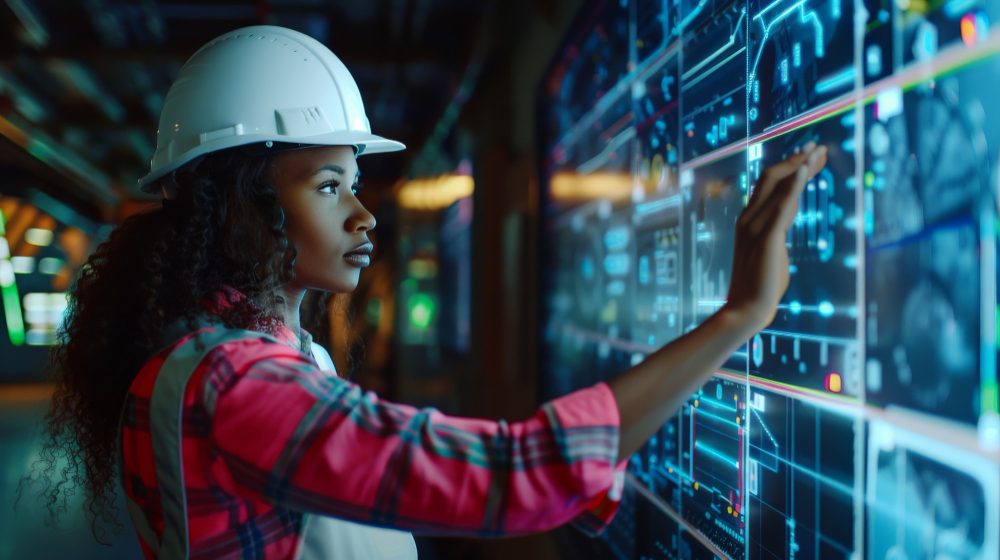
Sensor-driven analytics now track emissions, fuel consumption and equipment health in real time. “Smart mining is no longer optional,” EngineerIT said. “It’s the backbone of safe, efficient, low-carbon operations.”
Demand for so-called green minerals is accelerating. Lithium, cobalt, nickel and copper are essential for electric vehicles, renewable power and energy storage.
The International Energy Agency forecasts that demand for these minerals will triple by 2040, while the World Bank estimates more than 3 billion tonnes will be needed to meet global climate targets.
Governments are beginning to respond. An IISD scoping study published in 2024 shows that countries including Chile, Indonesia and South Africa have incorporated mining into their national climate commitments.
Regulatory frameworks are evolving to support lower-carbon operations, greater transparency and cleaner supply chains.
Cost remains a major hurdle. BloombergNEF estimates that decarbonising heavy industry can increase costs by 30% to 50%, although long-term savings are possible through efficiency gains and energy security.
Investor pressure is rising. McKinsey reports a 27% increase in climate-focused mining investments since 2019 as capital shifts toward companies with credible transition plans.
Some producers are already showing results. Chile’s copper industry has expanded solar power and electric transport, while Indonesia is piloting low-emission nickel processing technologies.
South Africa is exploring hydrogen fuel and battery storage to power deep-level mines and reduce grid dependence.
The stakes are high. If mining companies fail to cut emissions, they risk tougher regulation, loss of investor confidence and growing public opposition.
IISD warns that the industry’s “social license to operate” will increasingly depend on visible, measurable progress toward decarbonisation.