- The U.S. International Development Finance Corporation invested $46 million in Syrah Resources.
- The deal gives Washington a 20% stake in Mozambique’s Balama graphite mine.
- Graphite from Balama will support U.S. battery supply chains and reduce reliance on China.
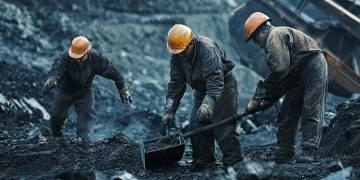
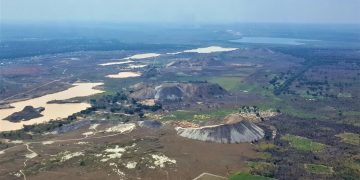
THE UNITED States has become the second‑largest shareholder in Syrah Resources after a $46 million investment in Mozambique’s Balama graphite mine.
The U.S. International Development Finance Corporation (DFC) said it converted a $31 million loan into equity and added $15 million in new capital. The move gives Washington a 20 percent stake in Syrah.
“This investment will help secure supply chains for electric vehicles and renewable energy,” DFC said in a statement.
Syrah Resources confirmed the deal, noting Balama’s importance as one of the largest natural graphite deposits in the world. “This partnership strengthens our balance sheet and supports expansion at our Vidalia plant in Louisiana,” Syrah chief executive Shaun Verner said.
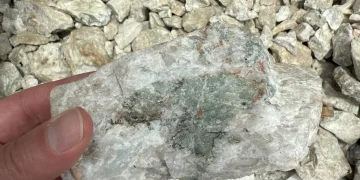
Graphite is a key material in lithium‑ion batteries used in cars, energy storage and electronics. China currently dominates global graphite supply, controlling more than 80% of processing. The U.S. stake in Balama is seen as a step to reduce reliance on Beijing.
The investment comes as demand for battery minerals accelerates under the Inflation Reduction Act, which offers incentives for domestic EV production and clean energy projects. U.S. officials have warned that dependence on Chinese supply chains poses strategic risks, especially after Beijing imposed export controls on graphite in 2023.
Mozambique’s government welcomed the investment. “This shows confidence in our mining sector and will bring jobs and infrastructure to Cabo Delgado,” said Mineral Resources Minister Carlos Zacarias.
Cabo Delgado has faced insurgent violence in recent years, raising security concerns. Syrah said it continues to work with authorities to safeguard operations.
Local community leaders expressed cautious optimism. “We hope this investment will benefit our people through jobs and development,” said João Matola, a resident near Balama.
The deal also highlights growing competition between the U.S. and China in Africa’s mining sector. Beijing has long financed projects and secured supply agreements across the continent. Washington’s move into Balama shows a willingness to compete directly.
Syrah’s Vidalia plant in Louisiana will process Balama graphite into anode material for U.S. automakers. “Linking African raw materials to American manufacturing is critical for EV adoption,” Verner said.
Market volatility remains a challenge. Graphite prices fluctuate with demand for electric vehicles and global supply dynamics. But U.S. officials say strategic needs outweigh short‑term risks.
Environmental groups have raised concerns about mining impacts. Syrah said it follows international standards and is committed to sustainable practices.