- The DRC is developing the $1.4bn Manono lithium project in Tanganyika Province.
- Zijin Mining says the project is a long‑term investment to meet rising global lithium demand.
- The mine could become one of the world’s largest lithium sources once fully operational.
THE DEMOCRATIC Republic of the Congo (DRC) is moving ahead with the $1.4 billion Manono lithium project, a development that could place the country among the world’s top lithium producers.
The project is being led by Zijin Mining Group, one of China’s largest mining companies.
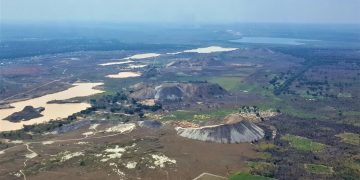
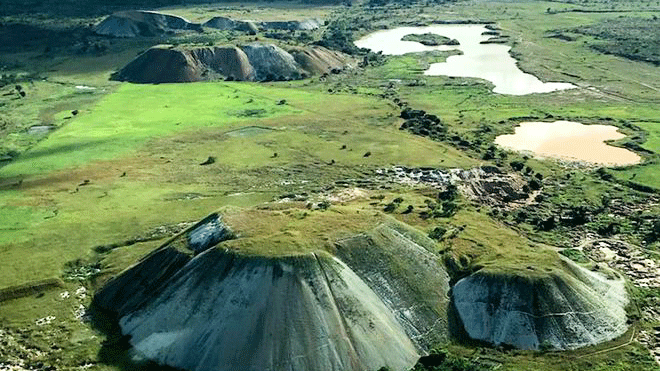
The Manono deposit is located in Tanganyika Province, a region known for its long history of tin and coltan mining. The new lithium project is expected to produce about 130,000 tonnes of lithium carbonate equivalent (LCE) per year once fully operational.
Zijin Mining has described the project as a major part of its global battery‑minerals strategy. In a recent statement, the company said the Manono project is “a long‑term investment aimed at meeting strong global demand for lithium.”
The company has not released detailed public timelines for full production.
The DRC government has welcomed the investment. A spokesperson for the Ministry of Mines said the project “shows the DRC’s potential to supply minerals needed for the global energy transition.”
Officials say the mine will support economic growth and help diversify the country’s mineral exports.
The project has been progressing since 2023, when Zijin Mining secured rights to develop the deposit. Construction and development work have continued as the company prepares for large‑scale production.
Industry reports say the mine is designed at a scale similar to major lithium operations in Australia and South America. If production targets are met, the Manono mine would become one of the largest single sources of lithium globally.
Lithium is a key mineral used in batteries for electric vehicles, renewable energy storage, and consumer electronics. Demand has been rising as governments push for cleaner energy systems and automakers expand electric‑vehicle production.
The DRC is already a major supplier of cobalt, producing more than 60% of the world’s cobalt used in batteries. Adding a large lithium project could strengthen the country’s role in the global battery supply chain.
The Manono project is expected to create jobs and bring new infrastructure to the region. Large mining projects often lead to improvements in roads, power supply, and local services. Local leaders say they hope the project will bring more opportunities to communities in Tanganyika Province.
Environmental groups have raised concerns about the impact of large‑scale lithium mining. They warn that mining can affect land and water resources if not properly managed. The DRC government has said it will monitor environmental standards closely and ensure companies follow national laws.
The project also faces logistical challenges. The Manono region is remote, and transporting equipment and materials requires major investment in roads and power. Infrastructure development will be important for meeting production targets.
Despite these challenges, the project has attracted strong interest from investors and industry observers. They note that global demand for lithium is expected to remain high for many years as countries shift to electric transport and renewable energy.