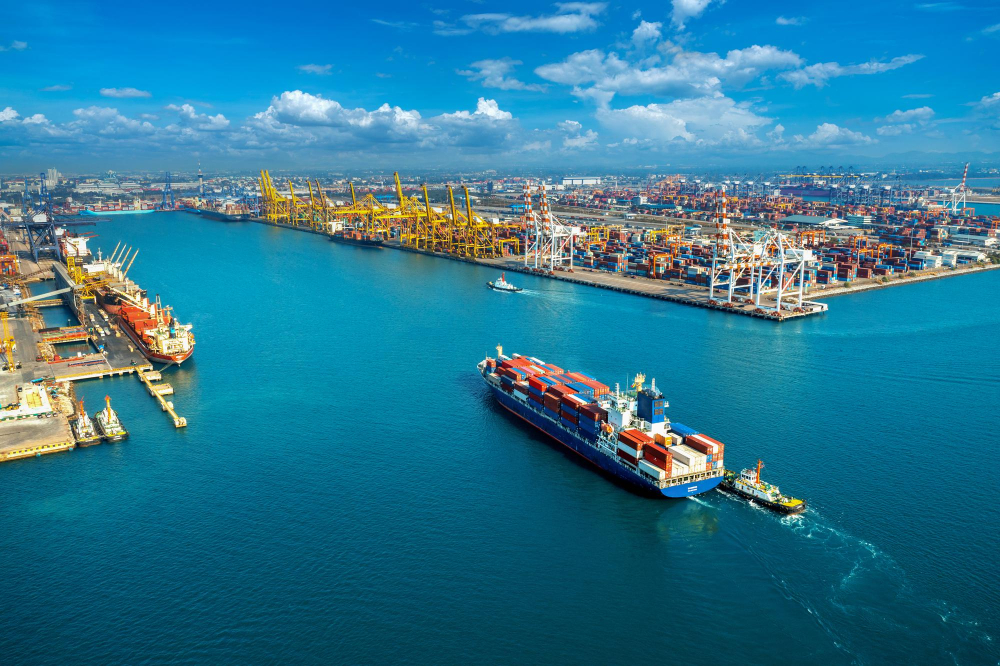
- Global tensions have forced ships to avoid the Red Sea and take longer routes.
- The longer journeys have increased shipping costs and slowed gold exports from Zimbabwe.
- Zimbabwe relies heavily on gold sales, and higher transport costs may reduce export earnings.
ZIMBABWE’S gold exporters are facing higher shipping costs and longer delivery times as global tensions disrupt major trade routes, according to trade data and global shipping advisories.
Instability in the Middle East has forced vessels to avoid the Red Sea and the Strait of Hormuz. Ships are now travelling around the Cape of Good Hope, adding days to delivery schedules and increasing fuel and insurance costs.
Maersk, one of the world’s largest shipping lines, said the security situation remains unpredictable.
“The situation in the Red Sea remains highly volatile, and all vessels are being rerouted around the Cape of Good Hope,” the company said in a public advisory.
Hapag‑Lloyd, another major carrier, also suspended Red Sea operations. “We are avoiding the Red Sea passage until further notice due to the security situation,” the company said.
Zimbabwe exports most of its gold to the United Arab Emirates (UAE), which accounted for 45% of the country’s gold export revenue in 2023, according to official trade statistics.
The UAE is a major global bullion hub, making Zimbabwe’s shipments sensitive to disruptions in Middle Eastern air and sea routes.
A trade report submitted to Zimbabwe’s Ministry of Industry and Trade warned that instability in the region could slow export flows and raise costs. The report said the country remains exposed to “indirect risk” because of its reliance on UAE markets.
Ghana, another major African gold producer, has also reported delays. Ghana’s Minister of Lands and Natural Resources, Samuel Jinapor, said the disruptions have affected export schedules.
“The disruptions in global shipping have affected our export schedules, and we are working with partners to manage the delays,” he said.
Zimbabwean exporters usually ship refined or semi‑refined gold to Dubai, South Africa, and Europe. The longer routes have increased transit times and raised insurance premiums for high‑value cargo.
Gold is Zimbabwe’s largest foreign‑currency earner, and small‑scale miners supply more than half of the country’s output. Industry groups say rising logistics costs could reduce the prices paid to miners, although no official statements have been issued.
Some exporters are considering alternative routes through ports in Mozambique and Namibia. These ports offer shorter access to the Indian Ocean, but they have limited capacity and require longer overland transport.
Global demand for gold remains strong. The World Gold Council said geopolitical tensions have increased investor interest.
“Gold demand remains strong as investors seek safe‑haven assets amid geopolitical uncertainty,” the Council said in its 2024 report.
Zimbabwe could face reduced export earnings if shipping challenges continue. The country relies heavily on gold to support its foreign‑currency needs, and higher logistics costs may affect margins for exporters.
Exporters say they are monitoring global shipping advisories as tensions continue to reshape trade routes across Africa and the Middle East.