PLANETGOLD Zimbabwe has raised concerns over Zimbabwe’s newly gazetted Mines and Minerals Amendment Bill, saying the proposed law falls short of addressing some of the most critical challenges facing the mining sector, particularly the artisanal and small-scale mining industry.
The organisation said that while the Bill represents an important step toward updating Zimbabwe’s outdated mining legislation, it does not adequately recognise the role of artisanal miners or provide a clear framework for their formalisation and integration into the economy.
In a policy submission titled Strengthening the Mines and Minerals Bill: Advancing reforms for the benefit of artisanal and small-scale gold miners in Zimbabwe, planetGOLD Zimbabwe said the omission was a significant oversight given the sector’s economic and social importance.
“The gazetting of Zimbabwe’s Mines and Minerals Bill marks a decisive step in efforts to modernise the mining industry,” the organisation said. “The Bill is commendable for addressing an antiquated framework, including formal recognition of small-scale miners as integral actors within the sector.”
However, planetGOLD Zimbabwe said the legislation remains largely silent on artisanal miners, creating uncertainty over their legal status and how they fit within the broader small-scale mining category.
“By failing to explicitly recognise artisanal miners, the Bill leaves room for ambiguity that could undermine its goal of building an equitable, sustainable and inclusive mining sector,” it said.
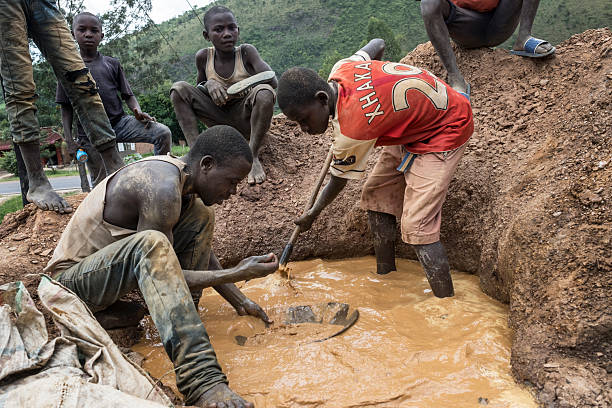
Artisanal and small-scale miners play a central role in Zimbabwe’s mining economy, but their exclusion from formal systems often leads to safety risks, environmental degradation and lost government revenue, the organisation added.
The group has previously warned that limited access to finance is one of the main reasons artisanal miners continue to rely on mercury, arguing that funding is critical to enabling the adoption of safer, mercury-free processing methods.
planetGOLD Zimbabwe also criticised the Bill for not directly addressing the participation of historically marginalised groups, including women and people with disabilities, despite widespread barriers to entry and advancement in the sector.
“Although non-discrimination and equality are addressed in broader constitutional and statutory frameworks, the Mines and Minerals Bill should make explicit reference to these protections,” the organisation said. “This would ensure inclusivity is embedded within the mining legal framework.”
Women in mining continue to face gender-based violence, limited access to higher-value opportunities and disproportionate exposure to mercury and other occupational hazards, while people with disabilities are rarely accommodated in access to mining rights, financing and capacity-building programmes, planetGOLD Zimbabwe said.
The organisation urged the government to strengthen the Bill by explicitly acknowledging these inequalities and aligning mining legislation with constitutional and international obligations.
planetGOLD Zimbabwe said addressing these gaps would help create a more inclusive and sustainable mining sector, while strengthening the contribution of artisanal and small-scale miners to Zimbabwe’s economic development.