- Zimbabwe has suspended exports of lithium and other raw minerals immediately.
- ZELO supports the move, saying it could curb illegal trade and improve oversight.
- Analysts warn the ban may tighten supply and push global lithium prices higher.
ZIMBABWE’S decision to suspend exports of lithium concentrate and other raw minerals with immediate effect has drawn support from the Zimbabwe Environmental Law Organisation (ZELO), which says tighter controls could reduce leakages in the sector.
In a statement, ZELO referred to its 2025 Mine to Market situational report, which pointed out the existing weaknesses in oversight and the high risk of informal trade in lithium.
“The ban on lithium concentrate export was an expected development, given the risks and vulnerabilities in the lithium sector,” ZELO said.
“We take comfort in knowing that some recommendations in our situational report are aligned with Government’s position at this moment.”
The government’s ban encompasses all raw minerals and lithium concentrates, including those shipments that are already en route. The ban will remain in place until further notice, as stated by the mines ministry on February 25.
Mines and Mining Development Minister Polite Kambamura explained that authorities are working to realign export processes to tackle irregularities and enhance accountability.
“Government expects cooperation from the mining industry on this measure which has been taken in the national interest,” he said in a ministry statement.
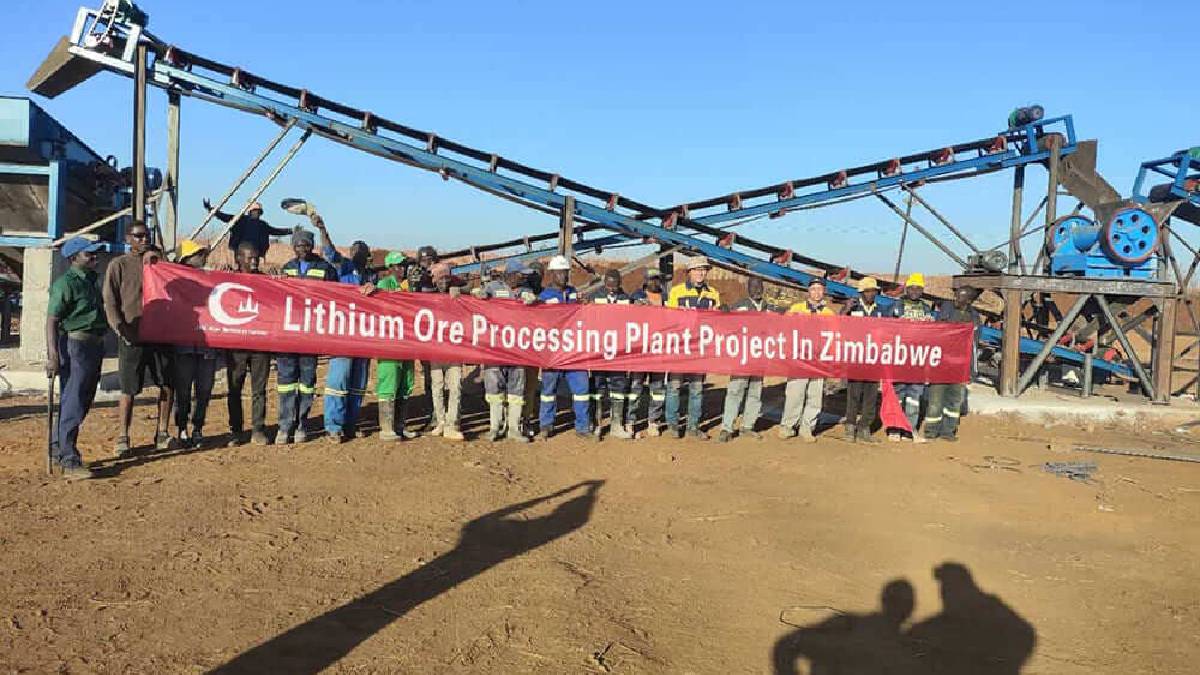
Zimbabwe stands as Africa’s largest producer of lithium, having exported approximately 1.128 million metric tons of lithium-bearing spodumene concentrate in 2025.
This was an 11% increase from 2024, according to official figures.
The majority of that concentrate was sent to China for further processing into battery-grade materials, but authorities have been advocating for increased local value addition to retain revenue and create jobs.
ZELO’s report underscored weak oversight as a significant vulnerability.
It highlighted that lithium reserves near border areas, such as Mutoko, are susceptible to illicit flows and mentioned that some traders may struggle with bargaining power during sales.
The organisation has expressed its approval of the recent decision to station officers from the state’s Minerals Marketing Corporation of Zimbabwe at crucial border posts.
According to Cameron Hughes, an analyst at consultancy CRU Group, Zimbabwe’s export ban could really tighten supply and have an impact on global prices.
He even likened the policy to export controls seen in other African nations.
Additionally, analysts at Jefferies, the global financial services firm, noted that the scope and timing of Zimbabwe’s controls were more extensive than anticipated and would likely lead to a tighter market in the short term.
ZELO has reiterated the recommendations from its report, calling for enhanced compliance monitoring, consistent enforcement of regulations, and the fostering of public-private partnerships to develop local processing capabilities.
Additionally, it has supported the idea of establishing Special Economic Zones for beneficiation, which generally provide incentives such as tax breaks and improved infrastructure to attract investment in refining and value-added production.
“Zimbabwe stands to realise substantial benefits from lithium mining and processing, including job creation and improved livelihoods for rural communities,” ZELO said.
It also urged the government to strengthen the legal frameworks that govern the transitional minerals sector.