- Zimbabwe is seeking investors to help develop a $500 million platinum mine at Darwendale.
- The project could unlock about 44 million ounces of platinum group metals over several decades.
- Officials say new partners are needed to move the long-delayed project into construction.
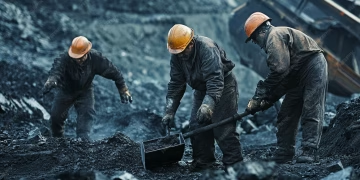
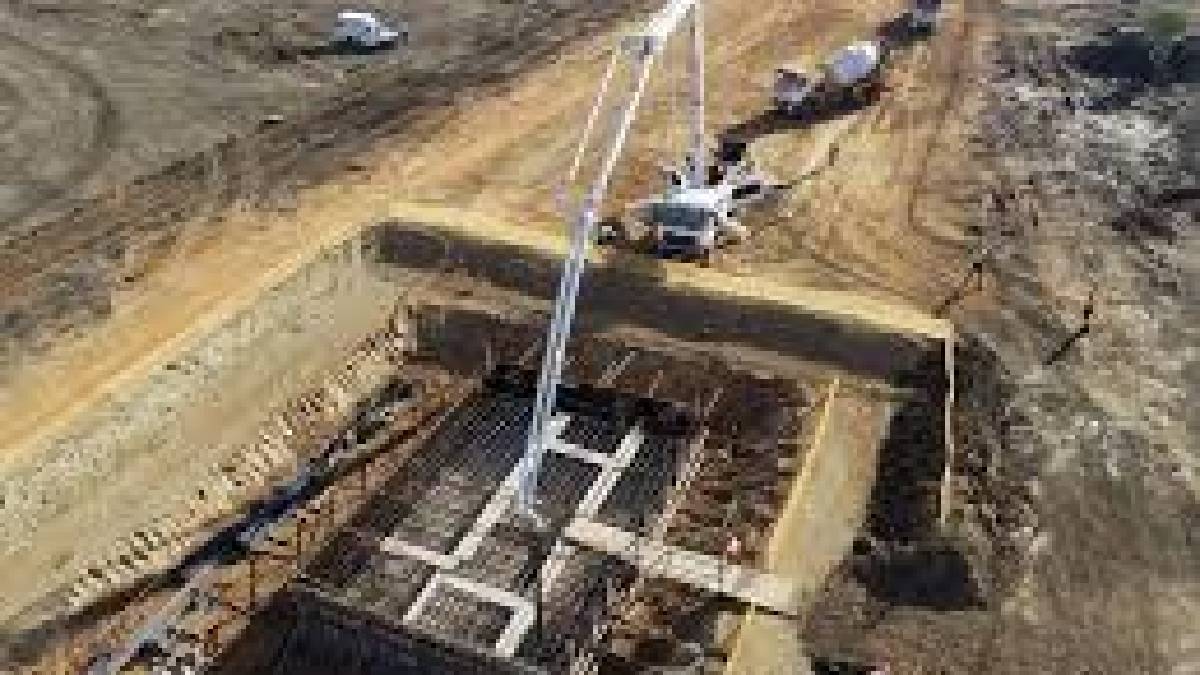
STATE-owned Mutapa Platinum Group is on the lookout for partners to help develop a $500 million platinum project in Darwendale, just west of Harare, with the goal of tapping into an estimated 44 million ounces of platinum group metals.
Chief executive Munashe Shava mentioned that the company is keen to collaborate with experienced producers to speed up the project’s development.
“We’ve taken a collaborative approach to developing this asset, seeking out other producers or miners already in the field to explore how we can work together to expedite progress,” Shava told reporters in Harare.
He added that the company is open to investors who have “the proper colour of money,” noting that discussions about funding are already well underway.
The Darwendale deposit is situated on Zimbabwe’s mineral-rich Great Dyke, which is home to some of the largest platinum reserves in the world.
According to industry data, Zimbabwe ranks third globally in platinum reserves, behind South Africa and Russia.
Over the past decade, the project has encountered delays, including the exit of partners linked to Russia after Western sanctions tightened in response to Moscow’s invasion of Ukraine.
Previous reports from Reuters have indicated that these sanctions disrupted funding channels for various projects associated with Russian entities.
While Shava did not disclose specifics about the new financing structure, he did mention that Mutapa aims to commence development by the end of the first quarter of 2026.
Industry analysts point out that large platinum projects usually take several years to move from development to first production, influenced by factors such as financing, power supply, and processing infrastructure.
Mutapa has yet to announce specific terms for potential partners, but in Zimbabwe’s platinum sector, partnerships typically involve a mix of equity participation along with processing or offtake agreements.
The sector is largely led by established companies like Zimplats, a subsidiary of Impala Platinum; Mimosa Mining Company, which is co-owned by Sibanye Stillwater and Impala; and Karo Platinum, currently working on a separate project on the Great Dyke.
Karo Platinum has announced plans to invest over $500 million in its initial phase, aiming for production to start in 2026, as stated by the company.
The platinum market has experienced significant volatility in recent years, influenced by demand from the automotive industry, where the metal is essential for catalytic converters, as well as by investor interest in precious metals.
Prices soared to multi-year highs in 2023 before falling due to fluctuations in the broader commodity market, according to data from Reuters.
Analysts suggest that long-term demand will depend on vehicle production trends and the speed of the energy transition.
“Platinum remains critical for autocatalysts and certain industrial uses, but demand growth is uneven,” noted a metals analyst based in Johannesburg, highlighting the changing patterns in global vehicle sales.
Large-scale platinum mining comes with environmental and social responsibilities, such as land rehabilitation, water management, and, when necessary, relocating communities.
Under Zimbabwean law, environmental impact assessments are required before any major mining development can move forward. Mutapa has yet to publicly share a detailed environmental timeline for the Darwendale project.
Local leaders in the Darwendale region have previously expressed concerns regarding water usage and job opportunities.
Formal agreements for the new development phase have not been made public yet.
Mines Minister Polite Kambamura has said that government policy focuses on revitalising and increasing platinum production throughout the Great Dyke.
The Darwendale project is in line with the government’s broader goals to boost mineral production and draw in investment while keeping strategic control over essential assets.