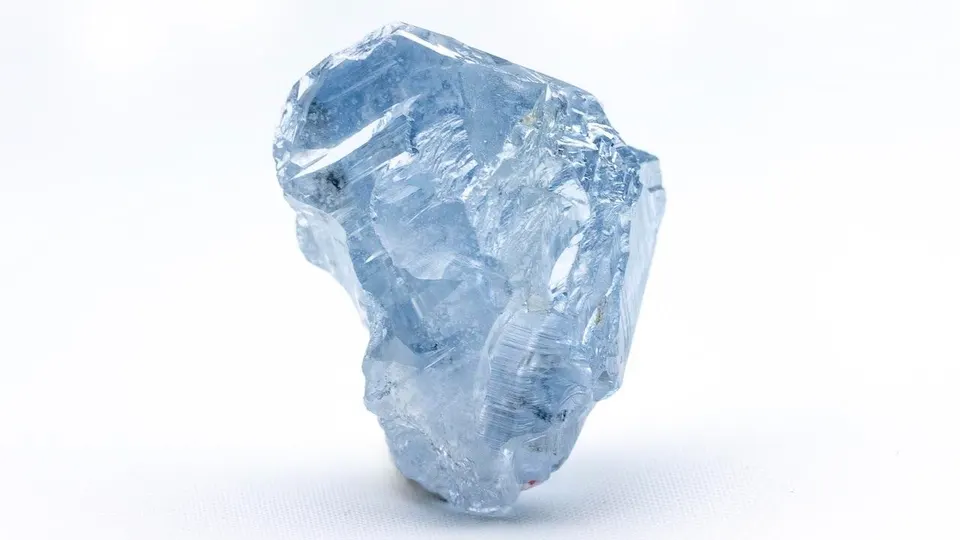
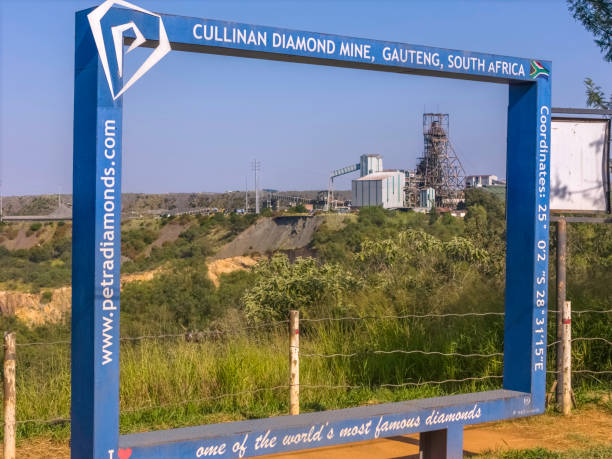
THE RECENT discovery of a rare 41.82-carat blue diamond at South Africa’s Cullinan mine has sparked renewed interest in the value that African diamond-producing nations retain from their mineral resources, particularly the renowned South African blue diamond.
Recovered in January by Petra Diamonds, the stone has been described by the miner as a “type IIb blue diamond of seemingly exceptional quality in terms of both its colour and clarity.”
This find underscores the importance of the South African blue diamond in the global market.
Blue diamonds are among the rarest gemstones, making up less than 0.1% of all natural diamonds. Once cut and polished, they can fetch astonishing prices.
Petra has stated that it is still analysing the stone and figuring out the best sales process but has not given any timeline or price guidance.
These discoveries not only highlight the immense value found in Africa’s diamond deposits but also bring to light a persistent issue: much of that value is realised outside the countries where the diamonds are mined, especially in the cutting, polishing, and retail sectors.
Typically, diamonds mined in Africa are sold as rough stones on international markets. The final polished value can be several times higher on a per-carat basis, influenced by specialist cutting skills, access to finance, and global demand, most of which is concentrated overseas.

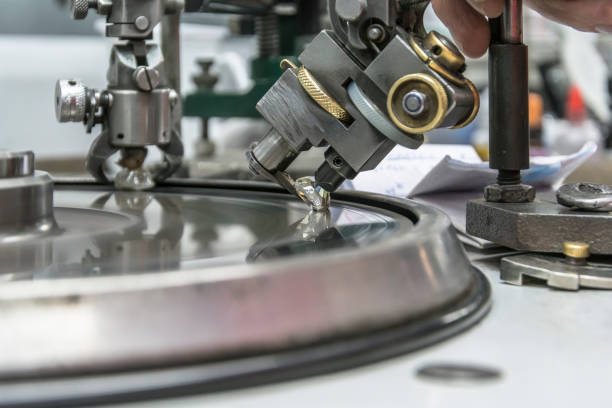
Producing countries are working to tackle the imbalance in the diamond industry through beneficiation policies that focus on developing downstream industries. Botswana has taken the lead in this initiative, promoting local cutting, polishing, and jewellery manufacturing alongside its mining activities.
In Gaborone, several cutting and polishing factories are now in operation, thanks to supportive government policies and collaborations with industry players. Additionally, Botswana has renegotiated its long-standing partnership with De Beers, allowing for a greater share of production to be marketed through its state-owned Okavango Diamond Company.
This move is part of a broader strategy to retain more value within the country.
Similarly, South Africa has been advocating for beneficiation through mineral policy frameworks that highlight value-added processing. This includes diamond cutting and polishing, which can significantly boost the value of a stone by several hundred percentage points.
However, despite these efforts, the most lucrative segments of the global diamond value chain are still concentrated in established hubs like Antwerp, India, and Israel. These locations benefit from deep-rooted technical expertise, extensive trading networks, and robust financing, allowing them to dominate the cutting, polishing, and sale of high-value coloured diamonds.
For countries that produce diamonds, the key challenge is finding a balance between earning revenue from rough stone exports, which are crucial for government finances, and fostering the long-term growth of competitive local or regional industries.
In Botswana, diamond exports continue to support fiscal revenue and foreign exchange earnings, even as policymakers advocate for a gradual expansion of downstream activities.
The economics of diamond mining are facing challenges as well. In recent years, global demand for natural diamonds has declined, while lab-grown alternatives have gained market share, leading to a drop in prices.
Petra Diamonds has felt the impact of these trends. The company reported lower average prices for rough diamonds in 2025, along with an increase in net debt compared to previous years, reflecting the broader challenges facing the industry.
Environmental and social issues are also at the forefront of discussions about beneficiation. Diamond mining is energy-intensive, involving both underground and open-pit operations, which have significant effects on water and land use. Governments and producers are increasingly adopting environmental management systems in both mining and processing to align economic goals with sustainability efforts.
For African economies, the recovery of a high-value blue diamond from a deep Kimberlite pipe highlights three important truths: mining is still a crucial source of export revenue; much of the diamond value chain remains offshore; and the choices made regarding beneficiation and industrial strategy will influence whether more wealth stays closer to the source of extraction.