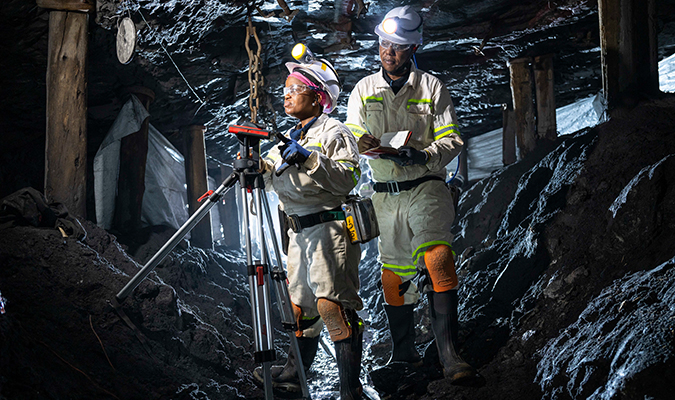
- Ruthenium and tantalite prices have risen to multi‑year highs on strong global demand.
- South Africa remains the main source of ruthenium through its platinum group metals mines.
- The DRC leads global supply of tantalite, used in capacitors for electronics and AI hardware.
PRICES for ruthenium and tantalite have climbed to multi‑year highs as global demand increases and supply remains tight.
South Africa and the Democratic Republic of the Congo (DRC) remain the world’s main producers of these metals.
Recent market data shows ruthenium trading at about $1,750 per ounce, supported by rising use in electronics and cloud‑computing hardware. The metal is part of the platinum group metals family and is produced mainly as a by‑product of South Africa’s platinum mines.
The DRC leads global supply of tantalite, which is refined into tantalum for capacitors used in smartphones, aerospace systems, and artificial‑intelligence hardware. Demand has grown as manufacturers expand production of high‑performance electronics.
Both metals are considered critical for modern technology. They are used in products ranging from data‑centre servers to advanced sensors and high‑temperature components.
Ruthenium supply remains tight because output depends on platinum mining. South Africa’s platinum sector has faced lower production in recent years due to operational and cost pressures.
Tantalite supply from the DRC is affected by transport, security, and regulatory challenges. These issues continue to limit the amount of material reaching global buyers.
South Africa’s dominance in ruthenium comes from its large platinum group metals operations. The country hosts some of the world’s biggest PGM mines, which produce ruthenium during ore processing.
The DRC’s position in tantalum supply is linked to its rich mineral deposits in eastern and central regions. These areas have long produced coltan, the ore that contains tantalum.
Prices for both metals have risen sharply in recent months. Market analysts say the trend reflects strong demand from electronics and AI industries, combined with limited new supply.
Manufacturers are expected to continue seeking stable sources of these minerals. Ruthenium is used in chip resistors and hard‑disk drives, while tantalum is essential for compact capacitors in smartphones and electric‑vehicle systems.
The rise in prices has renewed attention on Africa’s role in global technology supply chains. South Africa and the DRC remain central to the production of minerals needed for advanced electronics.