- Zimbabwe says beneficiation must go beyond producing concentrates.
- Government will enforce mineral export rules and value-addition targets.
- Lithium, chrome and steel projects are central to the strategy.
ZIMBABWE must stop measuring success by how much mineral concentrate it exports and instead build industries that produce finished products, Mines and Mining Development Minister Dr. Eng. Polite Kambamura said.
Speaking at the Ministry of Mines and Mining Development’s 2026 Mid-Term Strategic Planning Review Workshop in Kadoma, Kambamura said beneficiation should cover the entire value chain, from mining to manufacturing.
“Central to the second-half agenda is beneficiation,” he said.
“A mineral buried beneath the ground is not yet wealth; it is potential. Ore brought to the surface is not yet industrialisation; it is an opportunity.”
He said Zimbabwe should not stop at producing concentrates.
“Beneficiation must be understood as a ladder, running from raw ore through concentration, smelting, refining and chemical conversion to component manufacture and finished products. We must not confuse the first rung with the destination.”
Using lithium and chrome as examples, Kambamura said processing minerals into intermediate products was progress but not the final goal.
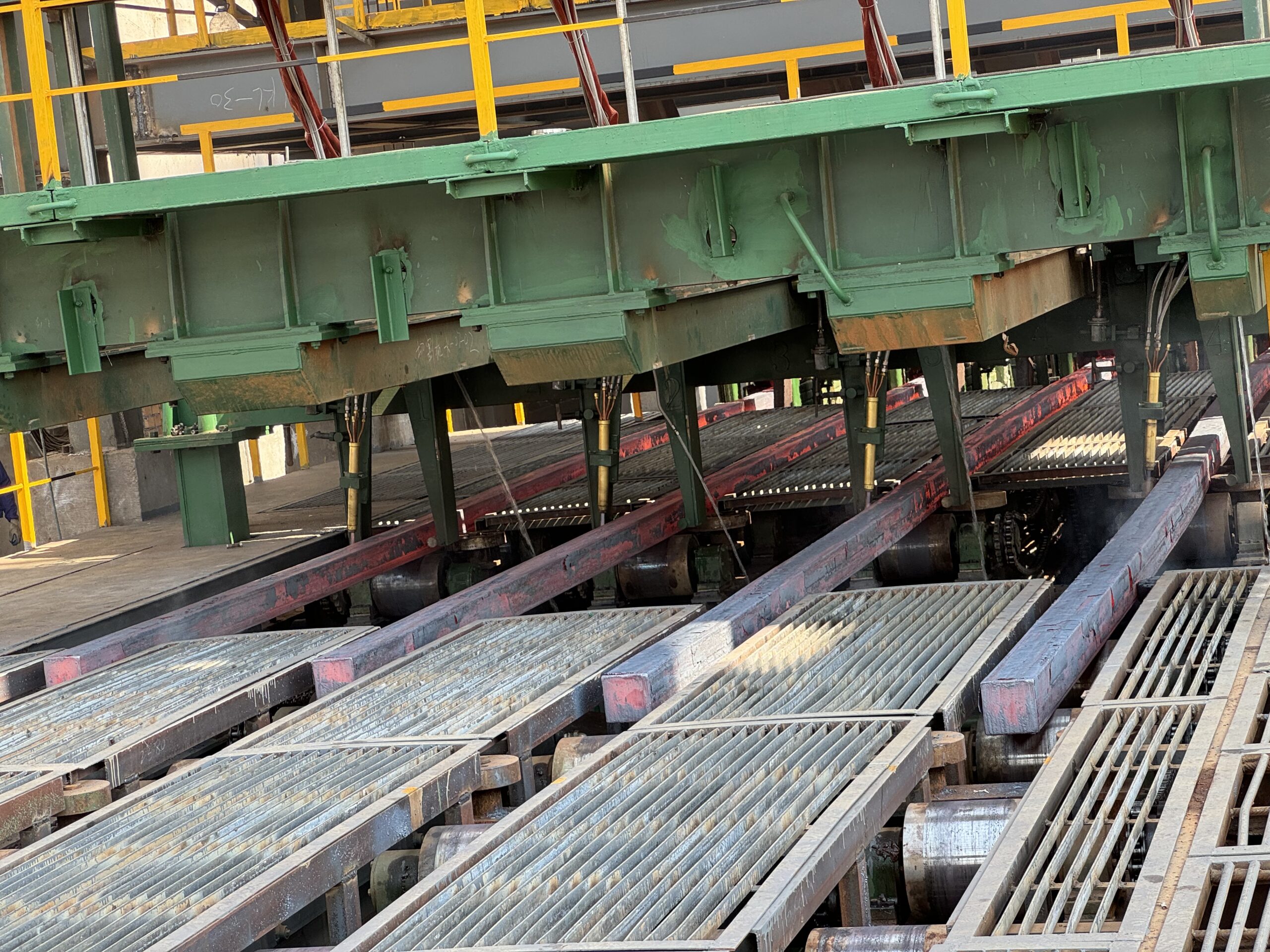
“Lithium sulphate is an important advance beyond concentrate, but it is not yet a battery. Ferrochrome is more valuable than chrome ore, but it remains an input into stainless steel. A steel billet is not yet a railway wagon,” he said.
His remarks come as Zimbabwe presses ahead with plans to ban lithium concentrate exports from Jan. 1, 2027, forcing producers to process more of the battery mineral locally. The policy is part of the government’s broader drive to capture more value from the country’s mineral resources instead of exporting raw materials.
The policy has, however, sparked concern among lithium producers, who say more time is needed to complete processing plants. The Lithium Producers’ Association has asked the government to delay the deadline, citing high costs and ongoing construction projects.
Kambamura has rejected those calls, saying the deadline will remain in place.
“The Ministry must continue to enforce the ban on the export of raw base minerals, take heed of the 1 January 2027 deadline from which all lithium producers should be exporting lithium sulphate, and monitor mining houses against the plans they submitted to us,” he said.
Zimbabwe is Africa’s largest lithium producer and has attracted about US$2 billion in Chinese investment since 2021. Most of that investment has gone into mines and processing plants as demand for battery minerals has grown.
The minister pointed to projects that he said show Zimbabwe’s industrialisation drive is taking shape.
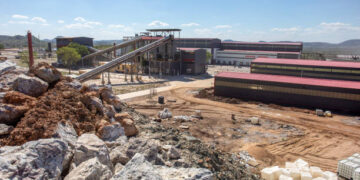
He said the Manhize project is integrating iron ore mining, coking coal, limestone, ferroalloys, power generation and steel production into one industrial complex. He also said Arcadia shipped Zimbabwe’s first locally produced lithium sulphate in April, while Bikita Minerals and Kamativi are building their own lithium sulphate plants.
Reuters reported last month that only one lithium sulphate plant is currently operating in Zimbabwe and that it cannot process material from other producers. Additional plants at Bikita Minerals and Kamativi are still under construction.
Kambamura said beneficiation must also support Zimbabwean manufacturers.
“Our local content work must convert mine procurement into sustained demand for Zimbabwean manufacturers, genuine value created here, not merely a local address on an invoice.”
He also said more work was needed to discover new mineral deposits.
“Much of Zimbabwe remains underexplored by modern standards, particularly beneath cover, at depth and for minerals earlier generations did not regard as strategic,” he said.
Kambamura said new airborne geophysical surveys and the digitisation of the Zimbabwe Geological Survey would help improve exploration.
“Artificial intelligence and drones will not replace the geologist; they will let our geologists work at a speed no team could achieve unaided.”
Mineral beneficiation will require reliable electricity, transport infrastructure, financing and sustained investment if Zimbabwe is to move further up the manufacturing value chain.