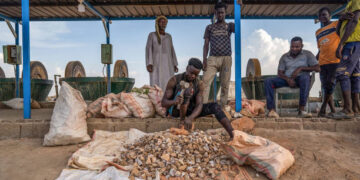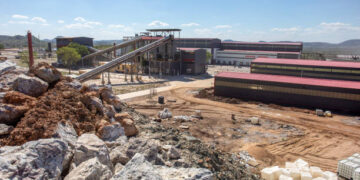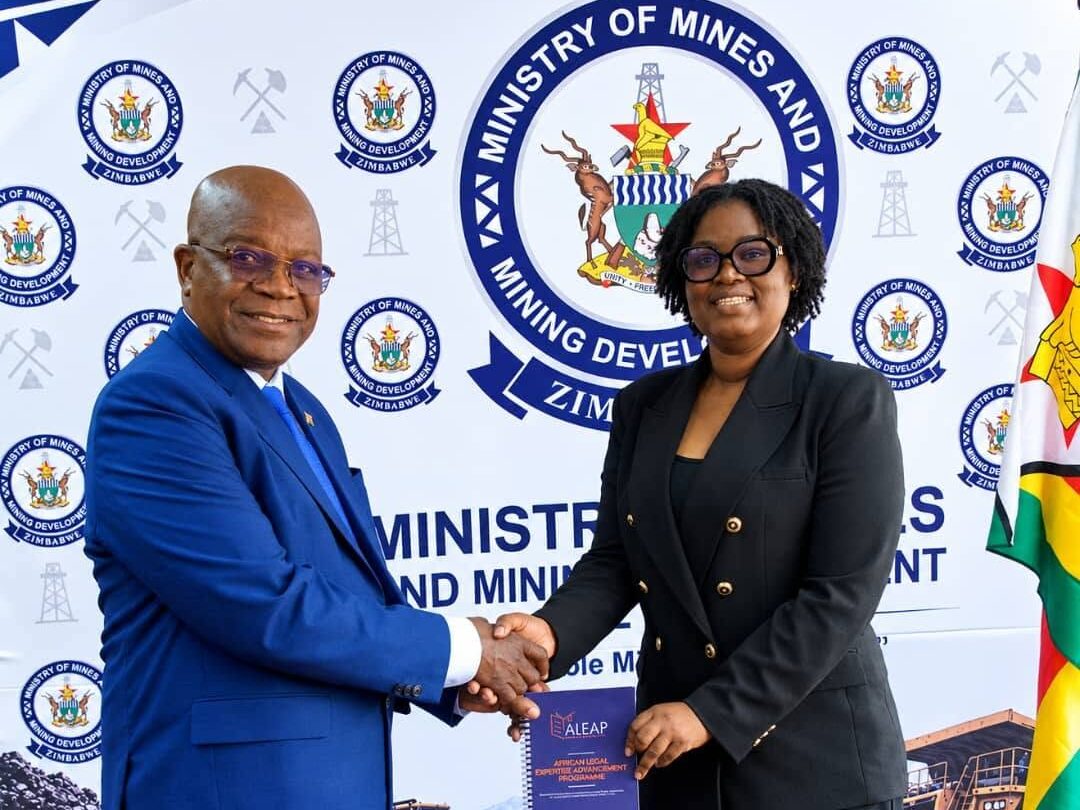
- Deputy Mines Minister Fred Moyo leads lithium benchmarking visit to China
- Delegation to engage parent companies of Chinese investors in Zimbabwe
- Visit comes as Zimbabwe pushes for greater local lithium processing
- Government plans to ban lithium concentrate exports from January 2027
ZIMBABWE’S Deputy Minister of Mines and Mining Development, Fred Moyo, is leading a government delegation to China to engage with the parent companies of Chinese lithium investors operating in the country, as Harare pushes for greater value addition in its fast-growing lithium sector.
The delegation includes engineers, marketers and commercial specialists who will visit the headquarters of Chinese companies with lithium interests in Zimbabwe to study technical and commercial practices and explore opportunities for collaboration, Moyo said.
“We wish to experience technical and commercial practices of these parent institutions with a view to pursue benchmarking and collaboration to achieve mutual benefits,” Moyo said.
The visit comes as Zimbabwe seeks to increase local processing of lithium and reduce reliance on exports of raw mineral products.
Zimbabwe has emerged as Africa’s leading lithium producer and has attracted more than US$1 billion in investment from Chinese companies in recent years. Investors include Zhejiang Huayou Cobalt, Sinomine Resource Group, Chengxin Lithium and Sichuan Yahua, which operate some of the country’s largest lithium assets.
The government has tightened oversight of the sector as it seeks to maximise revenue and develop a domestic battery minerals industry. Recent measures include stricter controls on mineral exports and requirements aimed at encouraging beneficiation.
Authorities have also said a planned ban on lithium concentrate exports will take effect from January 2027, as producers move ahead with projects designed to process lithium locally.
Huayou Cobalt and Sinomine are among companies developing lithium sulphate production capacity in Zimbabwe, part of the government’s strategy to move further up the battery minerals value chain.
The visit to China is expected to focus on technology transfer, commercial cooperation and lessons that could support Zimbabwe’s efforts to expand local processing and build a more integrated lithium industry.