Zimbabwe’s fight against mercury pollution in artisanal and small-scale gold mining takes centre stage in Harare this week as the planetGOLD Zimbabwe project hosts its Annual Stakeholders Conference.
According to a Media Brief released ahead of the conference, the gathering marks the project’s first year as a moment for collaboration and dialogue.
The planetGOLD Zimbabwe project is part of the global planetGOLD program currently implemented in 25 countries. The project works together with local communities to reduce the use of mercury in artisanal and small-scale gold mining, the world’s largest source of anthropogenic emissions of mercury pollution, while improving the health and lives of local mining communities.
In Zimbabwe, the project aims to support 7,500 men and women at 11 districts, including Filabusi, Gwanda, Zvishavane, Esigodini, Bubi, Kadoma, Chegutu, Bindura, Mazowe, and Shamva. It will also reduce mercury use by 4.85 tonnes. The five-year project was launched in 2024.
The project is supported by the Global Environment Facility, led by the UN Environment Programme, and executed by IMPACT, in close coordination with the Ministry of Mines and Mining Development, the Ministry of Environment, Climate and Wildlife and the Environment Management Agency.
Formalization, Finance and Mercury-Free Tech
The planetGOLD Zimbabwe project aims to reduce the use of mercury in artisanal and small-scale mining sector by supporting formalization and increasing access to finance.
“This will lead to adoption of mercury-free technologies and allow access to more responsible and traceable gold supply chains,” the brief states. “While the project is focused on reducing mercury use, it also seeks to address gender equality, women’s empowerment, access to finance, legalization and formalization of the sector, and access to international markets.”
300,000 Miners, 24 Tonnes of Mercury
The conference comes against a stark reality in Zimbabwe.
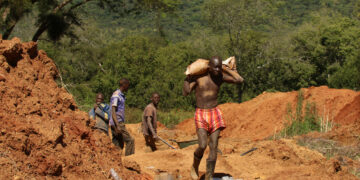
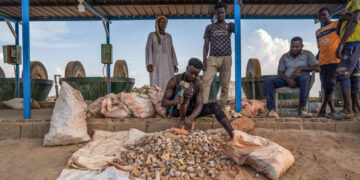
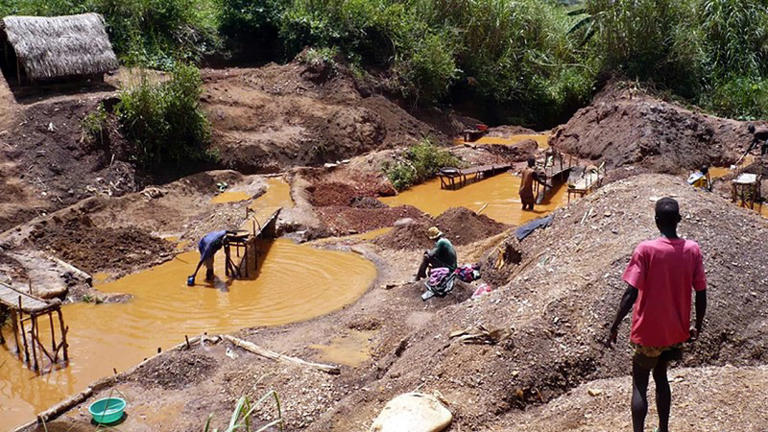
“The artisanal and small-scale gold mining sector is a vital livelihood for many rural communities, as well as an important economic driver for the country. In Zimbabwe, over 300,000 people work in artisanal gold mining, with the sector contributing to more than 40% of the country’s mineral exports,” the brief says.
But the environmental cost is high. A 2019 government report estimated that 96% of artisanal gold mine sites use mercury, resulting in more than 24 tonnes of mercury being released annually.
“Mercury is widely used as miners lack access to alternatives,” the project notes. The planetGOLD Zimbabwe project is calling for strengthened mercury reduction measures as part of the Mines and Minerals Bill 2025, in line with Zimbabwe’s international commitments.
Key Messages to Media
The project has urged the media to frame the story around solutions, not just problems.
“The artisanal gold mining sector is a critical livelihood source for some of the most vulnerable people in the country who have few or no alternatives. If properly supported, the sector has significant potential to contribute to Zimbabwe’s social and economic development.”
It adds, “The planetGOLD Zimbabwe project recognizes that due to limited economic opportunities or a lack of awareness about the dangers, many artisanal and small-scale mining operations use the highly toxic chemical mercury to extract their gold.”
The brief stresses collaboration: “Transformative change in the artisanal gold mining sector is a collaborative effort. By working together, we can ensure mining policies and practices for the sector are inclusive, rooted in the realities of miners.”
And it calls on journalists to play a constructive role: “While the sector is associated with significant problems, by highlighting promising solutions to the environmental and social challenges in the sector, the media can encourage fellow citizens, investors, and the government to rally around miners, helping to inspire a transition toward more responsible gold mining practices that are good for people and the planet.”