- Mutapa Gold Resources said CEO Trevor Barnard resigned on May 1.
- Patrick Maseva-Shayawabaya was appointed as the new chief executive.
- The company plans to expand output with $150m investment at Shamva and Jena mines.
MUTAPA Gold Resources (MGR) has announced a leadership change, with Trevor Miles Barnard resigning as chief executive officer effective May 1, 2026.
Board chairman Charles Chikaura said Barnard’s resignation was accepted and thanked him for his service. “Trevor, who was previously Kuvimba Mining House CEO, played a significant role in strengthening KMH as well as MGR’s strategic direction, driving growth and overseeing key projects,” Chikaura said.
Barnard had led MGR since its creation in February, when the Mutapa Investment Fund restructured Kuvimba Mining House into commodity‑specific units. Under his leadership, MGR unveiled plans to triple gold output to 300,000 ounces within six years, backed by US$150 million investments at Shamva and Jena mines.
The company did not disclose reasons for Barnard’s resignation.
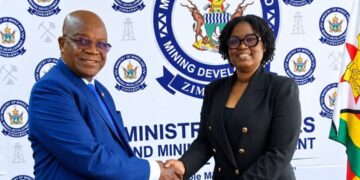
Patrick Maseva‑Shayawabaya, previously MGR’s chief finance officer and KMH head of the gold cluster, has been appointed substantive CEO. He is a veteran mining executive with more than three decades of experience across Zimbabwe and the SADC region.
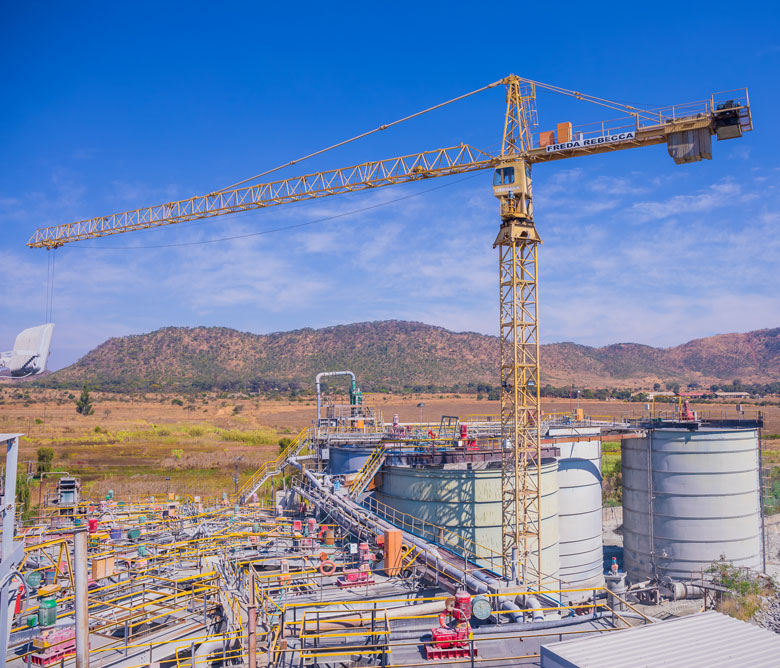
His career includes senior roles at Zimplats, Bindura Nickel Corporation, Shanta Gold, and Teichmann Group. He also served as managing director of Freda Rebecca, Zimbabwe’s largest gold producer.
Shayawabaya has pledged to continue expansion while integrating artisanal miners into formal operations. “Gone are the days when we used to have drones just to spot where the artisanal miners are so that we could chase them away. We now see them as partners,” he said at a graduation ceremony for 300 artisanal miners in Chegutu on April 30.
The new CEO said the initiative would improve safety, productivity, and environmental stewardship while replicating models at Elvington and Jena mines.
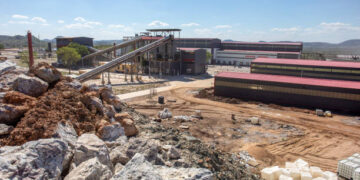
MGR operates Freda Rebecca, Shamva, and Jena mines, employing nearly 4,000 people. It remains a cornerstone of Zimbabwe’s sovereign wealth fund portfolio, which holds assets worth US$16 billion.