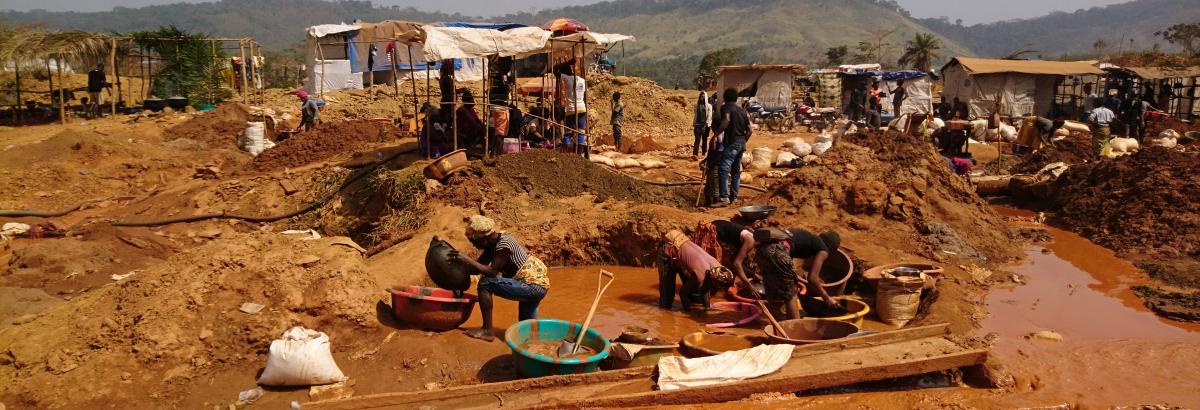
- Stakeholders want Zimbabwe’s new mining bill to better protect artisanal and youth miners.
- Speakers say the law should give small-scale miners legal rights and access to mining claims.
- Advocates call for training, licences and fair benefit-sharing for local miners.
STAKEHOLDERS in Zimbabwe’s mining sector are calling on the government to ensure that the Mines and Minerals Amendment Bill truly reflects the realities faced by the country’s mining industry.
These appeals were made during a Citizen and Stakeholders Dialogue hosted by Transparency International Zimbabwe.
Human rights advocate Tendai Nyamadzi said that the law should acknowledge and support artisanal and youth miners.
“The Bill must meaningfully recognise and support artisanal and youth miners, who form a significant part of Zimbabwe’s mining workforce yet often operate without adequate legal protection or representation,” Nyamadzi stated.
In Zimbabwe, there are hundreds of thousands engaged in artisanal and small-scale mining (ASM), especially in gold production.
The sector is believed to employ over 500,000 miners, according to data from the Zimbabwe Miners Federation and government sources.
Nyamadzi pointed out that the proposed legislation should create opportunities for young individuals involved in mining.
“Given the large number of young people involved in artisanal and small-scale mining, the law should introduce mechanisms such as reserved mining claims, youth mining blocks, or priority access to small-scale mining licenses for youth groups,” he suggested.
He also advocated for stronger legal protections for artisanal miners who uncover mineral deposits.
“Artisanal miners frequently discover mineral deposits but lose their rights when large investors enter,” Nyamadzi remarked.
“The law should introduce preferential rights for discoverers, equity participation opportunities, and benefit-sharing mechanisms with local miners and communities.”
Nyamadzi added that training and formalisation programmes could assist small-scale miners in operating legally and safely.
Such initiatives could also help to mitigate conflicts between small miners and larger mining companies.
Zimbabwe’s mining sector is a vital component of the economy, contributing over 12% to the country’s gross domestic product, according to government and industry reports.
Stakeholders say reforms to the mining law could improve transparency, strengthen community rights and support responsible mining.