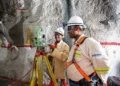
PLANETGOLD Zimbabwe has called on government, financiers and development partners to provide targeted financial support to artisanal and small-scale gold miners to help them move away from mercury use, citing serious risks to human health and the environment.
Mercury, widely used in informal gold processing, is highly toxic and has long been a concern for regulators and environmental groups across the mining sector.
The push for cleaner mining practices comes as other sectors also seek sustainable solutions to Zimbabwe’s structural challenges, including Mutare’s proposed mini-hydropower project on the Pungwe River, which the city says could ease power shortages by tapping local renewable energy sources.
The organisation said its Zimbabwe programme aims to support about 7,500 miners across 11 districts, with a target of reducing mercury use by an estimated 4.85 tonnes through improved access to finance, formalisation and adoption of alternative technologies.

“The planetGOLD Zimbabwe project aims to reduce the use of mercury in the artisanal and small-scale mining sector by supporting formalisation and increasing access to finance,” the organisation said in a statement. “This will lead to the adoption of mercury-free technologies and allow access to more responsible and traceable gold supply chains.”
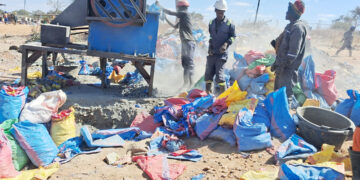
planetGOLD Zimbabwe said many artisanal mining operations continue to rely on mercury because of limited economic alternatives and low awareness of the chemical’s long-term dangers.
The programme also seeks to support vulnerable groups within the sector, including women, by promoting gender equality, access to finance, legalisation and integration into international markets.
While often associated with environmental and safety challenges, artisanal and small-scale mining plays a significant role in Zimbabwe’s economy, the organisation said.
More than 300,000 people are estimated to work in artisanal gold mining in Zimbabwe, with the sector contributing over 40% of the country’s mineral exports.
“The artisanal and small-scale gold mining sector is a vital livelihood for many rural communities, as well as an important economic driver for the country,” planetGOLD Zimbabwe said.
The organisation said greater support would allow the sector to contribute more sustainably to national development, particularly in communities with few alternative sources of income.
“If supported, the sector has significant potential to contribute to Zimbabwe’s social and economic development,” it said.
planetGOLD Zimbabwe called for a coordinated approach involving government, investors, civil society and the media to accelerate the shift away from mercury-based mining.
“Transformative change in the artisanal gold mining sector is a collaborative effort,” the organisation said. “By working together, mining policies and practices can be made inclusive and rooted in the realities faced by miners.”
The group also urged the media to play a role in raising awareness about responsible gold mining by highlighting mercury-free alternatives and available support, saying informed coverage could help drive broader adoption of safer practices.
The call comes amid growing scrutiny of mercury use in artisanal mining across the region, as countries seek to balance livelihoods with environmental protection and public health.