By Tanaka Tagara and Ian Chauke
DEEP within the earth, a story unfolds —
of hidden minerals and promised prosperity.
Yet how we extract these treasures will define not only our economies, but the world we leave behind.
Mining has long been a pillar of development. But today, it stands at a crossroads. The call is clear: progress must be guided by environmental, social and governance principles — ESG — not as a slogan, but as a compass.
Environmental stewardship must lead the way. Each blast, each excavation, carries consequences for land, water and ecosystems. Responsible mining demands foresight, mitigating harm, restoring landscapes and preserving nature so future generations inherit opportunity, not damage.
Social responsibility is equally fundamental. Mining does not exist in isolation; it operates alongside communities whose lives are directly affected. Engagement must be genuine, voices must be heard, and benefits must be shared. Development that excludes people is neither sustainable nor just.
Governance binds these commitments together. Strong frameworks, ethical leadership and transparency ensure accountability in every decision made. Where governance is weak, the cost is borne by workers, communities and the environment alike.
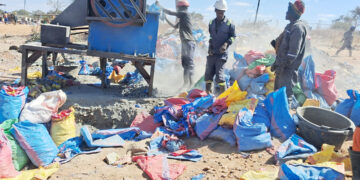
The mining industry has witnessed the consequences of neglect. Abandoned pits, polluted rivers and fractured communities stand as reminders of what happens when responsibility is sidelined. The challenge now is to learn from the past and do better.
Platforms such as Mining Indaba provide space for this reckoning. They allow industry leaders, policymakers and innovators to exchange ideas, confront hard truths and explore solutions that align profitability with responsibility.
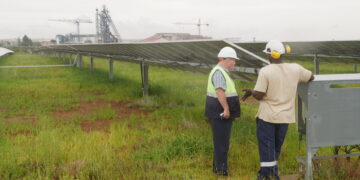
Technology and innovation offer real pathways forward. Renewable energy can power mines while reducing carbon footprints. Automation and data-driven systems can improve efficiency and safety. Smarter extraction methods can limit waste and environmental disruption.
People remain at the heart of this transformation. Diversity, equity and inclusion strengthen organisations, bringing fresh perspectives and resilience. A culture of safety, where zero harm is the standard, not the aspiration is essential for sustainable operations.
As global demand for minerals grows, so too does scrutiny. The future of mining will be shaped by how well the industry balances progress with restraint, growth with care.
That future is not abstract. It is being decided now, in boardrooms, at mine sites and within communities.
Mining with a conscience is no longer optional. It is the measure by which the industry will be judged, and the path toward a future where development and responsibility walk hand in hand.
Related: planetGOLD Zimbabwe’s push to help artisanal miners abandon mercury