
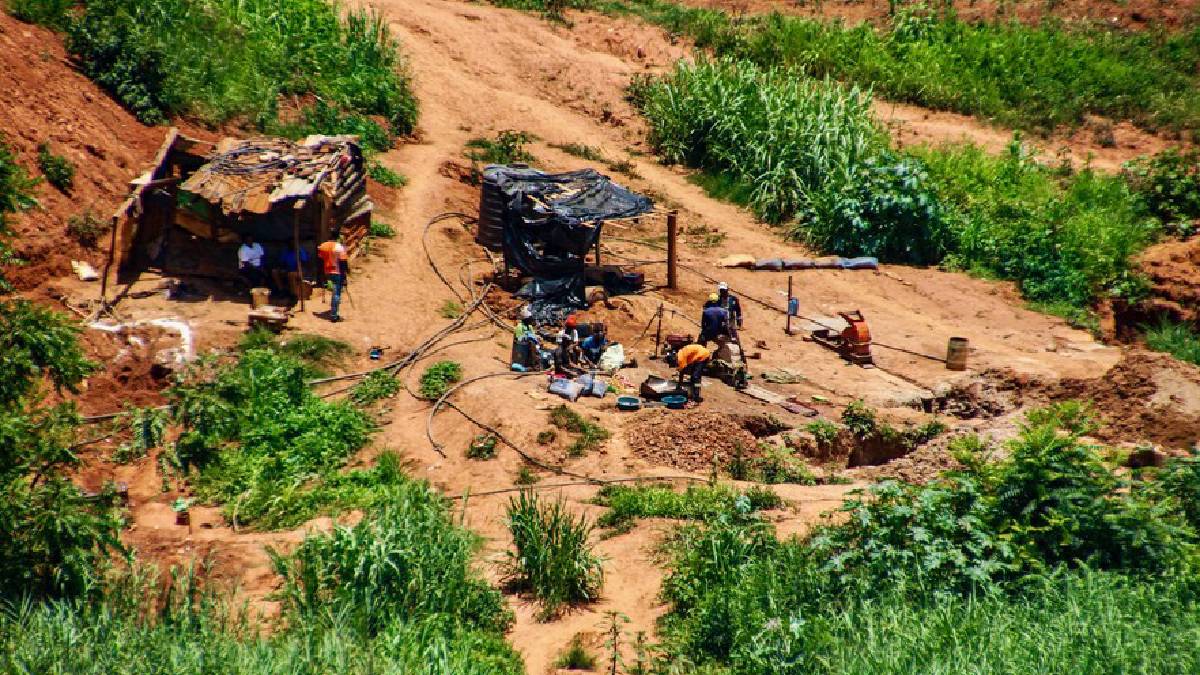
- Gold deliveries reached a record 46.7 tonnes in 2025, according to official figures.
- Small-scale miners supplied more than 70% of total output, reshaping the sector.
- Pricing reforms and revised royalty rules helped boost formal gold sales.
GOLD deliveries to Zimbabwe’s state buyer hit a record 46.7 tonnes in 2025, largely thanks to small-scale miners reacting to rising bullion prices and updated buying terms.
Fidelity Gold Refinery reported that small-scale and artisanal miners contributed 34.9 tonnes, while large-scale producers added 11.8 tonnes.
These numbers highlight a trend that’s been developing over the years, with small operators now making up over 70% of formal deliveries.
Gold continues to be Zimbabwe’s top foreign currency earner. According to the World Bank, mining accounts for more than 10% of the country’s gross domestic product and over 60% of its export earnings.
In 2025, Fidelity introduced spot-linked pricing for gold purchases, stating that this change would help miners receive payments that reflect current international prices.
“This shift ensures that our valued partners, from large-scale producers to small-scale miners, benefit by receiving the most current value for gold deliveries,” the refinery said in a public announcement.
Small-scale miners are represented by the Zimbabwe Miners Federation (ZMF), which has consistently emphasised that timely payments and competitive pricing are crucial to reducing informal trade.
Policy changes have also played a role in the production increase.
In December, Finance Minister Mthuli Ncube told Parliament that the 5% gold royalty would stay in effect for prices between $1,200 and $5,000 per ounce, while a 10% rate would kick in only above that threshold.
He added that small-scale miners would continue to pay lower royalty rates of up to 2%.
Large producers have expressed concerns about the potential impact of a proposed blanket increase to 10%. Caledonia Mining previously said that higher royalties would “negatively impact” profitability at its Blanket mine and hinder future expansion plans.
The production rise coincides with strong global bullion prices. The World Gold Council has noted that central bank purchases and geopolitical tensions have bolstered gold demand.
When prices rise, small-scale miners often ramp up their output, quickly responding to market signals.
Yet, the prevalence of artisanal mining brings up regulatory and environmental concerns.
The Zimbabwe Environmental Law Association has previously urged for better monitoring of small-scale operations, cautioning that insufficient oversight can result in land degradation and water pollution.
Energy shortages continue to be a significant hurdle. Zimbabwe produces about half of its peak national electricity demand, according to official figures, which forces many mines to depend on private power sources.
Analysts believe that sustained growth hinges on stable fiscal policy, dependable power, and ongoing trust in the official gold buying system.
Currently, data shows that Zimbabwe’s gold achievements are not solely due to deep industrial shafts, but can also be attributed to thousands of small producers whose collective output now supports the sector.











As artisnal miners , we’re dominating it’s all we can say.