- Higher diesel prices are lifting costs for gold and copper miners.
- Barrick’s gold production costs rose 17%, yet profits still grew.
- Antofagasta raised its copper cash cost guidance on diesel.
- Analysts warn the margin cushion could thin if metal prices fall.
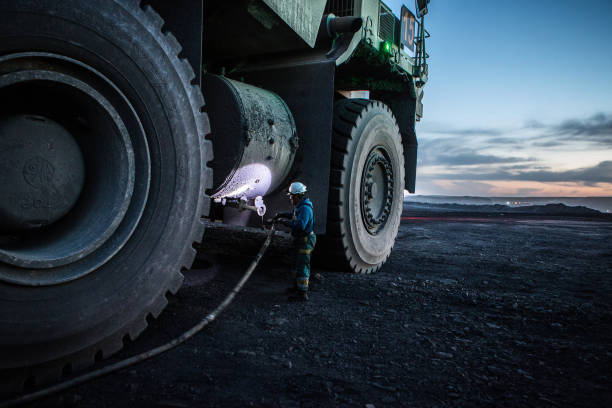
HIGHER diesel prices are lifting costs for gold and copper miners worldwide, and strong metal prices have so far kept profits intact, Mining.com reported.
Disruption in the Strait of Hormuz has pushed up energy prices globally, raising the cost of running mine fleets and moving metal to market, the report said.
Barrick said its gold production costs rose 17% this year, partly because of fuel, yet attributable adjusted EBITDA climbed 51% to $2.55 billion in the second quarter. Kinross reported a 25% rise in production cost of sales to $1,352 an ounce, while its margin still grew 42%.
Copper producers felt the pressure more sharply. Antofagasta raised its full-year copper cash cost guidance to $2.60 to $2.70 a pound, from $2.40 to $2.60, citing higher diesel prices. Capstone Copper’s second-quarter C1 cash costs rose 15% to $2.82 a pound, and at its Mantos Blancos mine they jumped 88% to $3.93.
Ivanhoe Mines said diesel added 18 cents a pound to costs at Kamoa-Kakula in Congo, yet the mine still generated $385 million in second-quarter EBITDA. Co-chairman Robert Friedland said the mine’s smelter acts as a “natural hedge.”
Newmont estimates that every $10 a barrel rise in oil adds $110 million, or $21 an ounce, to its production costs.
Analysts at TD Cowen warned in March that surging energy prices could lift all-in sustaining costs across the sector by 15% year on year. The World Gold Council has warned that miners‘ resilience may be tested now that gold has pulled back from its January peak, Mining.com reported.
Miners with by-product income or smelters can absorb more of the increase, while those without are more exposed if metal prices fall, the report said. TD analysts suggested companies could begin to consider fuel hedges.
In Zimbabwe, the Zimbabwe Energy Regulatory Authority set diesel at $1.87 a litre in its July 8 review, down from $2.09 in April, according to The Herald and Equity Axis. ZERA said government interventions continue to cushion consumers from global geopolitical developments.