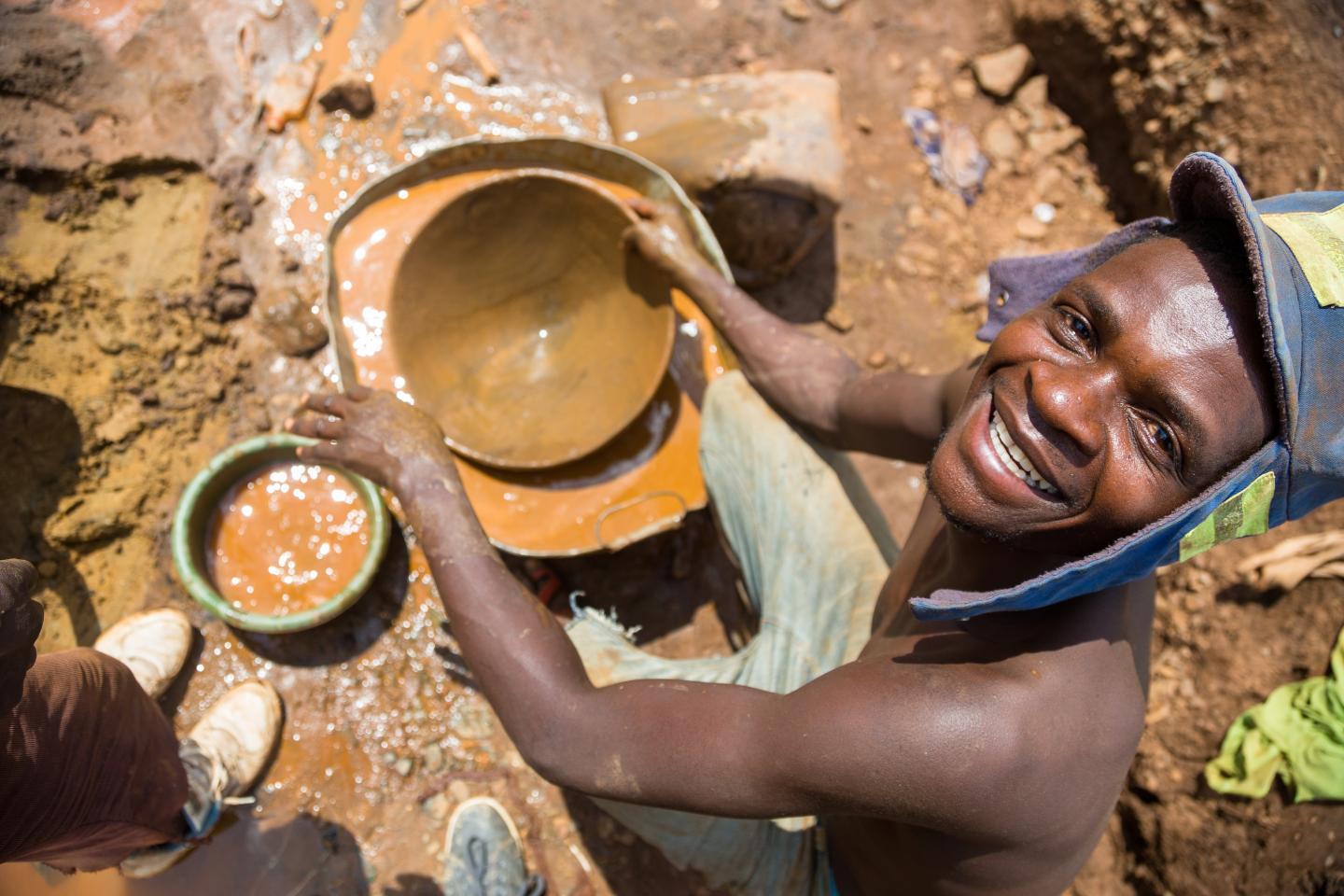
- Small-scale miners supplied nearly 70% of gold deliveries in Q1.
- Their share has stayed above 60% in recent years.
- Miners are pushing for lower fees and easier formalisation.
SMALL-SCALE miners supplied 6.51 tonnes of the 9.31 tonnes of gold delivered to Fidelity Gold Refinery in the first quarter of 2026, accounting for 69.92% of deliveries, Reserve Bank of Zimbabwe data shows.
Primary producers supplied the remaining 2.8 tonnes, according to the central bank’s quarterly economic review, which cites Fidelity Gold Refinery and the Ministry of Mines and Mining Development as its sources.
Zimbabwe Miners Federation chief executive Wellington Takavarasha said small-scale miners have supplied about 65% of gold to Fidelity since 2017 and expected the trend to continue.
“You are quite aware that small-scale miners have been producing plus or minus 65% of gold to Fidelity currently. This has been happening from 2017 to this current time. This trend is going to continue,” Takavarasha said.
The sector’s importance is also recognised in the government’s National Development Strategy 2 for 2026-2030, which says artisanal and small-scale mining supplied more than 60% of gold output during the previous strategy period.
The strategy says the sector remains largely informal and faces problems including unsafe working conditions, environmental damage and limited access to formal finance and technical support.
Takavarasha said the government had recognised the importance of artisanal and small-scale miners and was working to bring informal operators into the formal economy.
“We are quite aware that there are plenty miners that are on the illegal side, the informal side who have to be integrated into the main so that their operation or whatever they extract goes to benefit the government when they sell gold to Fidelity,” he said.
The government has identified support for small-scale miners as part of its mining strategy, including more gold service centres and measures to improve access to equipment and processing facilities.
The Ministry of Mines also lists support for small-scale miners through the Mining Industry Loan Fund and other financing initiatives among its planned interventions.
Takavarasha said local authority charges remained a concern for miners and called for standard fees across the country.
“The charges are quite high. There has been a lot of conflict in terms of Rural District charges,” he said.
The government has since approved a review of mining licences, permits, levies and fees charged by ministries, departments and agencies. Cabinet approved the review on May 5, 2026.
The government is also pursuing wider changes to the mining regulatory framework. The National Development Strategy says it is reviewing the mining framework to improve governance, increase beneficiation and ensure the country gains more from its mineral resources.
Takavarasha said small-scale miners would remain important to the country’s mining ambitions if they received the equipment, training and facilities needed to increase production.
The latest RBZ figures underline that role, with small-scale producers accounting for almost seven out of every 10 kilogrammes of gold delivered to Fidelity in the first quarter.