- Mines minister removes head of artisanal mining agency SAEMAPE.
- Decree says he failed to stop illicit mining inside other firms’ permits.
- About 300 Chinese nationals were detained around Kolwezi earlier this month.
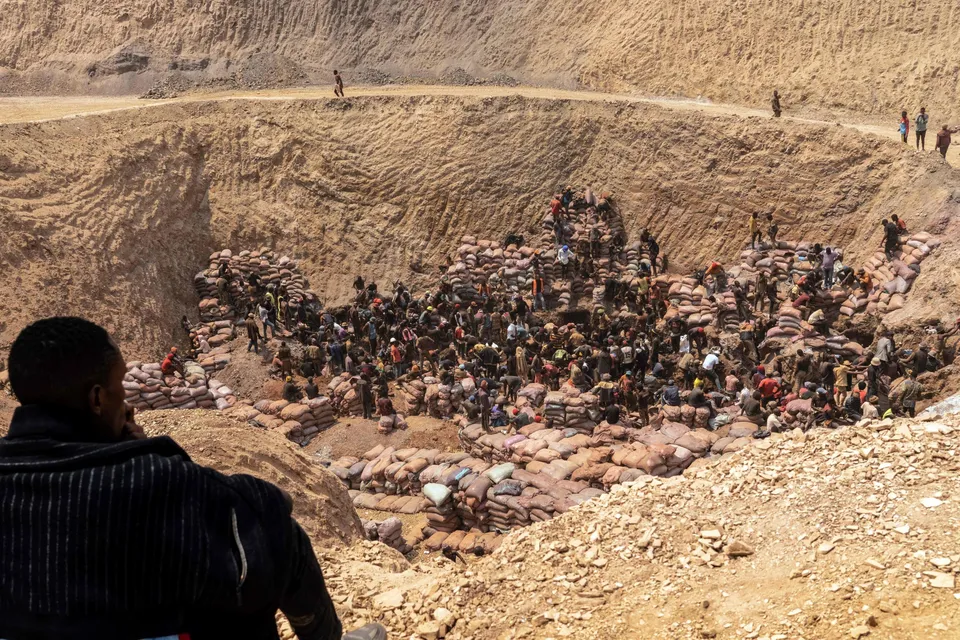
- More than 20,000 miners to move off Gecamines licence at Kamilombe.
CONGO’S mines minister has removed the head of the agency that oversees artisanal mining as the government tries to stop unauthorised digging on concessions held by international companies, Bloomberg reported.
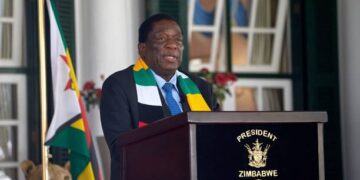
Minister Louis Watum dismissed Jean-Paul Kapongo Kadiobo as director general of the agency, known as SAEMAPE, on October 21. The order said he failed to prevent illicit artisanal mining inside permits assigned to other firms.
It also said he had irregularly placed SAEMAPE tax collectors in permits where artisanal miners were working without permission.
Kapongo Kadiobo did not immediately respond to calls and emails seeking comment, Bloomberg said. Local media reported that the agency’s provincial head in Lualaba, whose capital is Kolwezi, was also suspended.
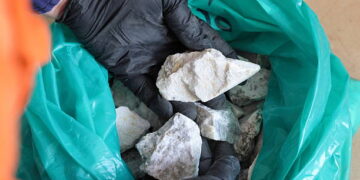
The dismissal came shortly after about 300 Chinese nationals working in Congo’s copper belt were detained, mostly around Kolwezi, people familiar with the matter said. They were held over alleged involvement in illegal mining on concessions belonging to other companies.
The Chinese embassy, Congo’s mining ministry, the immigration authority and the presidency did not respond to requests for comment at the time.
Last week, miners around Kolwezi blocked roads, burned tyres and clashed with police, according to local media reports.
Lualaba Governor Fifi Masuka said on October 21 that a multi-agency commission from Kinshasa had arrived in Kolwezi to “clean up our mining environment.” Its tasks include removing military presence from mining sites, auditing processing plants and moving artisanal workers to authorised areas, she said.
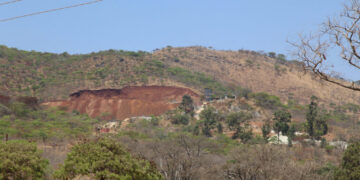
On October 23, the government agreed a deal for more than 20,000 miners to leave Kamilombe, a site inside a licence held by state-owned Gecamines, and move to a new area created for artisanal operations, Bloomberg reported.
Official figures show more than 200,000 people make a living digging cobalt and copper in southeast Katanga. Foreign companies including CMOC, Glencore and Zijin Mining produce most of Congo’s copper and cobalt, while artisanal miners often work inside their licences, sometimes protected by members of the armed forces.
A report last month by Belgium’s International Peace Information Service found the sector has become increasingly mechanised, with growing use of crushers and excavators largely driven by foreign investment.
Congo has roughly tripled copper output since 2015 and overtaken Peru as the world’s second-largest producer.