Government has called for a coordinated and collaborative approach to eliminate mercury use in artisanal and small-scale gold mining, saying awareness campaigns and enforcement alone will not solve the problem.
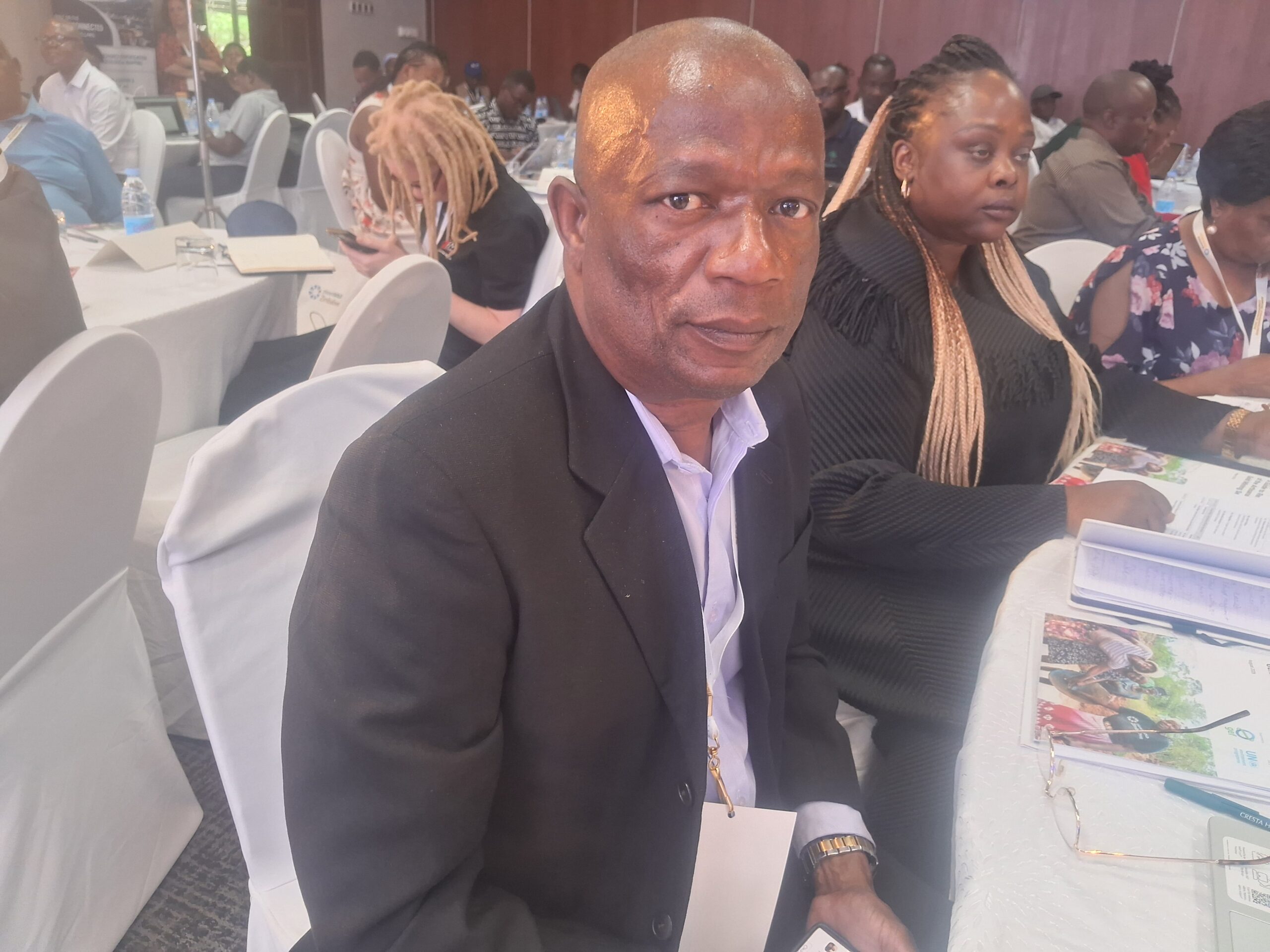
Speaking on behalf of the Secretary for the Ministry of Environment, Climate and Wildlife Simon Masanga at the planetGOLD Zimbabwe Annual Conference, Acting Director Environment Abhraham Matiza said Zimbabwe’s commitment to protecting human health and the environment was reaffirmed when it ratified the Minamata Convention in 2021.
In line with Article 7 of the Convention, Zimbabwe developed a National Action Plan to reduce and, where feasible, eliminate mercury use in artisanal and small-scale gold mining, he said.
“Our National Action Plan recognises that addressing mercury use requires more than awareness campaigns or enforcement alone. It calls for a coordinated approach that includes formalisation, eliminating harmful processing practices, reducing exposure to mercury, improving information for miners and communities, and promoting mercury-free technologies,” Matiza said.
He said the priorities require sustained collaboration across government, the mining sector, local communities and the wider gold supply chain.
Matiza said planetGOLD Zimbabwe has an important role to play, noting the project’s ambition to prevent the release of 4.85 tonnes of mercury and support 7,500 miners and other beneficiaries.
“However, our success must ultimately be measured not only by the quantities of mercury avoided, but also by the positive changes we achieve in mining practices, environmental management and community health,” he said.
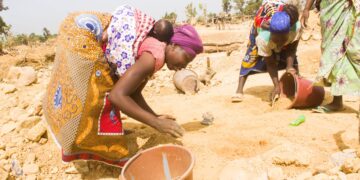
He warned that mercury pollution does not stop at the boundaries of a mining site, as it can affect rivers, soils, biodiversity and the health of people living far beyond the point of use, with women, children and other vulnerable groups facing greater risks.
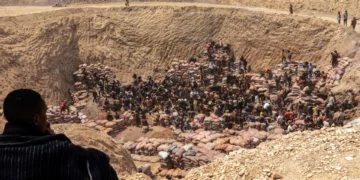
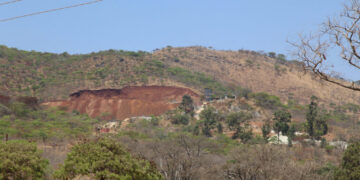
Matiza said the environmental consequences of poorly managed mining, including land degradation, deforestation and water pollution, also threaten natural resources upon which communities and future generations depend.
For this reason, he said, the Ministry encourages approaches that connect responsible mining with wider landscape governance, strengthening coordination between environmental authorities, mining regulators, local authorities, traditional leaders, conservation agencies and mining communities.
“Protecting the environment cannot be the responsibility of one institution alone,” he said.
Matiza stressed that lasting change will require viable alternatives, saying mercury-free technologies must be technically appropriate, accessible and economically attractive to miners.
He said access to finance, skills development, responsible gold markets and stronger institutional support can help make the transition practical and sustainable.
“Environmental compliance must be understood not simply as an obligation, but as an investment in safer communities, resilient ecosystems and a more responsible gold sector,” he said.
He urged participants at the conference to move beyond identifying problems and focus on agreeing on practical actions, clear institutional responsibilities and partnerships that can sustain results beyond the project period.
“We must also ensure that the experiences and voices of miners, particularly women, inform the solutions we develop,” Matiza added.