- Four authorised lubricant distributors have warned that counterfeit engine oils are causing costly engine damage in Zimbabwe.
- The companies say fake lubricants are often sold in reused branded containers and urge motorists to buy only from authorised dealers.
- The distributors are working with authorities and have called on the public to report suspected counterfeit products.
FOUR authorised distributors of international lubricant brands have warned motorists and businesses to be on the lookout for counterfeit engine oils, saying fake products are causing costly engine damage and putting vehicles at risk.
The warning came in a joint statement from TotalEnergies Zimbabwe, Braford Lubricants, the authorised distributor of Caltex lubricants, HP Lubes, the authorised distributor of Castrol, and FUCHS.
The companies said counterfeit lubricants have become an industry-wide problem and are no longer affecting one brand alone.
“The problem is not isolated to any single brand. It is a sophisticated, industry-wide crisis that threatens legitimate businesses and the Zimbabwean public,” the distributors said.
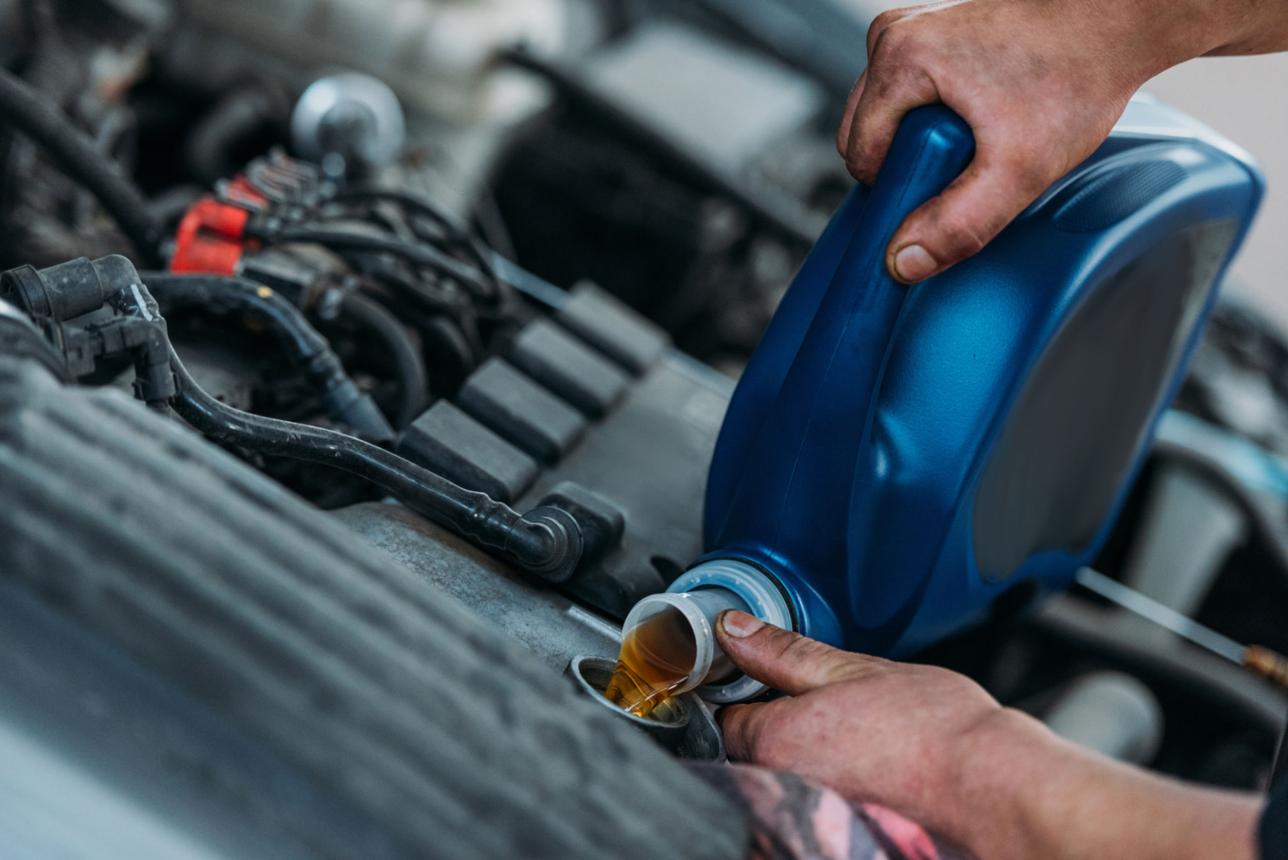
According to the companies, counterfeiters collect used branded containers, refill them with cheap oils and sell them as genuine products.
The distributors said the fake products are being sold to motorists, mechanics, transport operators and corporate customers who may not realise they are buying counterfeit lubricants.
They warned that fake oils often do not contain the additives needed to protect engines from heat, wear and corrosion.
Without those additives, engines can overheat, wear out faster and suffer serious mechanical damage, according to the companies.
Independent industry experts have issued similar warnings.
FUCHS Lubricants says counterfeit engine oils often use low-quality base oils and may not meet the viscosity or performance standards required by vehicle manufacturers. The company says they are also less likely to undergo the testing and quality checks required for genuine lubricants.
The Zimbabwean distributors said unsuspecting motorists and businesses could end up paying thousands of dollars in avoidable repair costs.
They also warned that counterfeit products create unfair competition because illegal traders avoid taxes, quality controls and other regulatory requirements.
The problem extends beyond Zimbabwe.
INTERPOL says organised criminal groups manufacture and distribute a wide range of counterfeit goods, including vehicle parts and engine components, putting consumers at risk and undermining legitimate businesses.
Several lubricant manufacturers have also stepped up anti-counterfeit measures in other African countries.
In Tanzania, TotalEnergies introduced a QR code system that allows customers to check whether lubricant products are genuine after authorities carried out operations against counterfeit goods. The company said it has been working with government agencies there since 2024 to identify fake lubricants.
The Zimbabwean distributors said they are working with regulators and law enforcement agencies to identify people involved in manufacturing, importing and selling counterfeit lubricants.
They did not identify any suspects or provide figures on how much the trade is costing Zimbabwe.
There are also no recent public figures showing how many counterfeit lubricant cases have resulted in arrests or prosecutions in the country.
The companies urged motorists to buy lubricants only from authorised dealers, branded service stations and recognised retailers.
They also advised buyers to check that containers have unbroken tamper-proof seals, clear labels, batch numbers and production dates.
Price can also be a warning sign, they said.
“If a premium oil brand is being sold at a price that seems too good to be true, it is almost certainly a counterfeit,” the statement said.
The distributors urged anyone with information about counterfeit lubricants to report it to the Zimbabwe Republic Police or authorised brand representatives.
“Your vigilance is our strongest weapon,” the companies said.