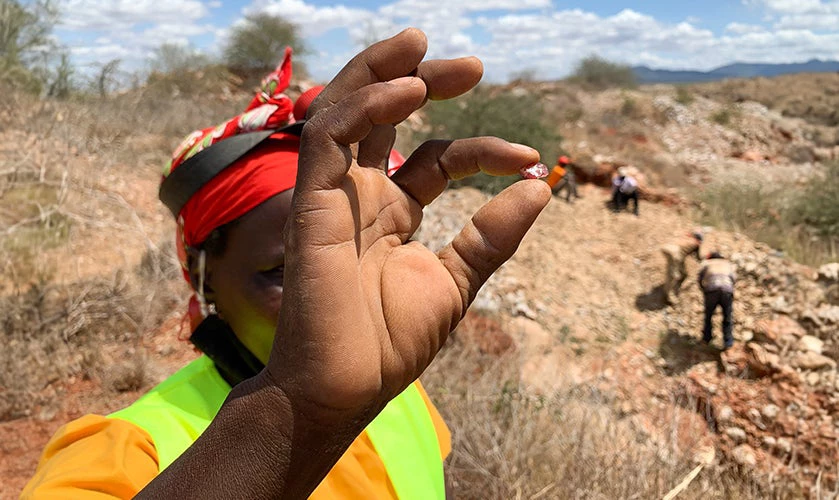
- ZASWMA has launched its 2026-2030 strategic plan.
- The plan focuses on formalisation, finance, safety and environmental stewardship.
- Government says women miners need better access to mining opportunities.
THE ZIMBABWE Artisanal and Small-Scale Women Miners Association (ZASWMA) has launched its Strategic Plan for 2026-2030, setting out priorities to support women miners through formalisation, financial inclusion, safer workplaces and stronger environmental practices.
The strategy was launched during a workshop held alongside Mine Entra 2026 in Bulawayo.
Women Affairs, Community, Small and Medium Enterprises Development Permanent Secretary Dr Mavis Sibanda said the plan reflected ZASWMA’s commitment to improving the lives of women working in artisanal and small-scale mining.
In a speech read on her behalf by Chief Director for Gender and Women Affairs Lillian Matsika, Dr Sibanda said the strategy showed “ZASWMA’s unwavering commitment to promoting the advancement, protection, and empowerment of women in artisanal and small-scale mining through advocacy, capacity building, and strategic partnerships.”
The five-year plan is built around five strategic pillars. They include helping women miners obtain mining titles, improve legal compliance, expand access to finance, strengthen workplace health and safety, increase women’s participation in policy-making and promote responsible environmental management.
Dr Sibanda said many women miners still struggle to access land, finance and markets despite their growing role in Zimbabwe’s mining industry.
“Many women miners continue to face barriers, including limited access to mining titles, finance, markets, appropriate technologies, occupational health and safety services, and meaningful participation in decision-making processes,” she said.
She also said the strategy was developed through consultations with women miners from different parts of the country.
“I commend the Association for undertaking an inclusive consultative process that ensured the voices, aspirations, and experiences of women miners across Zimbabwe are reflected in this important document,” she said.
The government said partnerships between the public sector, private companies, financial institutions and development organisations would be important to help implement the plan.
“Together, we can create an enabling environment where women miners are safe, productive, prosperous, and fully recognised for their contribution to national development,” Dr Sibanda said.
The strategy comes as Zimbabwe continues to encourage the formalisation of artisanal and small-scale mining while improving safety, environmental management and access to finance across the sector.
ZASWMA has not yet announced detailed implementation timelines, funding arrangements or targets for measuring progress under the five-year strategy.