- Field visits are shifting ASGM coverage from crime to livelihoods.
- Newsrooms should use precise language, show the value chain and quote miners.
- Many miners are unregistered, not illegal by intent, he says.
- Tours improved accuracy, balance and impact of coverage, he says.
MEDIA field visits to mining sites are shifting coverage of artisanal and small-scale gold mining (ASGM) away from criminalisation and toward a livelihoods-based narrative, ZiMining Managing Editor Kundai Chidamba said.
Chidamba spoke at the planetGOLD Zimbabwe Annual Stakeholders Conference 2026 in Harare. He said the media tours changed how ZiMining’s newsroom covers the sector.
“For ZiMining, the media tours changed the story completely,” he said.
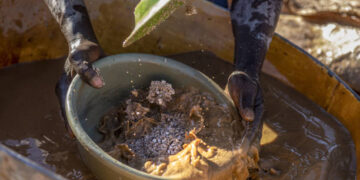
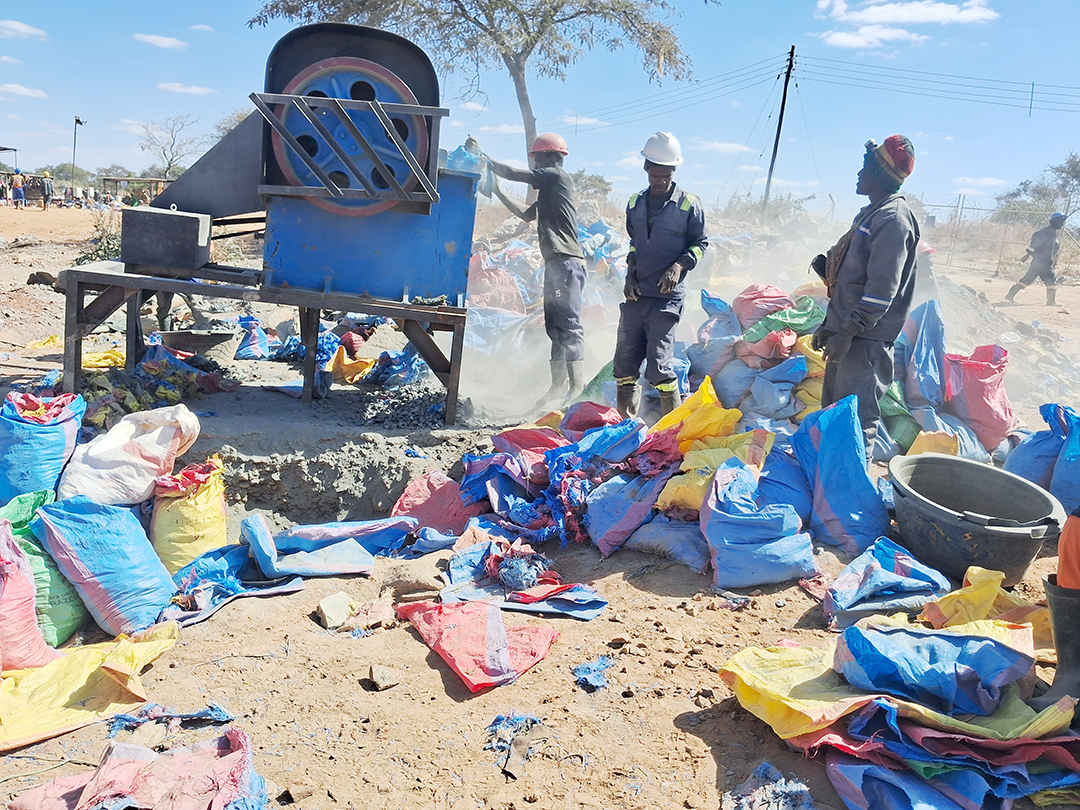
Before the tours, most of the newsroom understood ASGM mainly through statistics, press releases and often enforcement operations, he said. After sitting with miners at G-Zone and Gadzema and seeing how they pan, manage tailings and how women miners organise themselves, he said the sector looked different.
“This is not a criminal economy,” Chidamba said. “It is a livelihood economy that needs systems.”
He said the tours close the trust gap between journalists and mining communities. Miners open up about their challenges when a journalist comes to understand their work rather than to expose them, he said.
Those challenges include a lack of formal claims, of mercury-free equipment and of fair financing.
For the wider public, stories showing miners trying to mine safely, formalise and protect nearby rivers shift the narrative from “makorokoza destroying the environment” to “miners seeking a responsible pathway,” he said. Makorokoza is a Shona term for informal gold miners.
Chidamba said newsrooms must change three habits to report accurately without criminalising miners.
The first is language. Terms such as “illegal miners”, “gold panners” and “makorokoza” are often used blanketly, he said, but many miners are unregistered rather than illegal by intent, working in a system where formalisation is still difficult. “Precision is not softening the story, it is accurate journalism,” he said.
The second is to show the full value chain, not just the pit. He said journalists should ask who finances miners, where they sell and what equipment they lack.
Reporting environmental damage without explaining why miners still use mercury, because alternatives are too expensive or unavailable, stereotypes miners and misses the systemic failure, he said.
The third is to let miners speak. Many stories quote police, the Environmental Management Agency and ministry officials but not miners, he said. Women and young miners are often invisible in coverage.
Chidamba said taking journalists to the ground has three benefits: accuracy, balance and impact.
On accuracy, he said reporters cannot cover mercury-free processing properly if they have never seen a shaking table, a retort or a mercury-free demonstration site. “Seeing is understanding,” he said.
On balance, he said journalists on the ground see both the effort to mine responsibly and the real environmental pressure, which makes stories “fair, not promotional and not condemnatory.”
On impact, he said stories from the planetGOLD media tours were shared in mining communities, where miners said: “This is how we want to be seen.” Communities that feel accurately represented are more open to reform messages such as formalisation, financing and new technology, he said.
“Taking journalists to the ground moves ASGM coverage from stigma to solutions,” Chidamba said.
planetGOLD Zimbabwe aims to support 7,500 miners in 11 districts and cut mercury use by 4.85 tonnes. Artisanal and small-scale miners account for about 75% of Zimbabwe’s gold output, project officials said.