- Women miners face barriers to cleaner gold processing.
- Finance and equipment access are key challenges.
- planetGOLD Zimbabwe is promoting mercury-free mining.
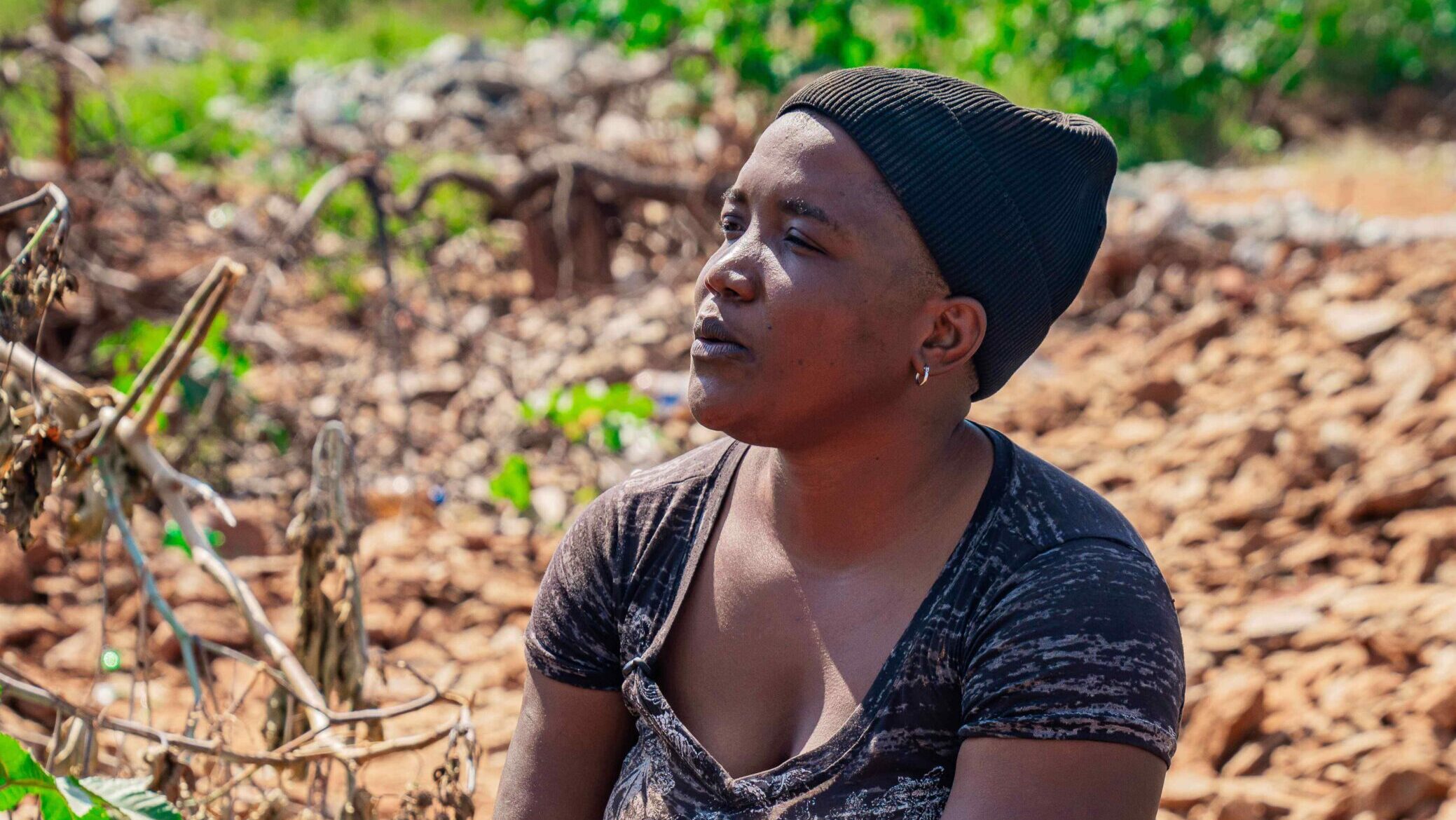
WOMEN miners need better access to finance, equipment and formal markets if Zimbabwe is to reduce mercury use in artisanal and small-scale gold mining, planetGOLD Zimbabwe project manager Nyaradzo Mutonhori said.
“If mercury gives immediate cash today while a mercury-free plant requires capital, electricity, technical knowledge and processing time, many women will choose mercury … because it is the only available business model,” she said.
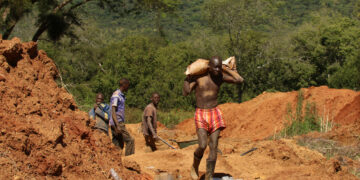
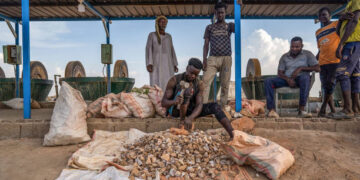
Zimbabwe’s artisanal and small-scale gold mining sector supports more than 300,000 people, while more than 96% of mine sites use mercury, according to planetGOLD Zimbabwe. The project says women are particularly exposed because many work in processing and gold washing.
The planetGOLD Zimbabwe project is working to reduce mercury use, improve formalisation and expand access to finance for cleaner processing methods across 11 districts in the country’s eight mining provinces. It aims to support about 7,500 miners, including 30% women, and prevent 4.85 tonnes of mercury emissions over the project cycle.
Mutonhori said the programme’s success should not be measured only by the number of mercury-free processing machines installed.
“We do not measure success only by the number of mercury-free technologies installed,” she said. “We look at whether those technologies improve profitability, increase women’s control over mining income, reduce financing risk, and enable women miners to participate in formal responsible gold markets.”
The project is also encouraging women to become equipment owners and processing service providers rather than relying solely on equipment owned by other miners.
“Imagine women operating centralised processing centres serving multiple miners. That changes power dynamics inside the value chain,” Mutonhori said.
Zimbabwe has begun assessing sites for mercury-free processing centres. In May, government officials, the Environmental Management Agency and planetGOLD visited mining operations in Mazowe and Chiweshe to assess the viability of establishing such centres.
The programme has also identified Waterwitch Mine in Bubi District as one of the sites being assessed as part of its mercury-reduction work.
Access to finance is another focus of the programme. A planetGOLD national dialogue held in Harare in July was attended by government, financial institutions, miners and development partners to discuss financing for formalised artisanal and small-scale mining.
Mutonhori said miners should keep production and financial records and consider working through registered groups or cooperatives to share equipment costs.
“Financial institutions are increasingly interested in understanding a miner’s production history, not just traditional collateral. Good records demonstrate that a mining enterprise is viable,” she said.
planetGOLD says its Zimbabwe project is working to improve access to finance and traceable gold markets as part of the move towards mercury-free production.
Mercury remains attractive to many small-scale miners because it is relatively cheap, readily available and simple to use. The World Health Organization says mercury exposure can harm the nervous, digestive and immune systems and damage the lungs, kidneys, skin and eyes.
The health risks are particularly relevant to women involved in gold processing. planetGOLD says women in Zimbabwe face higher exposure because of their involvement in processing and washing activities.
Mutonhori said financing models need to reflect how artisanal mining businesses actually earn money.
“The question should not be whether ASGM is financeable,” she said. “The question is how we design financing products that reflect the realities of mining while rewarding responsible production.”
The planetGOLD project began in Zimbabwe in 2024 and is being implemented with government and other partners to reduce mercury use and improve the formalisation and financing of the artisanal and small-scale gold sector.