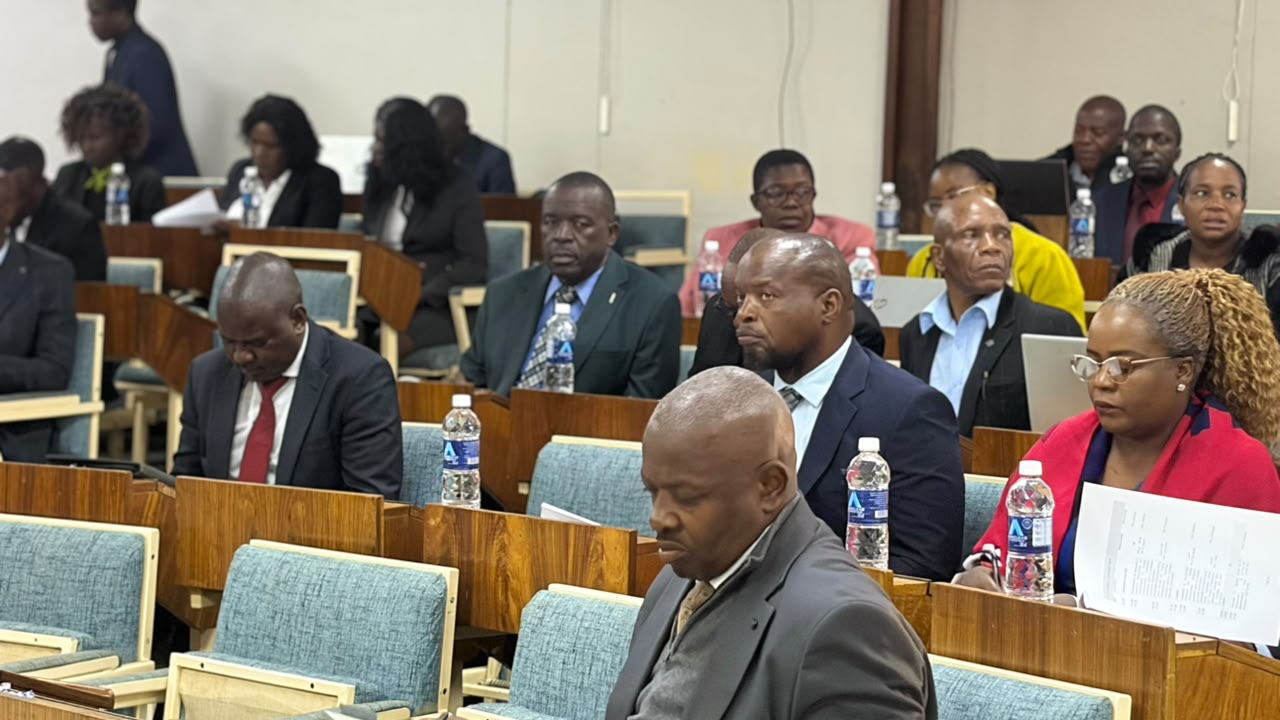
The Ministry of Mines and Mining Development has opened its 2026 Mid-Term Performance Review with a call for candor, as officials acknowledged both strong gains in service delivery and lagging targets in training, inspections and resource support.
Mines and Mining Development Secretary Dr. Thomas Utete Wushe said the three-day workshop was convened “at a pivotal moment in implementing our 2026 Annual Plan,” held under the theme “Accelerating Value Addition and Beneficiation for Economic Transformation.”
“This workshop serves a dual purpose, first, a candid review of our first-half 2026 performance against our four programme outcomes improved governance and administration, enhanced mining sector growth, improved environmental protection, and enhanced mining sector Investment climate,” Dr. Wushe said. “Second, and more importantly, using these insights to reset focus, realign resources, and develop realistic catch-up plans to close the year strongly.”
He linked the agenda directly to government policy, noting the Ministry’s work is “firmly anchored in NDS2 and Vision 2030, which position mining as a key driver of inclusive economic growth.”
The Ministry’s stated Vision, Dr Wushe said, remains “a stable and sustainable mining industry by 2030,” with a mission to “promote responsible exploration, extraction, beneficiation, value addition, and marketing of our mineral resources.”
Dr. Wushe said there was notable reported rise in public satisfaction with ministry services.
“Our Client Satisfaction Index rose to 71.6%, surpassing the mid-year target of 44% and well above the 2025 baseline of 37% — a testament to our frontline officers’ professionalism and ethical conduct,” he said.
Dr Wushe said the capacitating of the Metallurgical Laboratory towards ISO 17025 accreditation was progressing well.
However, he urged delegates not to gloss over shortcomings.
“SHE training, mercury abatement outreach, national inspection rollouts, and fleet/ICT servicing have lagged, largely due to logistical and resource constraints rather than effort.
“That is precisely why we have set aside these three days, to confront these gaps openly and agree, as one Ministry, on the interventions and resources needed to close them in the second half,” Dr. Wushe said.
He challenged directors and programme heads to use the workshop for practical planning rather than general discussion. “As we move into outcome presentations and group discussions, I urge you to engage with candour and purpose — interrogate the figures honestly, listen across programmes, and leave with catch-up plans that are specific, owned by named individuals, and matched to realistic timelines and budgets. Let us reconvene at year-end with confidence.”
Dr. Wushe also acknowledged the role of industry and regulatory partners in supporting the sector’s work.