Zimbabwe must move beyond exporting concentrates and treat beneficiation as a full value chain, Mines and Mining Development Minister Dr. Eng. Polite Kambamura has said, warning against mistaking early processing for industrialisation.
Speaking at the 2026 Mid-Term Strategic Planning Review Workshop in Kadoma, Dr. Kambamura said “central to the second-half agenda is beneficiation.”
“A mineral buried beneath the ground is not yet wealth; it is potential. Ore brought to the surface is not yet industrialisation; it is an opportunity. Even concentrate exported across our borders is not the final measure of progress,” he said.
“Beneficiation must be understood as a ladder, running from raw ore through concentration, smelting, refining and chemical conversion to component manufacture and finished products. We must not confuse the first rung with the destination.”
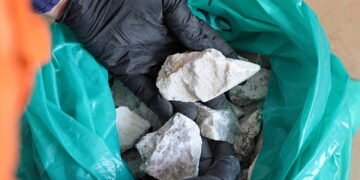
Dr Kambamura used lithium and chrome to illustrate the gap.
“Lithium sulphate is an important advance beyond concentrate, but it is not yet a battery. Ferrochrome is more valuable than chrome ore, but it remains an input into stainless steel. A steel billet is not yet a railway wagon,” Dr. Kambamura said.
Referencing the February 2026 ban on raw mineral exports, Dr Kambamura said the Ministry was the “custodian of that decision” and pointed to projects already underway.
“At Manhize, iron ore, coking coal, limestone, ferroalloys, power and steel production are being integrated into a single industrial chain. The Arcadia lithium sulphate plant, the first of its kind on the continent, delivered our first shipment of locally produced lithium sulphate in April 2026, while Kamativi and Sinomine Bikita are constructing their own plants,” he said.
Dr. Kambamura said value addition was a key priority.
“The Ministry must continue to enforce the ban on the export of raw base minerals, take heed of the 1 January 2027 deadline from which all lithium producers should be exporting lithium sulphate, and monitor mining houses against the plans they submitted to us,” he said.
“Our local content work must convert mine procurement into sustained demand for Zimbabwean manufacturers — genuine value created here, not merely a local address on an invoice.”
Dr Kambamura said the country remains underexplored.
“Much of Zimbabwe remains underexplored by modern standards, particularly beneath cover, at depth and for minerals earlier generations did not regard as strategic.”
He said the high-resolution national airborne geophysical survey and digitisation at the Zimbabwe Geological Survey “must rebuild that knowledge,” and stressed that “artificial intelligence and drones will not replace the geologist; they will let our geologists work at a speed no team could achieve unaided.”