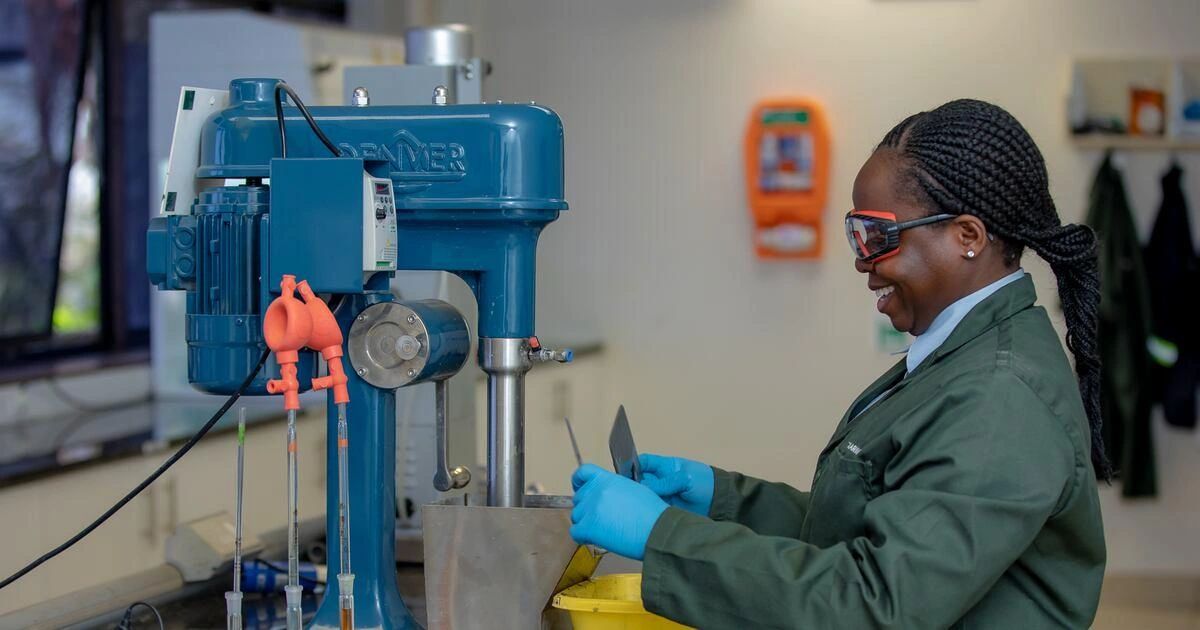
Metallurgy is fundamental to industrial development, technological advancement and economic growth. From the mine to the smelter, from the steelworks to advanced materials manufacturing, it determines how industries extract, process, develop and utilise materials.
Yet for decades, it has remained a predominantly male-dominated profession, particularly in industrial operations, production and technical leadership.
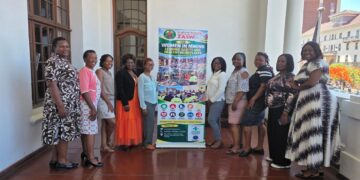
That history is changing, but not fast enough, and not deeply enough, according to Siboniso Deborah Tshuma, Founder of African Women & Young Generation Empowerment Trust(AWYGET) in focus, who says the sector must move beyond visibility towards meaningful participation.
In a reflection titled “WOMEN IN METALLURGY: BEYOND REPRESENTATION – TOWARDS MEANINGFUL INCLUSION”, Tshuma argues that as more women enter these specialised fields, a harder question must be asked.
“Are we genuinely creating opportunities for women’s participation, professional development and recognition within the metallurgical sector?” she asks.
Tshuma says inclusion goes beyond employing women in laboratories, processing plants, steelworks and manufacturing facilities. It means providing equal access to technical training, industrial exposure, mentorship, career progression and leadership opportunities.
Metallurgy influences critical industrial outcomes — from mineral recovery and process optimisation, to steel composition, casting and rolling operations, material development and manufacturing, welding quality and structural integrity, corrosion prevention and equipment reliability, and recycling and sustainable resource utilisation. These contributions, she notes, directly influence industrial productivity, infrastructure and economic development.
However, women still encounter persistent barriers.
“However, women may still encounter barriers such as unequal access to industrial attachments, gender stereotypes, limited mentorship and inadequate representation in technical and leadership positions,” Tshuma said. “We must move beyond visibility towards meaningful participation.”
For Tshuma, the solution is not to lower the bar, but to make the playing field fair.
“Women do not need different standards of technical competence. They need fair opportunities to develop, demonstrate and have their expertise recognised,” she said. “The future of metallurgy should be defined by knowledge, competence, innovation and contribution, not gender.”
She frames it as more than a Zimbabwean or African issue. It is a global conversation that requires attention from employers, professional institutions, educational establishments and industry leaders.
“This is not merely a conversation for one country or industry. It is a global conversation that requires attention from employers, professional institutions, educational establishments and industry leaders,” Tshuma said. “Women are not simply entering metallurgy; they are contributing to its advancement. Their participation, expertise and potential deserve recognition.
“Inclusion builds a stronger metallurgical industry.”