HOME to Africa’s largest lithium reserves and the world’s fifth largest, Zimbabwe is emerging as a potentially influential player in the global shift toward clean energy technologies.
Lithium is a critical mineral for energy storage, electric vehicles and decarbonisation efforts. Its growing importance has heightened interest in Zimbabwe’s deposits as demand accelerates worldwide.
The country hosts several major lithium mines, including Prospect, Bikita, Sabi Star, Zulu and Kamativi. These operations are expected to play a significant role in meeting rising global demand.
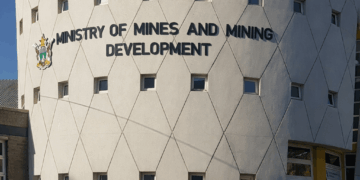
Zimbabwe’s lithium sector involves a broad range of stakeholders, from government agencies and private companies to local communities. The Ministry of Mines and Mining Development oversees mining activities and policy compliance, while the Chamber of Mines of Zimbabwe represents industry interests and promotes best practices.
Private companies, including foreign investors from China, are heavily involved in exploration and extraction. Their participation has brought capital and technical expertise, but also raised concerns about local benefits.
Communities in mining areas such as Bikita and Buhera face both opportunities and disruption. While mining can stimulate economic activity and infrastructure development, it has also been linked to environmental degradation, including deforestation, water pollution and habitat loss.
Social concerns remain prominent. Studies indicate limited local employment, displacement of communities and the loss of ancestral lands, with women often underrepresented in skilled and decision-making roles.
Global demand for lithium has surged as countries pursue net-zero emissions targets. The mineral is essential for electric vehicles and renewable energy storage systems.
Zimbabwe’s reserves could potentially supply up to 20% of global lithium demand, according to industry estimates. This has positioned the country as an attractive destination for foreign investment.
The government has identified lithium as a strategic mineral under its National Development Strategy 1. The policy framework aims to attract investment, build local skills and promote value addition to support the country’s goal of becoming an upper-middle-income economy by 2030.
As Zimbabwe seeks to move beyond raw mineral exports, policymakers and industry players are increasingly emphasising standards, quality control and downstream industrial capacity. Recent developments in the steel sector, including international certification for locally produced materials, underscore the role that compliant, value-added manufacturing can play in supporting mining-led industrialisation and regional trade.
If effectively managed, lithium production could significantly boost export earnings and create employment. However, the sector continues to face operational challenges.
Mining companies cite inadequate infrastructure and policy uncertainty as key constraints. China’s Sinomine Resource Group has previously flagged these issues as factors affecting profitability.
In response, the National Railways of Zimbabwe has opened its freight network to private operators in an effort to improve mineral transportation and increase cargo volumes.
Analysts say Zimbabwe’s lithium reserves offer a rare opportunity to support global clean energy goals while driving domestic economic growth. Realising that potential, however, will depend on balancing investment with environmental protection, social inclusion and policy stability.