- planetGOLD conference set for Harare on Oct. 28-29.
- Focus on formalisation, finance and mercury-free mining.
- Stakeholders to discuss practical solutions for ASM sector.
- Conference to launch ASGM formalisation guide.
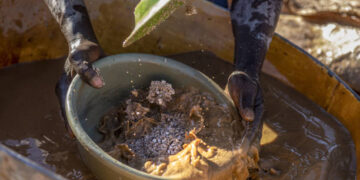
ZIMBABWE’S artisanal and small-scale gold mining sector must improve formalisation, access to finance and adoption of mercury-free processing technologies to ensure its long-term sustainability, a planetGOLD Zimbabwe official said ahead of an industry conference this week.
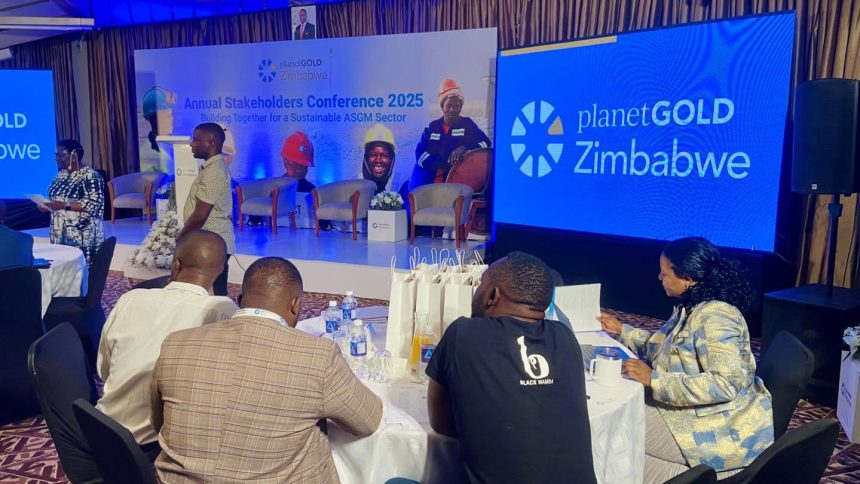
The planetGOLD Zimbabwe Annual Stakeholders Conference will be held on Oct. 28-29 in Harare under the theme, “Unlocking Responsible Gold in Zimbabwe: Formalization, Financing, and Technology for a Mercury-Free ASGM Sector.”
The conference comes as Zimbabwe seeks to strengthen environmental and health safeguards in artisanal and small-scale gold mining while improving livelihoods and productivity across the sector.
“Responsible gold mining requires more than extracting gold,” planetGOLD Zimbabwe Artisanal and Small-Scale Gold Mining Technical Specialist Mollin Siwella told a media briefing.
“It requires systems that enable miners to operate legally, safely, profitably, and in ways that protect people and the environment.”
The conference will bring together government agencies, miners, development partners, financial institutions, technical experts and civil society organisations to discuss challenges and opportunities facing the sector.
Siwella said discussions would focus on three interconnected areas: formalisation, financing and technology.
She said formalisation should provide practical pathways for artisanal and small-scale miners to operate legally and access support services, rather than being viewed solely as a regulatory requirement.
Access to financing remains critical for miners seeking to invest in safer equipment, improve productivity and adopt mercury-free processing methods, she said.
On technology, Siwella said alternative gold processing systems must be technically appropriate, economically viable and practical for miners to operate and maintain.
She said progress depended on advancing all three areas simultaneously.
“Technology without financing may remain inaccessible, and financing without responsible operating practices may not deliver lasting benefits,” she said.
planetGOLD Zimbabwe is a five-year initiative funded by the Global Environment Facility, led by the United Nations Environment Programme and implemented by IMPACT in partnership with Zimbabwe’s ministries responsible for mining and the environment.
The project aims to reduce mercury use in artisanal and small-scale gold mining while improving the health and livelihoods of mining communities.
In Zimbabwe, the programme plans to support 7,500 miners across 11 mine sites, reduce mercury use by 4.85 tonnes over five years and improve management of about 76,000 hectares of land.
Among the conference highlights will be the launch of a publication on reforming formalisation of Zimbabwe’s artisanal and small-scale gold mining sector, discussions on mercury-free processing technologies and financing mechanisms for responsible mining enterprises.
Participants will also examine skills development, responsible mining practices and approaches to managing artisanal mining activity in environmentally sensitive areas, including Umfurudzi National Park.
Siwella said the success of the conference would ultimately be measured by its contribution to stronger partnerships, better policy decisions and practical improvements in mining operations.