- Zimbabwe earned about US$5.73 billion from mineral exports in the first half of 2026.
- Small-scale miners delivered 70% of the country’s gold output.
- The Mines Minister ordered action to clear policy and mining title backlogs.
ZIMBABWE earned about US$5.73 billion from mineral exports in the first half of 2026, with small-scale miners delivering 70% of the country’s gold, but Mines and Mining Development Minister Dr. Eng. Polite Kambamura says the Ministry must urgently clear policy and administrative backlogs.
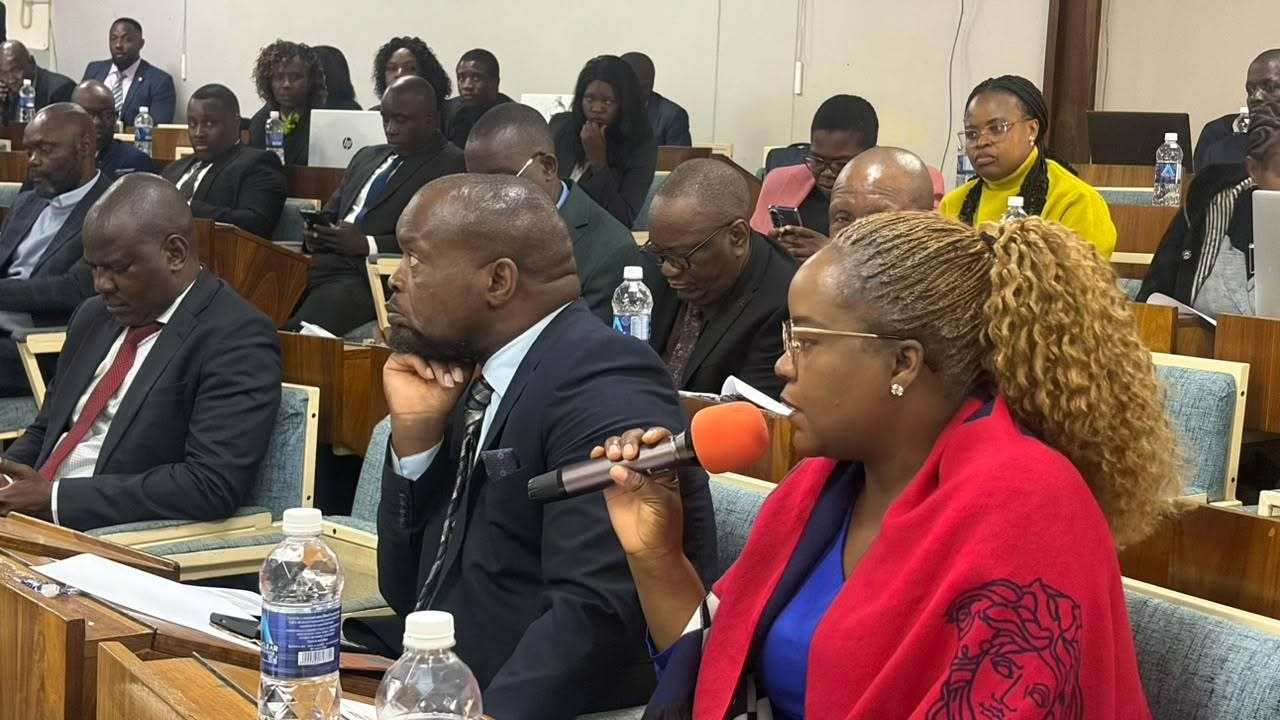
Speaking at the Ministry’s 2026 Mid-Term Performance Review and Second Half Reset Workshop in Kadoma, Kambamura said the meeting was meant to improve delivery rather than celebrate achievements. The workshop is being held under the theme “Accelerating Value Addition and Beneficiation for Economic Transformation.”
“This gathering gives us the platform to account for our performance during the period under review, to name our challenges and risks honestly, and, most importantly, to reset our priorities for the second half of the year so that we remain firmly on course,” Kambamura said.
He urged officials to focus on results rather than presentations.
“We are not here to defend positions; we are here to improve delivery.”
Kambamura said the mining sector remains central to Zimbabwe’s Vision 2030 and National Development Strategy 2, which aim to drive economic growth through industrialisation and value addition.
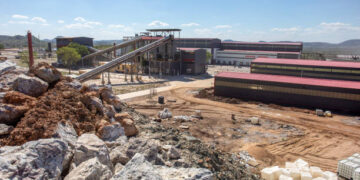
He said total mineral export earnings, including gold, reached about US$5.73 billion between January and June.
“Excluding gold and silver, mineral exports rose by 84.7% from US$1.37 billion in the corresponding period of 2025, a record performance. At this rate we expect to surpass both our 2026 targets and the US$8.6 billion recorded last year.”
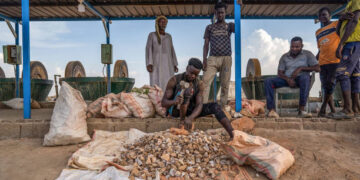
The Minister said Zimbabwe delivered 21.4 tonnes of gold during the first six months of the year. Of that total, 14.9 tonnes, or 70%, came from artisanal and small-scale miners.
“Our small-scale miners contributed 14.9 tonnes, or 70%, a community that sustains the livelihoods of well over one million Zimbabweans,” he said.
Despite the strong production figures, Kambamura acknowledged that several government processes remain behind schedule.
“Key policies remain unlaunched years after they were drafted. A backlog of title applications persists. Disputes remain outstanding in the provinces and appeals remain pending at my level.”
He said those issues had been discussed repeatedly without sufficient progress.
“These are not new observations, and that is precisely the problem. This workshop must convert observation into dated, assigned and measurable action.”
The three-day workshop is expected to identify implementation gaps, realign priorities and assign responsibilities for the remainder of 2026. Participants include officials from the Chamber of Mines of Zimbabwe, the Zimbabwe Miners Federation, Fidelity Gold Refinery, the Environmental Management Agency and other government institutions.
Kambamura said the Ministry expects every agreed action to have clear timelines and accountable officials so it can finish the year in line with its strategic objectives.