







- Rio Tinto and Glencore have ended merger talks after failing to agree on valuation.
- The deal would have created the world’s largest mining company.
- The collapse reflects caution in the mining sector as companies struggle to agree on prices.
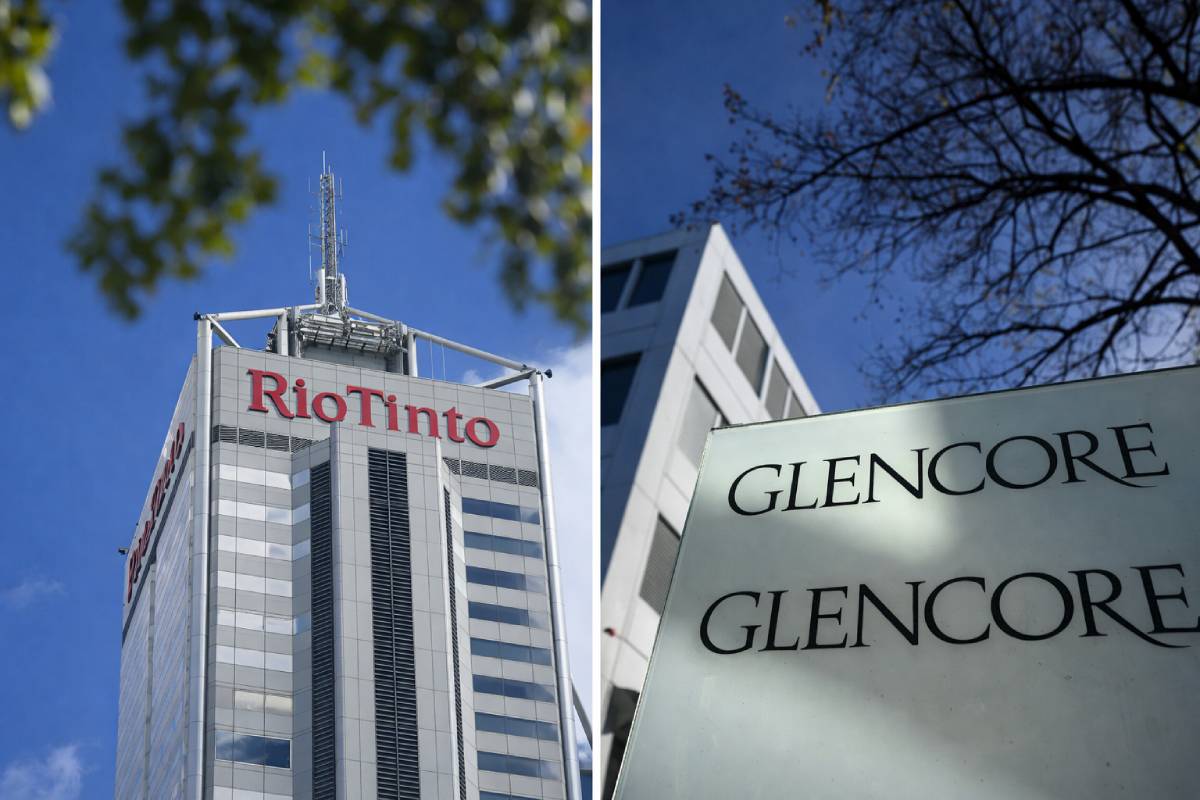
MINING giants Rio Tinto and Glencore have ended talks on a planned merger after failing to agree on how much the combined business was worth, the companies said on Thursday.
The collapse comes after negotiations that began in early January and follows earlier failed attempts to combine the two firms.
The deal, first disclosed last month, would have created the largest mining company in the world with a valuation of more than $200 billion. Rio Tinto said it would no longer pursue any combination with Glencore because it “did not reflect our view on long-term, through the cycle relative value”.
Glencore said Rio’s proposal would have “significantly undervalued” its contribution to a combined business, especially its copper and other key assets.
The two sides had repeatedly disagreed on valuation and governance. Analysts said Rio had sought control of the merged group with its chair and chief executive roles, while Glencore was pushing for a larger share for its shareholders.
Share prices for both companies reacted to the news. Glencore’s shares fell as much as 7% and Rio’s slid around 2–3% on the day, reflecting investor nerves about deal uncertainty.
Investors and analysts cited a cautious market for mining mergers, with companies under pressure to justify major transactions amid volatile commodity prices and financing costs. “Mega-mergers in mining remain complicated by culture, regulation and heightened geopolitical risks,” Jefferies analysts said in a report.
The breakdown comes just as the Investing in African Mining Indaba kicks off in Cape Town, where ministers, miners, and financiers gather to explore investment opportunities and partnerships across the continent. This event stands as one of Africa’s largest mining conferences, aimed at bolstering connections between governments and the industry.
Organisers have said that the theme for the 2026 Indaba, “Stronger together: Progress through partnerships,” is designed to encourage collaboration in building responsible and competitive mineral value chains throughout Africa.
Even with the recent failed deal, mining executives are still pursuing smaller transactions and partnerships, especially in the markets for metals like copper and cobalt, which are essential for electric vehicles and renewable energy.


