A total of 116 mining accidents have been reported in the country resulting in 156 lives lost and 23 serious injuries, with many more cases going unreported, Ministry of Mines and Mining Development Chief Government Mining Engineer Michael Munodawafa has said.
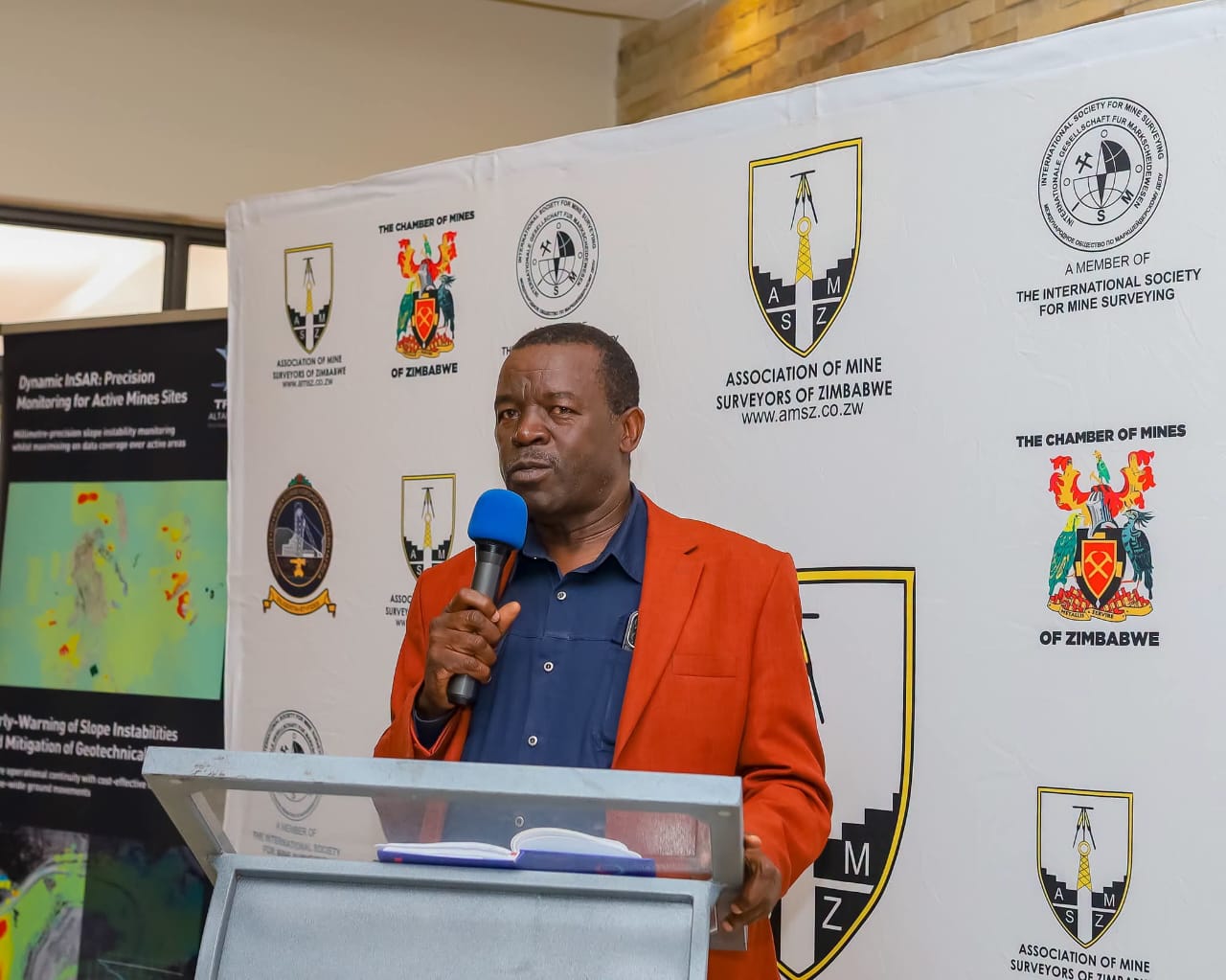
Speaking at the Mine Managers Bench Session 2, Munodawafa said the day marked the beginning of a long journey to confront what he described as an urgent crisis of mining accidents.
“Dear esteemed colleagues, today is a special day which will go into history, maybe the beginning of a long journey to take together. We gather today under the auspices of the mine managers bench session to confront an urgent crisis which is beset in mining accidents across our country,” he said.
“As the Chief Government Mining Engineer, I stand here before you not merely to deliver a regulatory briefing but to issue a clear policy directive on safety compliance,” Munodawafa said.
Giving statistics, he said the reported figures do not reflect the full extent of the crisis.
“A total of 116 mining accidents have been reported and out of those, 156 lives have been lost. 23 serious accidents have also been reported. If you look at our figures, it’s not all that has been reported that has happened. A lot is going unreported,” he said.
He warned that concealing accidents to mask non-compliance is a serious breach that endangers lives.
“This is a serious breach where people are hiding these cases or masking non-compliance or managing injuries under the guise of concern. Unreported accidents conceal the root cause, prevent the remedies and for sure, that same mistake will be repeated and we’ll lose another life,” Munodawafa said.
He said government’s position is non-negotiable and the current trajectory must be reversed.
“Government’s current assessment is simple and non-negotiable. That status quo is unnegotiable. That needs to be changed. The mining sector is in a dangerous operational climate where rapid growth and production targets are compromising fundamental safety standards. We are witnessing a breakdown in disciplined operational control and risk management,” he said.
“Today, we are outlining a clear policy path to end this trajectory. Our goal remains absolutely zero harm,” he added.
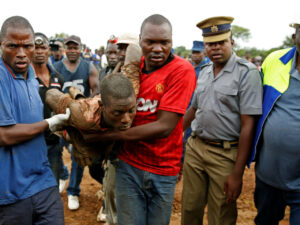
Munodawafa said government analysis has identified three primary categories of failure driving fatalities, with fall of ground and structural instability accounting for the majority of deaths.
“Number one, fall of grounds and structural instabilities. In underground operations, inadequate engineering control or ground control, delayed support installation, failure to conduct scaling operations remain leading causes of fall of ground incidents. Those fall of ground incidents have resulted in about 70% of our fatalities in incidents that have been reported,” he said.
“In surface and open pit mining, aggressive slope designs and failure to monitor wall movements under production cycles normally lead to collapse of those walls, whereas underground, we experience that when there’s no support as we advance in our production,” he said.
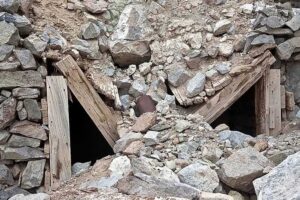
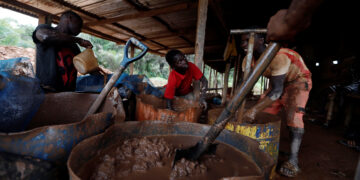
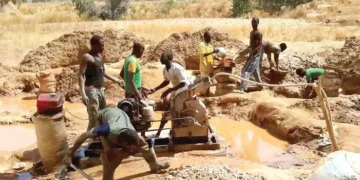
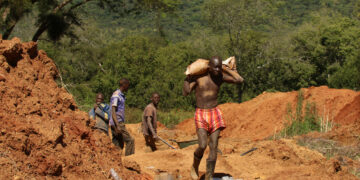
FILE PIC
He also cited machinery, material handling and isolation protocols as another major risk area.
“Moving equipment, conveyor systems, mobile machinery continue to claim lives due to broken lock-out procedures,” Munodawafa said.