- GoldBod orders mandatory local refining of artisanal gold dore from September 1.
- Self-financing aggregators must amend off-take agreements by August 31.
- Non-compliance could attract sanctions, including licence revocation.
- Ghana exported 104 metric tonnes of artisanal gold in 2025.
By ZiMining/Reuters
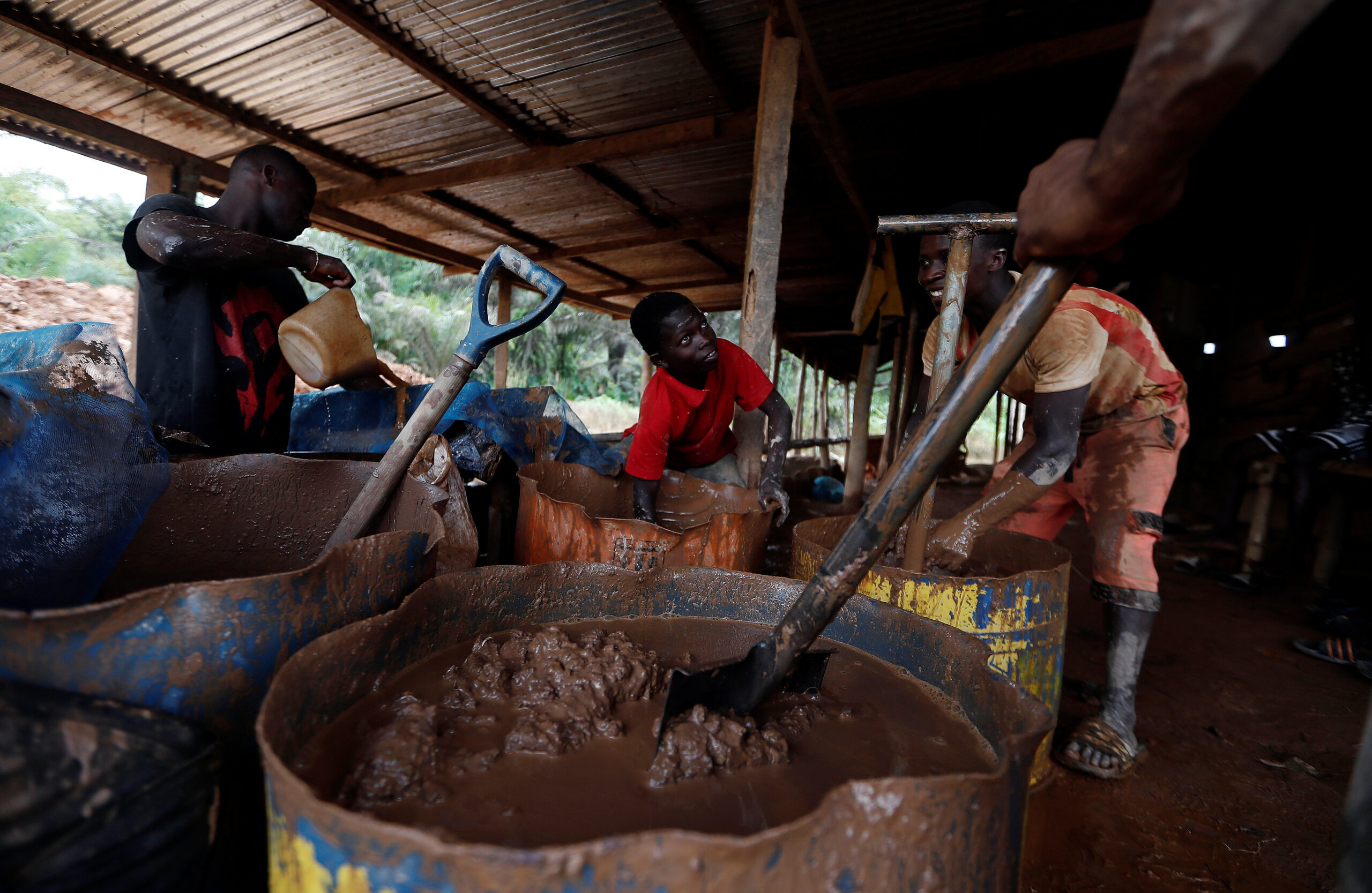
GHANA’S Gold Board (GoldBod) has ordered that all artisanal gold dore purchased by self-financing aggregators (SFAs) for export must be refined locally from September 1, effectively banning exports of unrefined dore under those arrangements.
The directive, issued on Monday, marks the latest step in GoldBod’s tightening grip on Ghana’s vast artisanal gold sector, mirroring a broader regional push to retain more value from mineral exports before they leave the continent.
Africa’s top gold producer created GoldBod last year as the sole authorised buyer and exporter of artisanal gold, a move that has helped boost output and foreign currency inflows. The board exported 104 metric tonnes of artisanal gold in 2025, up from about 63 metric tonnes in 2024, generating nearly $11 billion in foreign-exchange earnings.
Under the new rules, no gold dore purchased under arrangements with approved off-takers may be exported in unrefined form from September 1. All such gold must be refined at refineries approved or designated by the board before export applications are considered, GoldBod said.
Self-financing aggregators — licensed buyers that source gold using their own funds — have been instructed to amend existing off-take agreements with approved buyers by August 31 to incorporate the local refining requirement.
GoldBod said it would approve exports only after confirming that the gold had been refined in Ghana, refining charges had been settled and all assay, regulatory and export requirements had been met. Refinery costs will be borne by either the aggregator or the approved off-taker.
Failure to comply could attract sanctions, including licence revocation, GoldBod said.
The Ghana Chamber of Mines has welcomed the directive. CEO Ken Ashigbey said the local refining requirement would boost value retention within Ghana and strengthen the country’s position as a gold-processing hub, rather than merely a raw material exporter.
GoldBod is on track to match or exceed its 2025 export volume this year, as the board continues to tighten compliance and reduce smuggling through its 150-member taskforce.
The move aligns Ghana with other African gold producers, including Tanzania and Zimbabwe, which have introduced similar local beneficiation policies to capture more of the gold value chain domestically.
(c) Copyright Thomson Reuters 2026. Click For Restrictions