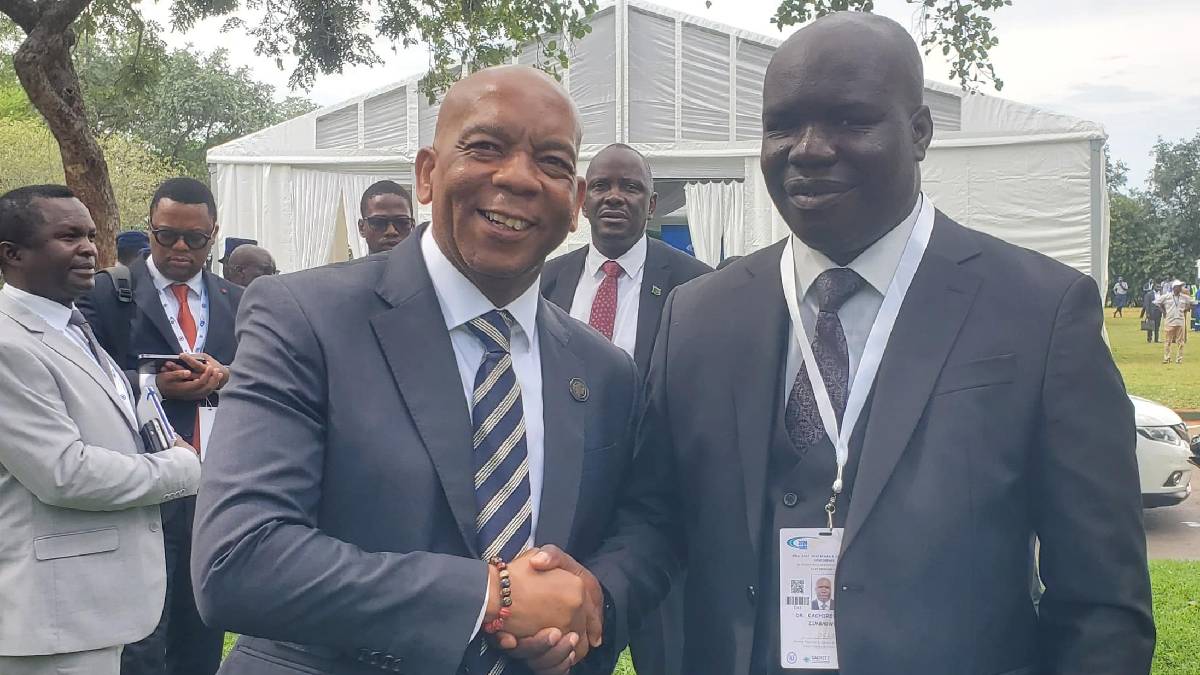
AFRICAN countries must use their own natural resources to produce energy and reduce dependence on imports, Zimbabwean engineer Dr. Edzai Kachirekwa said at the Africa Energy Indaba conference.
Kachirekwa leads Power Giants Southern & East Africa, an engineering and energy advisory firm operating across the region.
The Africa Energy Indaba 2026 took place from March 3 – March 5 at the Cape Town International Convention Centre in South Africa. The event was attended by governments, utilities, investors and energy experts to discuss the continent’s power needs.
The annual conference focuses on investment, energy security and infrastructure development across Africa.
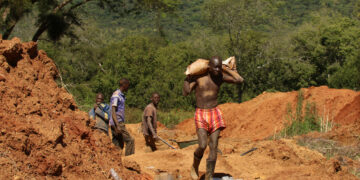
Kachirekwa told delegates that Africa has vast energy resources but often exports raw materials while importing finished goods.
“Africa cannot continue exporting stones, dust and raw minerals only to import finished products at higher costs,” he said.
He said the continent must build industries that process its own resources and generate energy locally.
“The dreams of our leaders must be matched by a new generation of African thinkers, engineers, scientists and innovators who believe in building Africa from within,” he said.
Africa has vast renewable energy potential. The International Renewable Energy Agency (IRENA) says the continent has some of the world’s best solar resources, as well as significant wind, hydro and geothermal capacity.
Yet millions still lack electricity. About 600 million people in Africa do not have access to power, according to the International Energy Agency (IEA).
Kachirekwa said Africa needs a balanced energy transition that combines different technologies.
“A stable grid operates at disciplined voltage and frequency,” he said.
“Likewise, a stable continent must operate through disciplined policies, coordinated investment and technical excellence.”
He said decentralised energy systems could help expand access to electricity in rural areas.
“A decentralised grid is not fragmented,” he said. “It is intelligently networked.”
Decentralised systems include mini-grids and solar systems that generate electricity close to where it is used. These systems can provide faster and cheaper access to power in remote areas.
Kachirekwa also called for stronger regional power cooperation.
He said countries should expand electricity trade through platforms such as the Southern African Power Pool, which allows utilities in southern Africa to buy and sell electricity across borders.
“When countries trade electricity, they trade resilience,” he said.
He also called for stronger policy frameworks and technical skills development.
“Governments must establish transparent regulations, bankable agreements and investment-friendly environments,” he said.
He said Africa must also train more engineers and energy specialists.
“Africa must invest in engineering education, technical training and research collaboration to build sustainable sovereignty,” he said.
Kachirekwa said Africa has the resources to produce its own power if they are used effectively.
“Africa’s future will not be switched on by chance,” he said.
“It will be engineered by vision, powered by partnership and sustained by disciplined leadership.”