- Villagers in Bikita have asked the environmental regulator to investigate water concerns linked to a lithium mine.
- The petition seeks compliance records and follows a past fine over an effluent spill, while the mine and water authority reject wrongdoing.
- The dispute comes as Zimbabwe expands lithium production and plans to push more local processing from 2027.
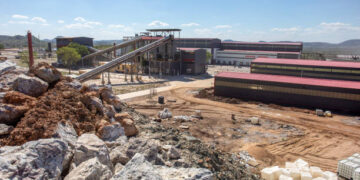
BIKITIA villagers in southern Zimbabwe are urging the country’s environmental regulator to release compliance records and look into alleged water pollution linked to lithium mining at Bikita Minerals, according to a community petition.
The Bikita Land Institute of Development (BILD) has submitted the petition to the Environmental Management Agency (EMA) on behalf of residents from Murape village in Ward 11. They are asking for environmental impact assessments and management plans related to the mine’s slime dam project.
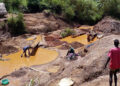
The petition claims that trenches left open during construction later filled with contaminated water, which then flowed into the Mungezi River, a vital water source for both households and livestock. “Slime dams, if not properly designed, constructed and managed, can pose significant environmental and health risks to surrounding communities,” the petition noted.
Milton Muusha, EMA’s Masvingo provincial head, mentioned that he hadn’t seen the petition yet. “I have been out of the office since last week, so I haven’t seen it,” Muusha explained.
Concerns about water use at Bikita Minerals have been around for a while. Investigative group Oxpeckers previously reported that EMA fined the company $5,000 after an effluent spill into Matezva dam, which serves irrigation schemes and nearby households.
Muusha mentioned that EMA instructed the mine to clean up the dam, and the company followed through. “Communities benefitting from the dam were notified of the spillage,” he said, adding that they set up a pre-treatment plant and an emergency holding pond.
Residents are expressing concerns about how the incident has affected their livelihoods. “The fish are no longer there,” said fisherman Farai Muchazaka, referring to Matezva dam, and lamenting that the income from fishing to cover school fees “is history now.”
The Zimbabwe National Water Authority (ZINWA) has dismissed claims that the mine is excessively drawing water from the dam.
“Allegations that Bikita Minerals is drawing large volumes of water from Matezva dam to the detriment of other water users are not true,” said Marjory Munyonga, a corporate officer at Zinwa.
Earlier this year, a former spokesperson for Bikita Minerals also refuted the community’s claims. “There is nothing like that. Please email your questions,” the spokesperson said.
This dispute arises as Zimbabwe’s lithium exports are on the rise amid fluctuating prices. According to Reuters, the country exported 1.128 million metric tons of spodumene concentrate in 2025, while export revenue remained relatively stable at around $514 million.
The government aims to increase local value addition and plans to ban lithium concentrate exports starting in 2027. Reuters has also reported that Chinese miner Zhejiang Huayou Cobalt intends to kick off lithium sulphate production in early 2026 at a new $400 million facility at its Arcadia mine near Harare.
Meanwhile, mining companies are stepping up their efforts to show better environmental oversight. The Initiative for Responsible Mining Assurance (IRMA) announced that Kamativi Mining Company, owned by China’s Yahua Group, has committed to an independent audit that will include confidential interviews with workers and local communities.