- Zimbabwe shipped more lithium ore in 2025, but export earnings stayed almost flat as prices were weak.
- Global lithium prices fell sharply in 2024–2025 after oversupply, then rebounded in early 2026.
- Zimbabwe plans to stop lithium concentrate exports from 2027 to push companies to process locally.
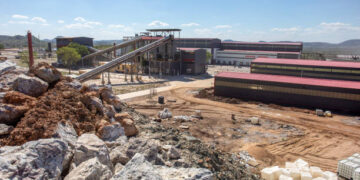
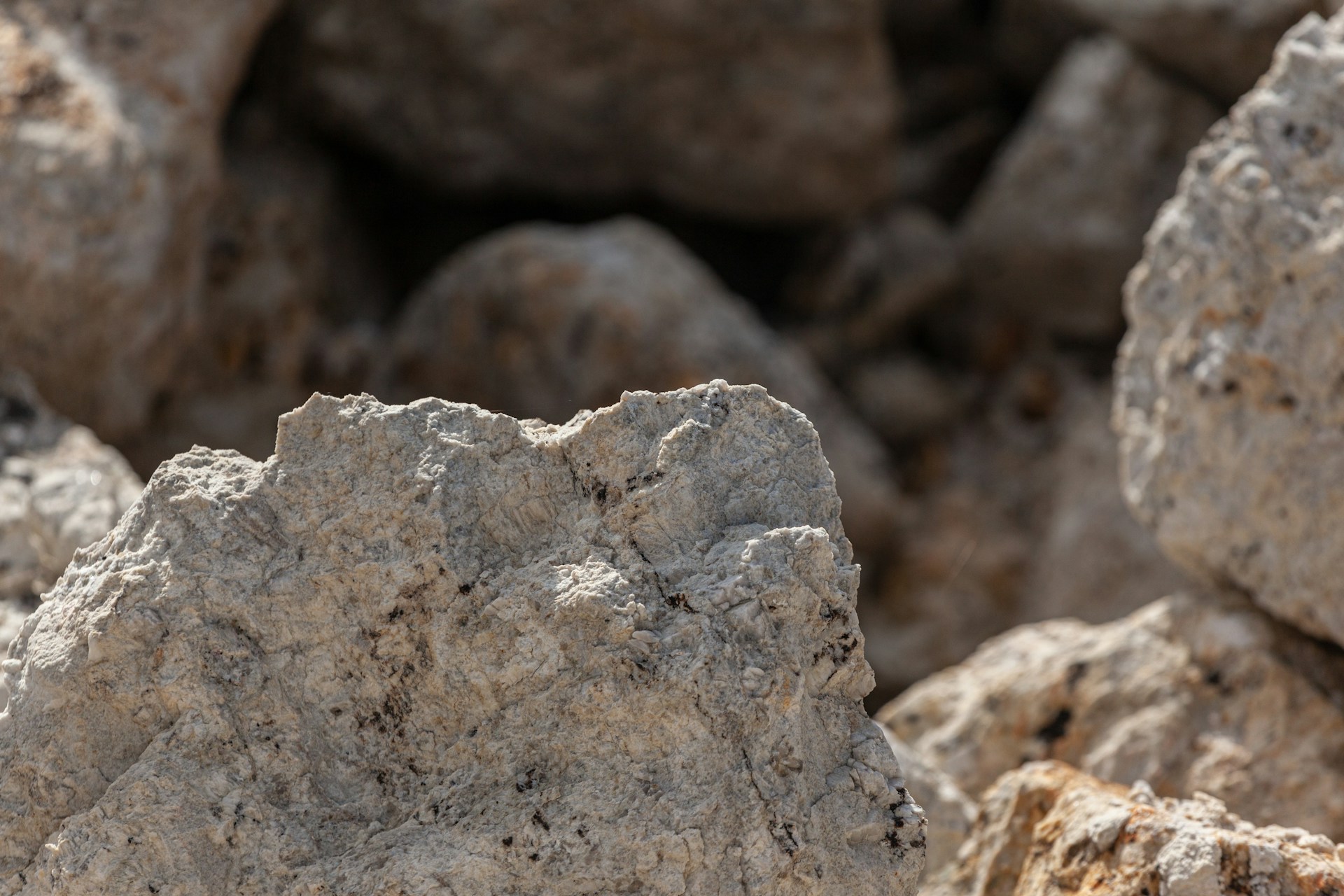
ZIMBABWE ramped up its exports of lithium-bearing spodumene concentrate in 2025, but the revenue from these exports barely budged compared to the previous year, largely due to sluggish global prices for the battery metal, according to official data released recently.
This as miners and investors converge in Cape Town this week for the Investing in African Mining Indaba, where they’ll delve into financing and pricing trends.
In the year leading up to December 2025, Zimbabwe exported 1.128 million metric tons of spodumene, a rise from 1.014 million in 2024, as reported by the state Minerals Marketing Corporation of Zimbabwe. Export earnings reached $513.8 million, slightly down from $514.5 million the year prior.
The lithium market has been under pressure from oversupply since late 2022, which has squeezed both prices and producer margins. Hard-rock spodumene prices dipped to around $610 a ton in mid-2025 but bounced back to over $2,000 a ton in early 2026, driven by renewed demand for batteries, especially due to reforms in China’s power sector, according to market data.
Zimbabwe, as Africa’s top lithium producer, has drawn considerable investment from Chinese companies like Zhejiang Huayou Cobalt, Sinomine, Chengxin Lithium Group, and Yahua. Most of the concentrate is sent to China for further processing.
President Emmerson Mnangagwa is advocating for increased local value addition to ensure that more economic benefits stay within the country. The government is planning to prohibit exports of lithium concentrates starting in 2027 to promote processing within Zimbabwe.
China’s Zhejiang Huayou Cobalt is ramping up its processing capacity with a new facility near Harare aimed at producing lithium sulphate, a crucial component for battery materials.
“We will start the first production from the beginning of next year,” said Henry Zhu, general manager of Prospect Lithium Zimbabwe, in October, adding that production could surpass 60,000 metric tons depending on how the plant is configured.
Local refiners and the government are optimistic that enhancing processing capabilities will enable Zimbabwe to capture more value as lithium emerges as a vital export alongside gold, platinum group metals, ferrochrome, and chrome.