- More than 200 people died after tunnels collapsed at a coltan mine in eastern Congo during heavy rains.
- Women, children and artisanal miners were among those caught in the landslide at the rebel-held site.
- Survivors are being treated in hospital as questions grow over safety and illegal mining in the area.
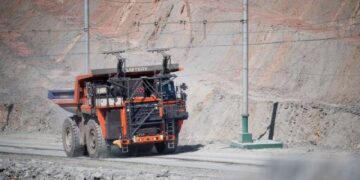
AT LEAST 200 people have lost their lives following a landslide that caused the collapse of several hand-dug tunnels at the Rubaya coltan mine in eastern Democratic Republic of Congo (DRC), according to local rebel authorities.
The tragedy occurred on 28 January, during heavy seasonal rains that compromised the already fragile ground, officials reported.
Rubava mine is located in the Masisi territory of North Kivu province, approximately 40 to 50 kilometres west of Goma, a regional hub near the Rwandan border.
Lumumba Kambere Muyisa, spokesperson for the rebel-appointed governor, stated that among the victims were miners, women, and children. “More than 200 people were victims of this landslide,” he told Reuters, adding that around 20 injured miners are currently receiving treatment at local health facilities.
A provincial adviser, who wished to remain anonymous, indicated that the confirmed death toll stands at a minimum of 227, although rescuers have yet to recover all bodies trapped in the mud.
Survivors and families are grieving in and around Rubaya. One survivor shared with The Associated Press that many workers consider the hazardous conditions a part of their daily lives because of economic necessity, despite previous collapses at similar sites.
Rescue operations have been complicated by unstable terrain, mud, and poor communication in the remote area, observers noted. Some injured miners are being transferred from local clinics to facilities in Goma for more comprehensive care.
The M23 rebel group has controlled the site since May 2024, imposing taxes on coltan operations that have reportedly generated substantial revenue, according to United Nations experts and local sources.
The Congolese government has accused M23 and neighbouring Rwanda of engaging in unsafe and illegal exploitation of mineral resources. However, Kigali denies any military support to the rebels or involvement in mineral trafficking.
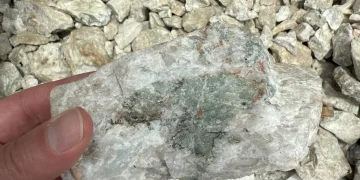
Coltan from Rubaya represents a significant portion of the global tantalum supply, which is essential for capacitors used in smartphones, computers, and aerospace components, according to industry data.