- Report says most lithium value is realised outside Zimbabwe.
- Researchers urge faster beneficiation and market diversification.
- Chinese investment has driven sector growth but raised concerns.
- Lower lithium prices have slowed activity at some projects.
ZIMBABWE is capturing only a small share of the value generated by its lithium industry because most exports leave the country before reaching higher-value processing stages, according to a report released by the Zimbabwe Environmental Law Organisation (ZELO).
The study, published in November, examined the lithium supply chain from mine sites to export markets and concluded that the country’s biggest challenge is no longer attracting mining investment but converting mineral production into broader economic benefits.
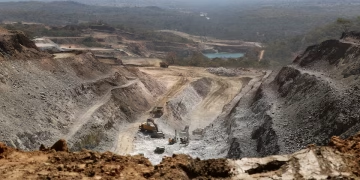
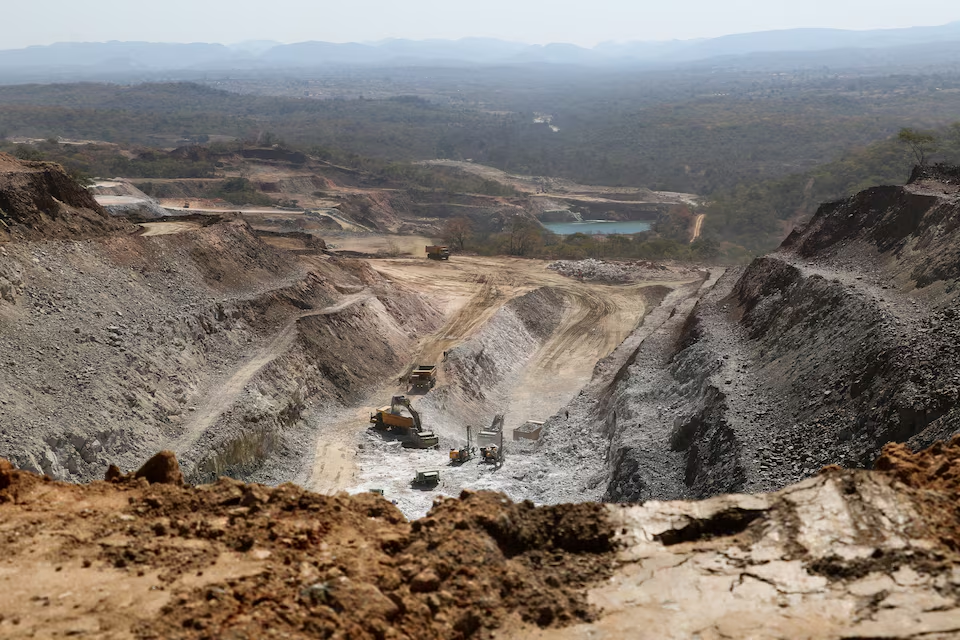
Zimbabwe has emerged as one of Africa’s leading lithium producers, attracting investment from Chinese, Australian and British companies as demand for battery minerals grew. By early 2023, the country had more than nine operating lithium mines, 17 approved processing plants and dozens of investment applications, the report said.
But ZELO argued that most of the value associated with lithium continues to be realised outside the country.
According to the report, lithium concentrate containing between 4% and 5.5% lithium oxide typically sells for between US$300 and US$600 per tonne, while refined products such as lithium hydroxide and lithium carbonate can fetch more than US$26,000 per tonne.
“This vast value differential highlights the urgent need for value addition and beneficiation,” the report said.
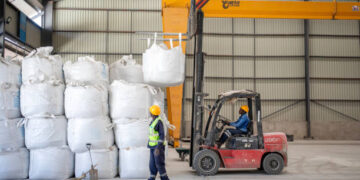
The findings come as policymakers push for greater local processing of battery minerals. Several producers are building lithium sulphate plants ahead of a planned ban on lithium concentrate exports from January 2027, part of a broader strategy to capture more value from mineral production.
The report was based on more than a year of field research conducted between 2024 and 2025. Researchers visited lithium-producing districts including Goromonzi, Mutoko, Bikita, Kamativi, Mberengwa, Buhera and Gwanda, and interviewed miners, transporters, local authorities, border officials and mining companies.
Researchers found that the rapid expansion of the industry has been driven largely by foreign investment, particularly from China.
Chinese companies have helped revive lithium mining projects and finance new processing facilities, turning the country into one of Africa’s fastest-growing sources of battery minerals. Major investments have been made at Arcadia, Bikita, Sabi Star and Kamativi.
At the same time, ZELO said field interviews raised concerns about labour practices, environmental compliance and the concentration of investment from a single source.
The report said some operators cited policy uncertainty, power shortages, water constraints and rising business costs as factors affecting investment decisions.
Researchers also found that the sharp decline in global lithium prices had slowed activity at several projects. Site visits conducted in 2024 and early 2025 found that some producers had scaled back operations, reduced contractor activity and cut jobs.
Industry participants argue that investment in processing is already under way, although lower lithium prices and infrastructure constraints have complicated expansion plans. Global lithium prices have fallen sharply from record highs reached during the battery minerals boom, putting pressure on producers worldwide.
The report warned that heavy dependence on a single export destination and a limited number of investors could leave the industry exposed to shifts in global demand and investment flows.
It recommended expanding export markets, attracting investment from a wider range of countries and accelerating the development of domestic processing capacity.
ZELO also urged stronger environmental, social and governance standards, arguing that long-term competitiveness would depend not only on increasing production but also on responsible mining practices.
Zimbabwe’s lithium sector generated about US$571.6 million from sales of more than 1.5 million tonnes of lithium products in 2025, according to industry data, underscoring the growing economic importance of the mineral despite weaker prices.
“Building investor and community confidence is critical to achieving a resilient and inclusive lithium value chain,” the report said.