- Congo to halt all cobalt exports from Nov 30
- Review due after four months
- Cobalt hydroxide nearly halved from April peak
- Chinese cobalt futures hit daily limit
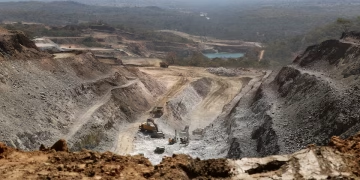
THE DEMOCRATIC Republic of Congo will suspend all cobalt exports from Nov 30 until further notice, its strategic minerals regulator said, imposing a second blanket ban in less than two years in an effort to halt a slide in prices.
The suspension covers cobalt from both industrial and artisanal mines.
The regulator, ARECOMS, said on Monday the pause was meant to “address the oversupply in the international market”. It will review the measure after four months and use the time to adjust its quota allocation system. It cited a sustained fall in prices since June, slowing consumption, rising inventories and speculation in the market.
Exporters have until Nov 29 to ship volumes scheduled for this month, and unshipped quota will not carry over, Ecofin Agency reported. Export rights granted for 2026 and 2027 will not guarantee equivalent allocations when shipments resume.
Congo first banned cobalt exports in February 2025 and replaced the ban with quotas in October 2025, setting a 2026 ceiling of 96,600 tonnes. Prices of cobalt hydroxide, its main export product, more than quadrupled before almost halving from an April peak, according to Fastmarkets data.
Congo shipped 61,441 tonnes of cobalt in the first nine months of the year, against more than 145,000 tonnes in the same period of 2024. It supplied about three-quarters of the world’s mined cobalt before the restrictions.
Chinese cobalt futures hit a three-month high on Tuesday, with several contracts reaching their daily trading limit. Shares in Chinese refiners also rose, with Ganzhou Teng Yuan Cobalt closing up 14% and Zhejiang Huayou Cobalt up 5.7%, while CMOC, the world’s biggest cobalt producer, fell 3.6%.
CMOC produced 99,694 tonnes of cobalt in the first nine months of 2026 but sold only 12,661 tonnes, The Northern Miner reported. Glencore’s cobalt output fell by more than half as it left cobalt in solution at its Congolese mines instead of processing it into hydroxide. CMOC, Glencore and Eurasian Resources Group hold the largest export quotas.
Indonesia, the second-largest producer, could benefit from tighter Congolese supply. Chinese price provider SunSirs said the quotas had not controlled prices because of by-product supply from Indonesia, recycled cobalt and weaker demand.
The ban follows an August decision to prohibit exports of copper and cobalt concentrates, as Kinshasa seeks to keep more value at home. African governments are increasingly restricting exports of raw minerals. Zimbabwe suspended raw mineral exports in February.