- Namib pours first gold at Redwing
- Feasibility study due in first quarter of 2027
- $300-$400 million restart estimate not yet validated
- Redwing not expected to add materially in 2026
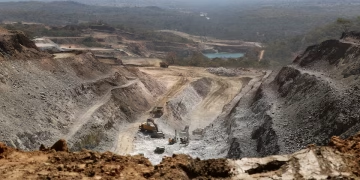
NAMIB Minerals has poured the first gold at its Redwing mine in eastern Zimbabwe, returning the century-old operation to production seven years after its previous owner mothballed it.
The Nasdaq-listed company said the pour met its November target, following an accelerated restart that included rehabilitating and recommissioning key mine infrastructure and processing facilities. Grid power was restored in June, and dewatering finished ahead of schedule in September.
“First gold is the beginning of the next phase, not the end of the job,” CEO Tulani Sikwila said.
The company expects a staged ramp-up. The pour does not replace its definitive feasibility study, which is fully funded and due in the first quarter of 2027. A higher-capacity winder is expected by the end of that quarter.
Namib has described a preliminary estimate of $300 million to $400 million for restarting Redwing and Mazowe, mostly for Redwing. It said the figure remains subject to validation and would not be spent upfront. Namib has expanded credit facilities with Ecobank and BancABC.
The company’s long-term ambition of about 300,000 ounces a year is a combined figure across its mines and is not production guidance.
Namib’s only producing mine until now has been How Mine in Bulawayo. It produced about 25,000 ounces in 2025 and generated $82.6 million in revenue. In its half-year results, Namib cut 2026 production guidance to 26,500 to 27,000 ounces because of the timing of a mill expansion, and said the Redwing restart would not contribute materially to this year’s output.
The restart comes as Zimbabwe restricts foreign ownership of gold mines producing under 20 kg a month. Namib told analysts that How Mine meets the policy’s thresholds while Redwing and Mazowe, which are on care and maintenance, do not.
Mines Minister Polite Kambamura has said gold deliveries are projected to reach a record 50 tonnes in 2026. Zimbabwe produced a record 46.7 tonnes in 2025.