- Zimbabwe earned about $5.73 billion from mineral exports in H1 2026.
- Excluding gold and silver, exports grew 84.7% year-on-year.
- Artisanal and small-scale miners supplied nearly 70% of gold delivered to the refinery.
- Government is doubling down on beneficiation, restricting raw ore and mineral exports.
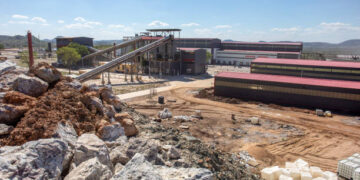
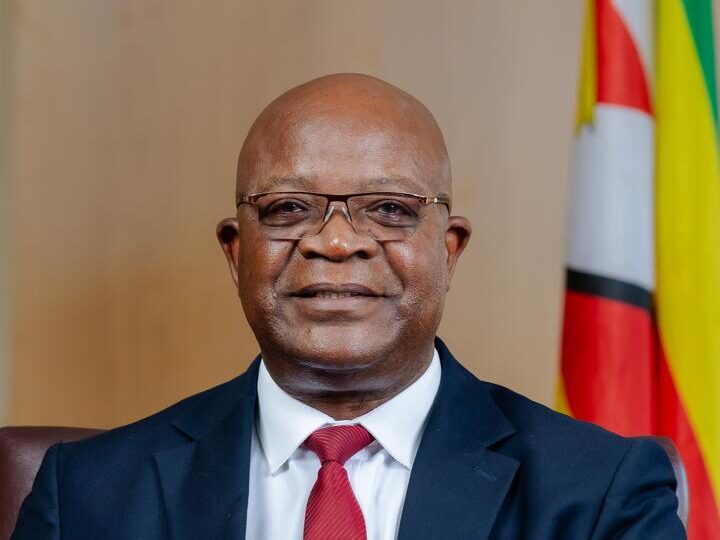
ZIMBABWE earned about $5.73 billion from mineral exports in the first half of 2026, and is pushing investors to process more of that output locally rather than ship out raw ore, Deputy Minister of Mines and Mining Development Caleb Makwiranzou said on Thursday.
Makwiranzou was speaking at a Zimbabwe investment session held on the sidelines of Africa Down Under, the 24th edition of the largest Africa-focused mining conference held outside the continent, running this week in Perth.
Gold made up about $3.2 billion of Zimbabwe’s export total, with other minerals contributing roughly $2.53 billion, Makwiranzou said. Excluding gold and silver, mineral exports grew 84.7% from a year earlier. At current rates, he said, the country expects to beat both its 2026 target and the $8.6 billion it earned in 2025.
Small-scale and artisanal producers supplied 14.9 of the 21.7 tonnes of gold delivered to the national refinery in the first half, close to 70% of the total. “That sector sustains the livelihoods of well over 1.5 million Zimbabweans,” Makwiranzou said, adding that formalising and financing it remains a ministry priority.
He said Zimbabwe will not build its future on unprocessed ore exports, pointing to a February measure restricting exports of unbeneficiated minerals, alongside existing curbs on raw lithium, tungsten and antimony. “We are moving away from exporting high mineral volumes of low value, to exporting small mineral volumes of high value,” he said.
Makwiranzou pointed to early results: a new steel complex at Manhize, the country’s first locally produced lithium sulphate exported from Arcadia in April, further lithium plants under construction at Kamativi and Sinomine Bikita, and a special mining lease signed for the roughly $545 million Karo platinum project.
He also cited regulatory changes meant to reassure investors, including amendments to the Mines and Minerals Act to strengthen tenure security, faster permitting through the Zimbabwe Investment and Development Agency, and a new electronic cadastre system.
Courting his Perth audience directly, Makwiranzou urged investors to judge Zimbabwe on its track record rather than promises. “Capital does not return to a jurisdiction that has mistreated it,” he said. “Zimbabwe is open. Zimbabwe is ready. Zimbabwe is bankable.”