For decades, Zimbabwe has imported almost all of its fuel. Now, a single well in the remote Cabora Bassa Basin could begin to change that story.
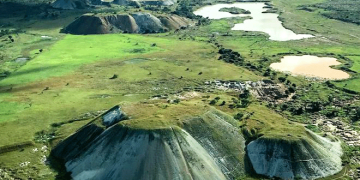
Preparations are underway for the drilling of Musuma-1, a new exploration well that Government and investors say could unlock Zimbabwe’s oil and gas potential — and with it, a new energy future for the country.
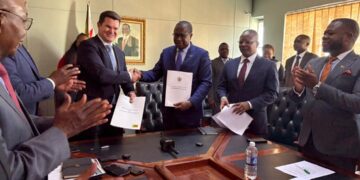
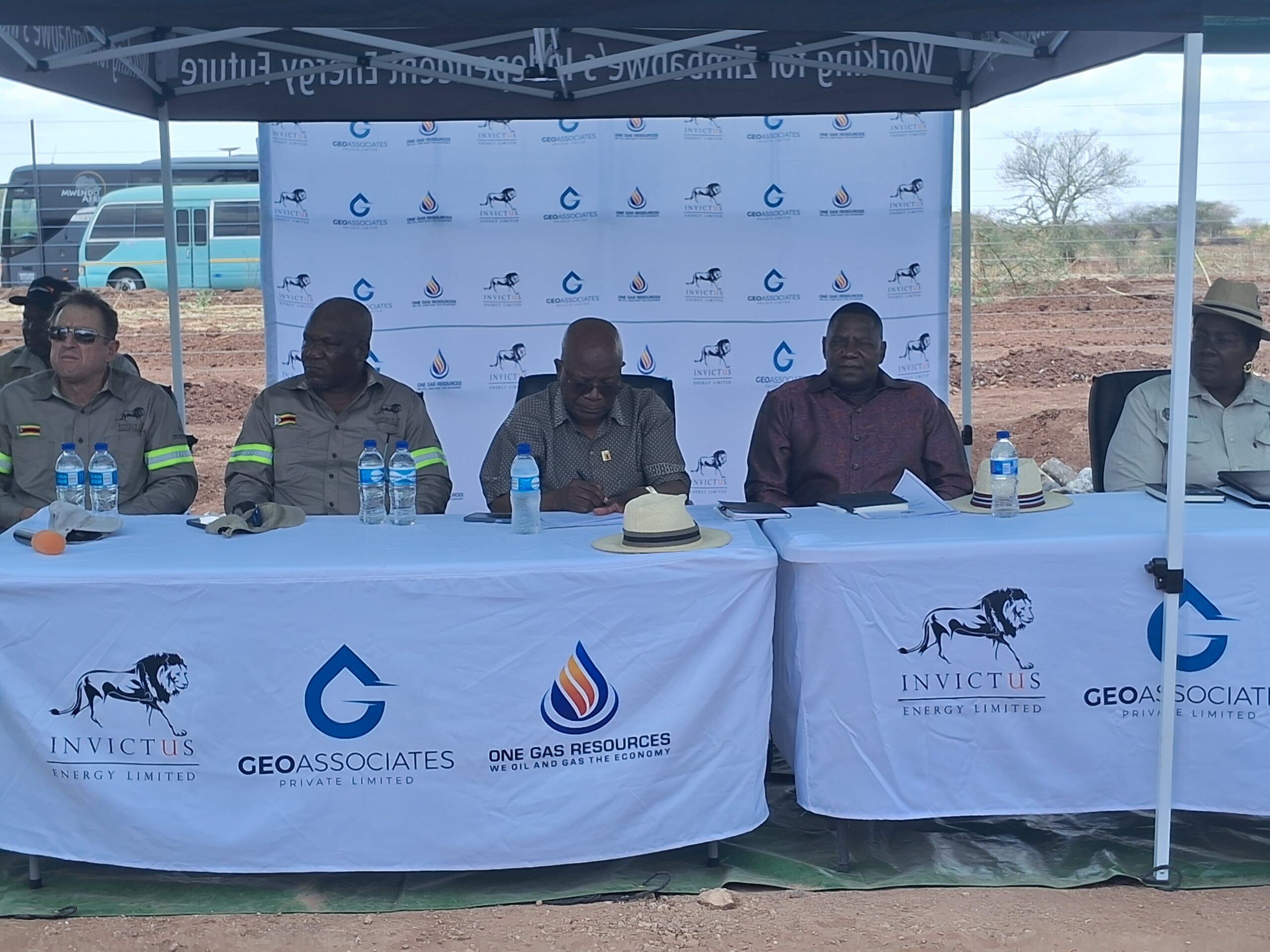
Speaking at a ceremony in Musuma, Muzarabani District in Mashonaland Central Province, Mines and Mining Development Deputy Minister Dr. Eng. Caleb Makwiranzou said Musuma-1 is not just another well. It is a test of a new exploration play that could reshape how Zimbabwe powers its industries, homes and economy.
“This is a demonstration of confidence in Zimbabwe’s investment environment, confidence in the geological potential of our country and confidence in the partnership that Government has forged with investors who share our vision of unlocking new opportunities for economic growth and national development,” said Dr. Makwiranzou.
Zimbabwe currently depends heavily on imported fuel, a burden that drains foreign currency, pushes up transport and production costs, and leaves the economy exposed to global price shocks.
Domestic oil and gas production, Dr. Makwiranzou said, could change that equation — strengthening energy security, supporting industrialisation, creating employment, reducing dependence on imports, generating fiscal revenues and contributing to broad-based economic development.
That is why Musuma-1 matters. It is more than a technical drilling exercise. It is an important test of a new exploration play and a further step towards unlocking the full hydrocarbon potential of the Cabora Bassa Basin. Its results will help guide future investment decisions in the sector.
Musuma-1 does not start from zero.
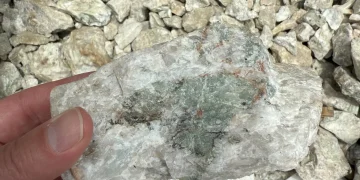
Dr. Makwiranzou said two extensive seismic campaigns have been completed, and the drilling of Mukuyu-1 and Mukuyu-2 provided critical geological information which culminated in the Mukuyu gas-condensate discovery.
“These achievements have significantly enhanced our understanding of the basin and laid the foundation for the next important step which is the drilling of Musuma-1,” he said.
Through Special Grant 4571 and Exclusive Prospecting Orders 1848 and 1849, Government has facilitated exploration activities covering approximately 360,000 hectares within the basin.
Invictus has deployed international expertise, technology and equipment to support the programme, including the use of Exalo Drilling’s Rig 202 and the participation of leading oilfield service providers.
Dr. Makwiranzou said the Second Republic, under the leadership of President Dr. Emmerson Dambudzo Mnangagwa, has consistently championed policies that encourage investment, resource development and economic transformation — with oil and gas as a strategic pillar.
He said Government remains committed to creating an enabling environment through transparent regulation, policy consistency and constructive engagement with industry players.
A key milestone was the signing of the Petroleum Production Sharing Agreement, which established a clear legal, fiscal and operational framework that provides certainty to investors while ensuring Zimbabwe derives value from its petroleum resources.
Government has also granted National Project Status to the development, reflecting the strategic importance attached to petroleum exploration, while the award of Special Economic Zone status underscores Government’s commitment to supporting investments with potential to transform the economy, create employment and stimulate industrial development.
“These interventions are intended to ensure that investors operate within a conducive environment while accelerating the realization of benefits for the country and its citizens,” he said.
If Musuma-1 succeeds, the benefits will not be confined to the well site.
Deputy Minister Makwiranzou pointed to opportunities already being created for Zimbabweans through employment, skills development and local business participation, as well as the transfer of technical knowledge to Zimbabwean professionals and growing involvement of local suppliers — foundations for a sustainable petroleum industry.
He also commended continued investment in community development in the project area, including support for water supply infrastructure, healthcare facilities, educational institutions, road maintenance and programmes that uplift vulnerable members of society.
“Such initiatives demonstrate that responsible resource development must go hand in hand with community empowerment and social development,” he said.
For Musuma, and for Zimbabwe, the drilling of Musuma-1 is a defining moment — a moment where geology, investment and national ambition meet.
“As preparations give way to drilling operations, let us remain guided by professionalism, safety, environmental responsibility and a shared commitment to success,” said Dr. Makwiranzou.
“May this programme proceed safely, efficiently and successfully, and may it bring us one step closer to unlocking the full potential of Zimbabwe’s petroleum resources for the benefit of present and future generations.”
Whether Musuma-1 becomes a discovery well or a stepping stone to the next one, it has already put Zimbabwe firmly on the map as an emerging frontier for oil and gas — and opened a conversation about a future where the country powers itself.