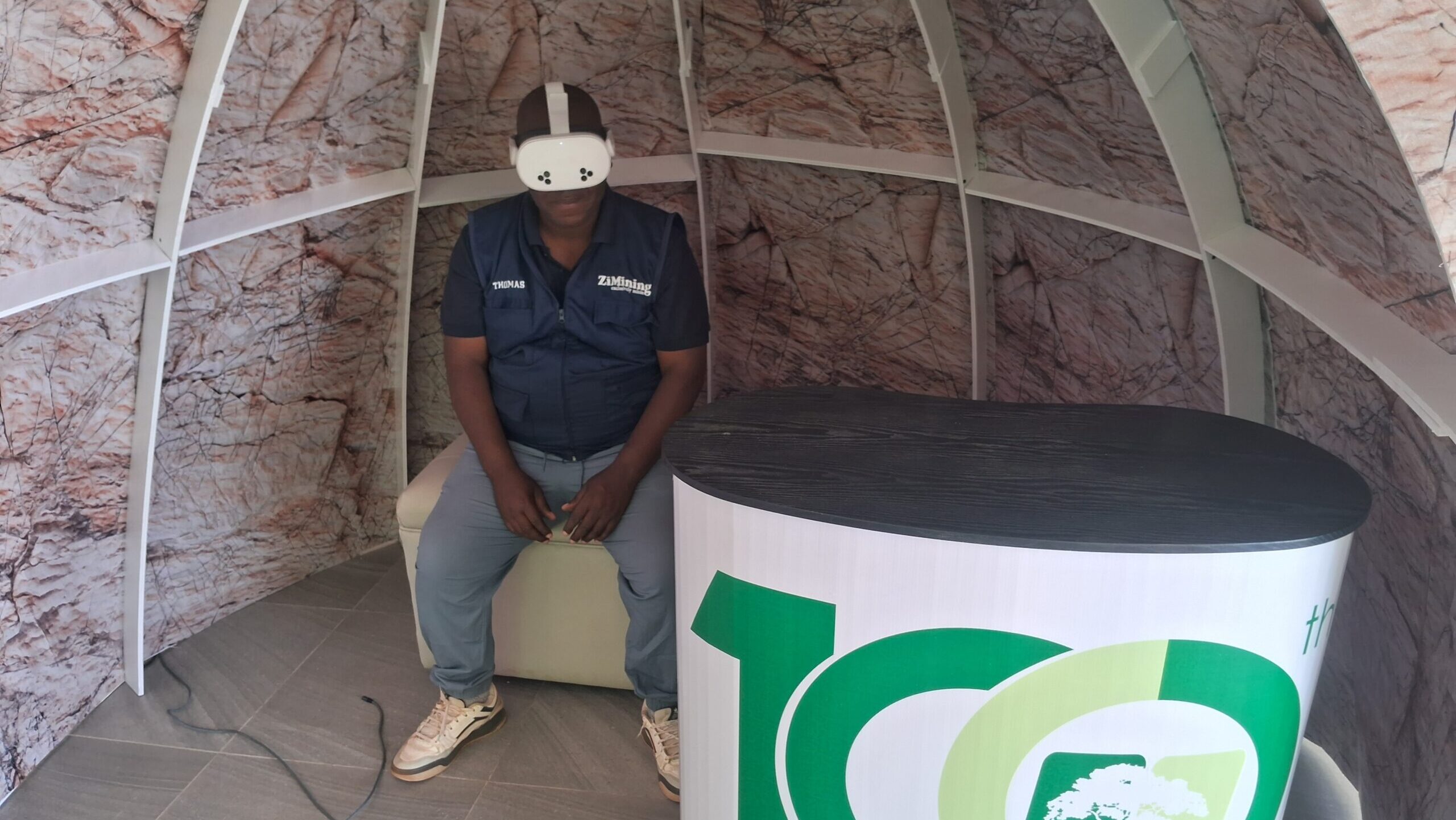
- Mimosa Mine used VR headsets to show the public its underground platinum operations.
- Underground workings span nearly 20 square kilometres, 200 metres below surface.
- Miners work full 10-hour shifts underground without access to sunlight.
- Mimosa says footage is used for both staff training and public outreach.
AMID the tractors, seed company banners and the smell of braai smoke at the Zimbabwe Agricultural Show 2026, the Mimosa Mine stand offered something quieter.
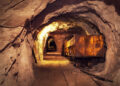
A MetaQuest headset dropped visitors 200 metres underground and into nearly 20 square kilometres of platinum tunnels, without them leaving Harare.
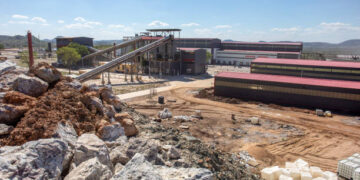
Mimosa is one of Zimbabwe’s largest platinum producers.
It mines the Great Dyke, a mineral belt running the length of the country that holds one of the world’s largest platinum group metal deposits.
The deposit is second in size only to South Africa’s, according to a Mimosa Mine official who stood by a model of the operation at the stand, tracing a finger over its grid.
“This is us,” the official said. “Platinum. Zimbabwe has one of the largest deposits in the world, second only to South Africa.”
The scale is what tends to stop visitors, mine staff said.
“The underground workings are up to 20 square kilometres,” the official said.
A colleague put the tunnel network at “more than 19 square kilometres,” an area bigger than many suburbs.
Below surface, miners work full 10-hour shifts roughly 200 metres down, without access to sunlight for the duration.
The VR footage was filmed underground and runs up to an hour in full.
It begins at the shaft collar. The light from the surface narrows to a coin, then a pinprick, then disappears.
The audio, recorded live underground, carries the hum of mine cages, distant clatter and voices crossing on radios.
“Let’s take you in,” an official said, handing over the headset. “You can’t take everyone to Zvishavane. But we can bring Zvishavane to you.”
The descent shows bands of rock passing along the shaft walls, bolts and mesh, water stains built up over years.
At the bottom, the tunnel network opens into intersections and signage.
Vehicles move through the dark, visible only by their headlights.
“This is more than a suburb,” the guide said. “People spend their whole working lives here.”
Further into the footage, drilling rigs work the rock face while hydraulic supports hold tonnes of earth overhead.
“Face preparation,” an official said. “We support the ground as we go.”
The recorded sound of rock and machinery, and miners talking over the noise, gives the sequence a lived-in, ordinary-yet-hazardous quality.
Mine staff said that effect is deliberate: visitors are meant to sense the working conditions, not just see them.
The tour ends at the processing stage, where the platinum is separated out mechanically.
The metal is present in the ore in near-microscopic quantities.
“The platinum is fine,” the guide said. “Almost microscopic. Anything that can crash, it crashes. It does separation. You don’t have to spray it.”
He was describing the crushers, mills and concentrators used in processing, with dust and water managed throughout.
Mimosa said it built the VR experience for both staff training and public outreach.
The company argues the footage is the closest most people will get to understanding how the metal reaches the surface.
“Because you can’t take everyone underground,” one official said, “but people need to see what it takes.”